Global Law Enforcement Disrupts Notorious Russian Ransomware Operation Behind BlackSuit and Royal Malware

In a major coordinated international crackdown, the United States Department of Justice announced on Monday that federal authorities have successfully seized the underlying servers and $1 million in Bitcoin belonging to a prolific Russian cybercriminal gang responsible for the deployment of the BlackSuit and Royal ransomware strains.
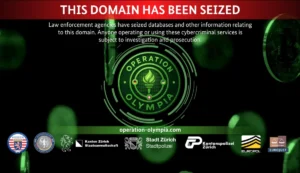
According to official press releases issued by participating government bodies, the operation was executed on July 24 by a broad coalition of global law enforcement agencies. Authorities from the United States, Canada, Germany, Ireland, France, the United Kingdom, and several other nations collaborated to dismantle the digital infrastructure of the threat actors, seizing a total of four servers and nine domains. Alongside the infrastructure takedown, law enforcement successfully recovered approximately $1 million in cryptocurrency, which had been frozen in a digital currency exchange account since January of last year.
The joint law enforcement effort specifically targets BlackSuit and Royal, two distinct yet closely related variants of ransomware that investigators believe were engineered and operated by the same syndicate of Russian-based cybercriminals. Over the past several years, this malicious group has emerged as a premier threat to global cybersecurity, focusing a significant portion of its destructive operations on critical infrastructure targets located within the United States and international partner nations.
The scope and financial ambition of the gang have been highlighted in previous government alerts. In a joint cybersecurity advisory published last year, the U.S. Cybersecurity and Infrastructure Security Agency warned that actors utilizing the BlackSuit ransomware variant had collectively demanded more than $500 million in total ransom payments from their corporate and institutional victims. The advisory noted that the largest single ransom demand issued by the group reached an astonishing $60 million, illustrating the immense pressure the gang placed on compromised organizations.
Law enforcement officials have repeatedly emphasized the severe societal risks posed by the syndicate’s activities. In the Department of Justice’s announcement, Assistant Attorney General for National Security John A. Eisenberg underscored the direct danger the threat actors presented to the American populace. He stated that the BlackSuit ransomware gang’s persistent and aggressive targeting of U.S. critical infrastructure represents a serious threat to public safety, justifying the extensive multi-agency international operation required to dismantle their operational backend.
The investigation into the collective was spearheaded by U.S. Immigration and Customs Enforcement’s Homeland Security Investigations. According to detailed findings released by ICE, the combined operations of the Royal and BlackSuit ransomware variants have successfully compromised more than 450 distinct victim entities across the United States alone. The attackers cast a wide net across essential societal pillars, infiltrating organizations operating within the healthcare, education, public safety, energy, and government sectors.
The operational model of these cybercriminals yielded staggering financial returns before law enforcement intervention. Since the beginning of 2022, the gang has amassed more than $370 million in verified ransom payments extracted from panicked organizations desperate to recover encrypted data and restore paralyzed operations. The seizure of the $1 million in Bitcoin represents a tangible, albeit partial, financial recovery from the hundreds of millions extorted by the syndicate over the years. Investigators noted that the recovered cryptocurrency funds had been secured following the freezing of a digital currency exchange account early last year, allowing authorities to eventually claw back the assets as part of the broader legal and technical disruption effort.
The synchronized takedown underscores a growing trend among global law enforcement agencies to move beyond mere defensive measures and advisory warnings, opting instead for proactive, offensive actions against the digital infrastructure that underpins the modern ransomware economy. By cutting off access to servers, seizing domains, and targeting illicitly gained cryptocurrency assets, international authorities aim to degrade the operational capabilities of high-impact cybercriminal organizations and deter future attacks against critical global sectors.

Related News