Federal Trade Commission Warns of Near-Tenfold Increase in Bitcoin ATM Fraud as Losses Exceed $66 Million in Early 2024
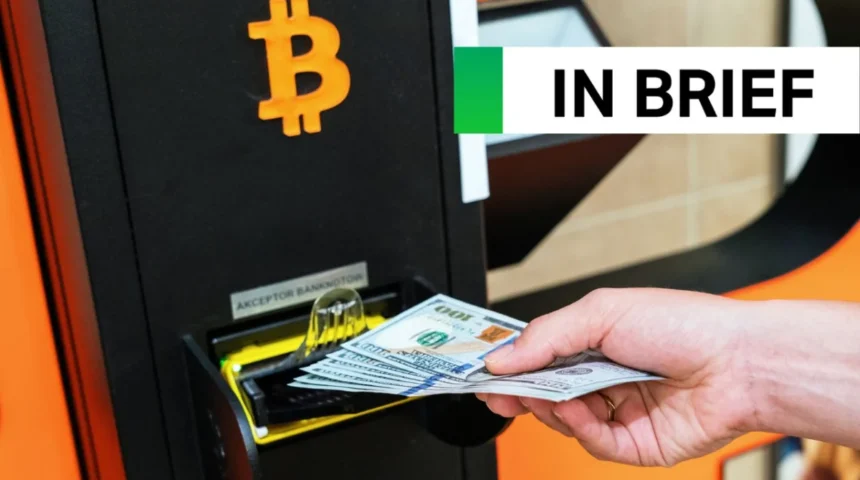
WASHINGTON — In a stark warning regarding the rapidly evolving landscape of financial crime, the Federal Trade Commission (FTC) has published a comprehensive new report detailing a staggering surge in fraud centered around cryptocurrency ATMs. These specialized kiosks, which allow individuals to convert physical cash into digital currency, have increasingly been hijacked by malicious actors to perpetrate sophisticated scams targeting everyday consumers across the United States.
According to the data released by the federal regulatory agency, financial losses tied directly to bitcoin ATMs have ballooned nearly tenfold since 2020. The trajectory of these crimes highlights an alarming acceleration in criminal activity, culminating in massive financial damages for victims nationwide. In the first half of 2024 alone, consumer reports filed with the FTC reveal that individuals have lost more than $66 million to these specific types of kiosk-based cryptocurrency scams.
The report underscores how traditional financial fraud mechanisms have successfully migrated into the digital asset ecosystem. Bitcoin ATMs, often found in convenience stores, gas stations, and grocery stores, were originally conceived as a convenient way for tech-savvy individuals or the unbanked to purchase digital assets. However, their anonymity, speed of transaction, and the largely irreversible nature of cryptocurrency transfers have made them an ideal vehicle for fraudsters looking to launder money and fleece unsuspecting victims without leaving a traditional banking trail.
Federal investigators and consumer protection advocates have watched with growing concern as these kiosks transform from financial novelties into primary instruments of digital theft. Unlike traditional bank wires or credit card transactions, which often feature robust fraud protection mechanisms and the possibility of chargebacks or transaction reversals, cash deposited into a cryptocurrency ATM is gone the moment the blockchain transaction is confirmed. Scammers are well aware of this permanent nature, making these machines a central component of their financial exploitation strategies.
To achieve such staggering financial losses, perpetrators rely heavily on psychological manipulation and a false sense of urgency. The FTC report outlines the primary tactics deployed by scammers to trick their victims into emptying their savings accounts and depositing hard currency into these digital kiosks. Typically, the fraud begins with uninvited contact through fake phone calls, urgent text messages, or alarming pop-up security alerts designed to mimic legitimate financial institutions, government agencies, or major technology companies.
In these initial communications, the scammers employ high-pressure tactics to convince unsuspecting targets that they are in immediate, critical danger. Victims are frequently told that their bank accounts have been compromised, that their identities have been stolen and linked to criminal enterprises, or that federal law enforcement agencies are about to freeze their assets. By manufacturing a crisis, the scammers induce a state of panic, lowering the victim’s critical thinking capabilities and making them far more susceptible to manipulation.
Once the victim is thoroughly frightened and compliant, the fraudster introduces the solution: a directive to protect their funds by withdrawing cash from their traditional bank accounts and depositing it into a nearby bitcoin ATM. The scammers often instruct the victims to convert their life savings, retirement funds, or emergency reserves into physical cash under the guise of moving the money to a safe government account or a secure digital wallet.
To execute the final phase of the theft, the scammer leverages modern mobile technology to bridge the physical and digital worlds. The perpetrator typically sends a specific QR code to the victim’s smartphone via text message or email. The victim is then directed to travel to a physical bitcoin ATM, where they insert their newly withdrawn cash and scan the scammer’s QR code on the machine’s scanner. This action instantly routes the deposited cash directly into the digital wallet controlled by the criminal enterprise, completing the fraudulent cycle and rendering the funds virtually unrecoverable.
The demographic impact of these scams is broad, affecting individuals across various age groups and economic backgrounds, though older adults frequently report disproportionately higher individual losses. The psychological toll, combined with the devastating financial blow of losing tens of thousands of dollars in a single afternoon, has prompted regulatory bodies to sound the alarm and push for greater public awareness.
The FTC’s published data serves as both a statistical wake-up call and a vital educational resource for consumers navigating the modern financial environment. By shedding light on the mechanics of bitcoin ATM fraud, federal regulators hope to arm the public with the knowledge needed to recognize the warning signs of digital coercion. As cryptocurrency kiosks continue to proliferate in commercial spaces nationwide, the regulatory focus on consumer protection, kiosk operator accountability, and public vigilance remains higher than ever before.

Related News