Developers Are Reinventing Mobile Software for the iPhone Duo Era
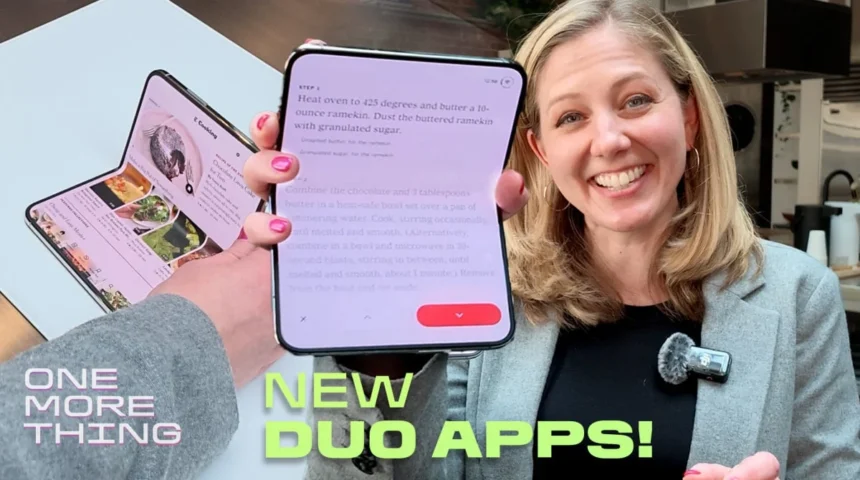
The landscape of mobile app development is undergoing its most significant transformation in over a decade as creators race to release software optimized specifically for the unique dual-screen and folding capabilities of the newly launched iPhone Duo. As consumers get their hands on Apple’s highly anticipated foldable device, tech enthusiasts and software engineers alike are exploring how the hardware’s expanded canvas changes daily interactions with technology, prompting a wave of nostalgic experimentation paired with practical utility.
In a recent hands-on feature, tech journalist Bridget Carey explores this pivotal hardware shift, sitting down with app developers to examine how the very first batch of iPhone Duo applications is utilizing folding screens in creative, unexpected ways. The arrival of the iPhone Duo marks a major milestone for the industry, prompting users to essentially relearn how they interact with an iPhone. From the nostalgia of early App Store novelties to the sophisticated multitasking layouts required by modern productivity and media tools, the device is already redefining expectations for mobile hardware and software design.
The release day of the iPhone Duo has naturally generated intense curiosity, drawing comparisons to the monumental shift seen during the debut of the original iPhone. Developers who spent months working with early device specifications are now seeing their concepts come to life in the hands of consumers. Among the earliest and most whimsical examples is an application initially known as Duo-Man, which has since been rebranded as Deck-Man. This clever app playfully transforms the iPhone Duo into a retro personal stereo device, evoking memories of vintage cassette players and harkening back to the playful, tactile software experiences that defined the early days of the App Store.
For many veteran observers of the tech industry, these early experiments draw direct parallels to the novelty apps that captivated early iPhone adopters, such as the famous virtual beer-drinking app that once showcased the accelerometer capabilities of Apple’s original smartphone. However, the iPhone Duo goes far beyond simple novelty, offering complex engineering challenges and opportunities for serious software developers looking to maximize the device’s unique screen real estate.
Major mainstream applications are leading the charge in demonstrating how folding displays can genuinely improve user workflows rather than merely serving as a gimmick. The New York Times Cooking app, for instance, has been thoughtfully redesigned for the iPhone Duo. By leveraging the sprawling dual-screen display, the application can present ingredient lists on one side of the fold while displaying step-by-step cooking instructions or high-resolution photography on the other, eliminating the constant scrolling that has traditionally defined tablet and smartphone recipe reading.
Similarly, Major League Baseball has updated its official MLB app to take full advantage of the iPhone Duo’s expansive layout. Sports fans can now stream live games while simultaneously tracking real-time player statistics, interactive field diagrams, and social feeds across the distinct panels of the folding display without having to constantly switch between windows or sacrifice video viewing size. These design choices reflect a broader industry effort to rethink how information is prioritized when users are given significantly more room to work and play.
The hardware’s expansive display canvas is also opening up entirely new avenues for immersive mobile entertainment and gaming. Developers of titles like the atmospheric game Ungodly are utilizing the unique geometry of the iPhone Duo to separate game controls from narrative elements, creating an immersive experience that feels distinct from traditional single-screen mobile gaming. Meanwhile, entertainment giants like Netflix are implementing clever visual design tricks within their applications to handle the transition across the screen’s fold seamlessly, ensuring that cinematic content is presented without awkward visual interruptions while maximizing interface control accessibility.
Industry reactions to the iPhone Duo suggest that this hardware release represents the most exciting evolutionary step for the iPhone product line since its inception. While early reviewers have pointed out specific hardware debates—such as ongoing discussions regarding the FaceTime camera placement and overall ergonomics—the consensus among software creators is that the device provides a fertile ground for innovation.
As users continue to explore the capabilities of the iPhone Duo, the ecosystem of optimized applications is expected to expand rapidly. Apple’s latest hardware release has effectively opened a new chapter in mobile computing, challenging developers to rethink decades of established user interface conventions. With software creators continuously finding novel ways to divide, merge, and utilize the folding screen real estate, the initial wave of apps serves as just a glimpse into the future of smartphone design and application functionality.

Related News