Elon Musk Has Recused Himself from the SpaceX-Tesla Merger Talks, But SEC Filings Suggest He Still Holds the Final Say
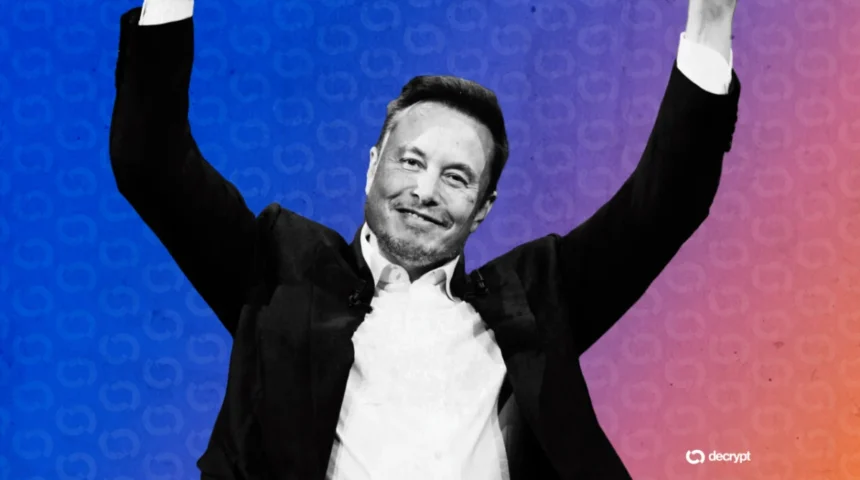
Elon Musk has officially stepped back from direct negotiations regarding a potential mega-merger between aerospace manufacturer SpaceX and electric vehicle pioneer Tesla. However, regulatory disclosures indicate that his formal recusal may ultimately mean very little in practice.
According to a SpaceX 10-Q filing submitted on October 22, any prospective business combination between the two corporate giants "would be subject to further approval by our special committee, our board of directors and our controlling shareholder." Because Musk controls approximately 85% of SpaceX’s voting power, he remains the definitive controlling shareholder of the private space exploration enterprise.
Both Tesla and SpaceX formally established independent special committees on October 20 to evaluate the heavily discussed proposed transaction. Wall Street analysts estimate that a successful union of the two companies could create a combined corporate entity with a staggering valuation of around $3.5 trillion, reshaping the global technology, automotive, and aerospace landscapes.
Addressing the structural constraints of his participation, Musk described the situation as "an odd kabuki dance where two groups of people are talking, and I can’t be in the conversation." Speaking publicly on the matter, Musk captured the delicate nature of the corporate maneuver, noting, "I mean, this is definitely kind of a question where I feel like I’m tap dancing through a minefield. But so I have to be thoughtful about what I say here. I think both SpaceX and Tesla have formed special committees…" Despite these formal firewalls, the language embedded in the regulatory filings strongly suggests that Musk will retain ultimate authority over whether any deal crosses the finish line.
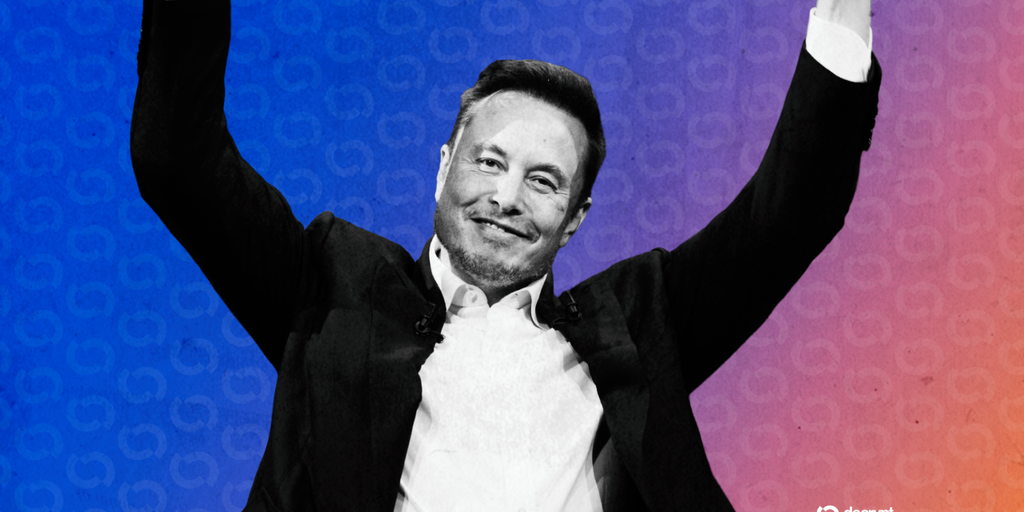
Furthermore, market watchers note that Musk has already heavily influenced the narrative surrounding the transaction before independent talks could truly get underway. Reuters recently reported that Musk’s public endorsements of the SpaceX-Tesla deal earlier this month introduced significant complications into the independent review process. Insiders noted that his public stance created a "mess" for corporate governance, making it considerably more difficult for the respective special committees to negotiate entirely at arm’s length.
Legal and financial observers are already drawing comparisons to past transactions involving Musk’s corporate portfolio. Critics frequently point to Tesla’s controversial 2016 acquisition of SolarCity—another high-profile, highly conflicted transaction involving Musk as a major shareholder on both sides—which ultimately cleared scrutiny in Delaware courts. At the same time, SpaceX’s own investor disclosures have previously flagged Musk’s deeply overlapping professional interests and multifaceted leadership roles as a material risk for stakeholders.
The structural hurdles for the deal extend far beyond initial boardroom discussions. For the merger to advance, Tesla shareholders must clear a remarkably stringent voting threshold: approval requires the affirmative vote of 50% of all outstanding shares, rather than a simpler majority of votes actually cast at a meeting. Musk himself has publicly acknowledged this challenge, calling the requirement "quite a high hurdle."
Financial institutions are already modeling the potential fallout of the corporate marriage. Estimates compiled by REX Financial indicate that if the merger proceeds under current structures, Musk would emerge with roughly 57% of the combined voting power of the newly consolidated entity.
With Tesla’s crucial annual shareholder meeting fast approaching on December 3, investors and market analysts continue to weigh the profound governance, valuation, and regulatory implications of a combined SpaceX and Tesla empire.

Related News