Former Penetration Tester Uses ARTEX AI Framework to Steal 8.2 Million Records in South Korea

South Korean law enforcement authorities have dismantled a sophisticated cybercrime operation, arresting seven suspects linked to a sweeping series of network breaches targeting more than 90 organizations across the country. According to local media reports citing the Seoul Metropolitan Police, the criminal enterprise was masterminded by a former cybersecurity professional who utilized advanced artificial intelligence pentesting frameworks to automate and scale the attacks, marking a significant milestone in regional cybercrime investigations involving generative AI.
The primary architect behind the cyberattacks is a self-taught, 32-year-old hacker with professional experience in the cybersecurity sector. Investigators revealed that the suspect previously worked at a domestic cybersecurity firm between 2019 and 2022, gaining valuable technical insights into vulnerability assessment, network defense architectures, and penetration testing methodologies. Armed with this industry background, the gang leader allegedly initiated a campaign against South Korean organizations starting in September 2025.
Over the course of the operation, the threat actor group successfully compromised over 90 distinct entities spanning a diverse cross-section of industries. Among the victims were educational institutions, major hospitals, large corporations, and even recreational facilities such as golf courses. In total, authorities believe the cybercriminals exfiltrated approximately 8.2 million sensitive records from the compromised networks, posing severe privacy and security risks to the affected organizations and individuals whose personal information was compromised.
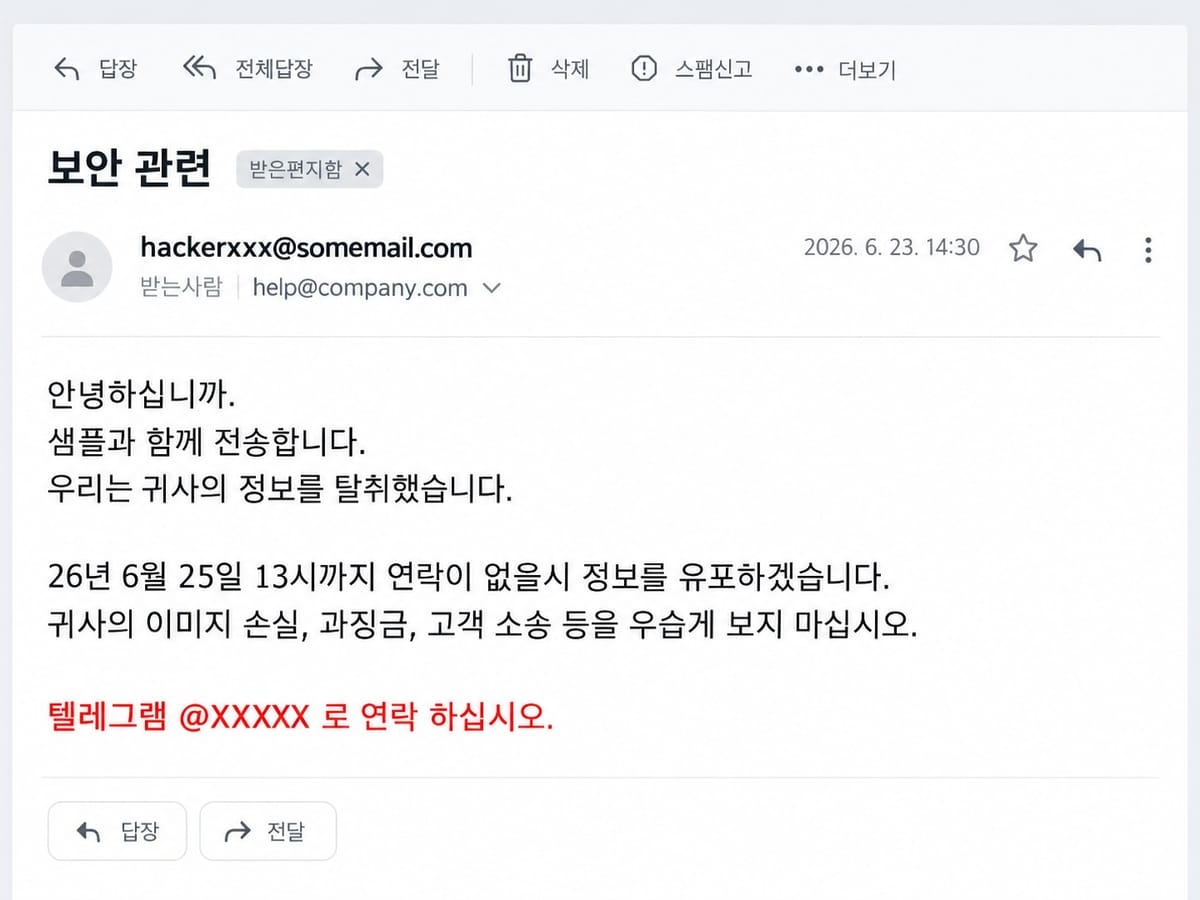
As the campaign progressed, the threat actors leveraged their access to mount an extortion scheme. In at least 38 of the confirmed breach incidents, the gang demanded ransom payments totaling 360 million South Korean won, which is approximately equivalent to $270,000 USD. In exchange for the payments, the hackers promised not to leak the sensitive data they had siphoned off from corporate databases and institutional servers.

According to reports from Yonhap News, the nature of the operation shifted dramatically as the campaign evolved. Initially, the hacker relied on conventional hacking tools and standard reconnaissance procedures to probe network perimeters. However, in late August 2026, the threat actor adopted advanced AI utilities to rapidly expand the scope, speed, and scale of the attacks.
Central to this technological shift was the use of the ARTEX AI penetration testing suite. The autonomous framework, which is designed to simulate cyberattacks and discover network weaknesses, became the primary engine behind most of the group’s successful breaches. Law enforcement officials noted that the ARTEX AI framework is the same advanced autonomous tool previously tied to coordinated cyberattacks against multiple South Korean banks, which were similarly attributed to sophisticated, Chinese-speaking threat actors operating in the region.
The crackdown on the cybercrime ring began after an affected victim filed an official complaint with law enforcement in June. Responding to the report, detectives and cybersecurity investigators from the Seoul Metropolitan Police initiated a comprehensive inquiry, meticulously tracing the suspects through digital footprints left in server logs recovered from the breached entities. In a notable application of modern investigative techniques, local authorities reportedly utilized an in-house artificial intelligence tool of their own to analyze the vast volume of digital evidence and server logs recovered during the probe.
Law enforcement action culminated on October 15 with the arrest of the seven suspects. While all seven individuals were initially apprehended, only the group’s alleged leader remains in police custody. Following his arrest, he was formally detained two days later and subsequently referred to state prosecutors on October 23 to face formal criminal charges related to large-scale hacking and data theft. The remaining six suspects associated with the operation are currently under ongoing police investigation but remain unconfined while authorities determine their exact levels of participation.
The case has drawn significant attention from South Korean officials and cybersecurity experts alike, primarily due to its unprecedented reliance on generative artificial intelligence to orchestrate large-scale criminal activity. Police representatives speaking to local media emphasized that the integration of AI tools has drastically lowered the technical barrier to entry for aspiring cybercriminals. This technological shift enables individuals and small groups to execute high-impact, widespread cyberattacks that were historically limited to highly skilled, well-resourced hacker organizations.
Law enforcement officials highlighted the historic nature of the operation during briefings with reporters, noting that this marks the first official arrest of a suspect in South Korea concerning a large-scale hacking and personal information theft crime that directly exploited generative artificial intelligence. Authorities underscored that the democratization of cyber capabilities via advanced AI means that even individuals operating outside traditional, professional hacker syndicates can now perpetrate sophisticated intrusions on a mass scale.
As the legal proceedings against the primary suspect move forward, the broader investigation remains active. Seoul Metropolitan Police detectives are continuing their inquiries to determine whether any portion of the 8.2 million stolen data records has already been leaked, sold, or distributed across underground forums and the dark web, while affected organizations continue to review and reinforce their cybersecurity postures in the wake of the breaches.

Related News