AI Data Center Boom Strains the U.S. Power Grid, But Experts See Catalyst for Modernization
The rapid, unprecedented expansion of artificial intelligence has triggered a gargantuan surge in energy demand across the United States. As technology companies race to build, expand, and power massive server farms, critics and energy experts alike warn that this sudden upswell in power grid connections is creating a profound stress test for America’s aging electrical infrastructure.
Worries increasingly abound across the energy sector and public utilities that, in the short term, this intense energy crunch could lead to surging electrical bills for everyday consumers and businesses. Over the long term, industry analysts fear the unprecedented load could eventually lead to localized outages, blackouts, or other complex technical stability problems unless significant changes are made to how energy is produced, transmitted, and managed.
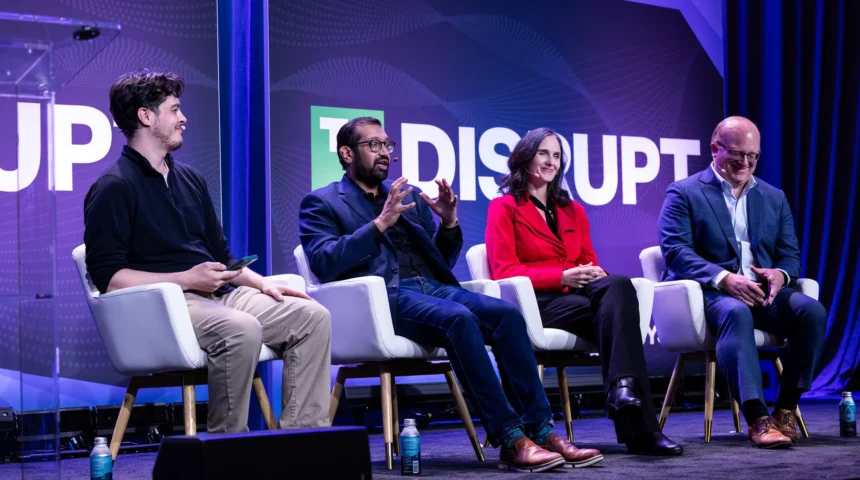
However, during a panel discussion at the TechCrunch Disrupt conference earlier this month, industry insiders offered a more nuanced and ultimately optimistic perspective. Rather than viewing the flood of new energy connections exclusively as a looming crisis, these experts argued that the intense pressure from AI data centers could actually open the door for long-overdue grid modernization. Apoorv Bhargava, founder and CEO of WeaveGrid; Tim Heidel, CEO of Veir; and Kristin Eberhard, vice president of policy at Rewiring America, converged on the idea that while the grid faces unprecedented new challenges, the situation has simultaneously unlocked extraordinary opportunities for technological innovation and structural reform.
“It’s a very different electric grid, right?” Bhargava remarked during the panel discussion. “We’re dealing with a ton of new variables, including renewable energy. We’re dealing with a ton of new load in the form of electric vehicles and data centers and heat pumps, and the ability to manage and orchestrate is fundamentally what utilities are now grappling with.”
While all of those modern power connections are injecting an unprecedented level of stress into legacy electrical systems, Bhargava’s company is aiming to provide the kind of advanced load orchestration and management tools necessary to help utilities maximize the potential of their current physical infrastructure. WeaveGrid’s specialized software is designed to help organizations efficiently deploy and balance energy resources while simultaneously optimizing connections in a manner that protects everyday utility ratepayers from exorbitant bills.
While software solutions can optimize existing pathways, other innovators are targeting the physical bottlenecks of the power grid itself. Tim Heidel runs Veir, a startup working to build out and expand the physical infrastructure of the electrical grid while dramatically increasing its operational efficiency. Veir develops and sells advanced superconductive power lines designed to transfer electrical energy at a much higher efficiency rate than traditional copper or aluminum cables. According to the company, Veir’s specialized cables can carry electrical power up to five times farther than traditional cables while simultaneously requiring twenty times less physical right-of-way space.
This high-performance hardware has attracted significant backing from the technology sector, including support from Microsoft. Demonstrating strong investor confidence in solutions designed to power AI infrastructure sustainably, Veir successfully raised $110 million in a Series C funding round earlier this month to accelerate the commercialization of its superconducting power delivery technology specifically tailored for data centers.
“The scale of the investment in AI infrastructure is driving a tremendous amount of innovation,” Heidel noted during the TechCrunch Disrupt session. “There’s a ton of new technologies that are coming off the shelves and starting to get to scale that, pulled together, can actually really make sure that data centers are the best community neighbors and citizens they can possibly be.”
Heidel emphasized that the energy sector must act swiftly to embrace these emerging tools. “I think that we really need to look at ways that we can really adopt all of that as fast as possible to ease this next stage of growth,” he added.
This sentiment of urgent adaptability was echoed by Kristin Eberhard of Rewiring America. While her organization typically advocates for household electrification and residential climate tech incentives, Eberhard observed that the sudden, massive surge in data center energy demand has injected a new sense of urgency into the broader grid modernization movement. Beyond merely creating pressure, this environment has fostered an atmosphere where traditional utilities, regulators, and technology industries are finally willing to experiment with new technologies and regulatory frameworks.
“I feel like this era of AI and load growth is a very improv era,” Eberhard said during the discussion. “There’s a lot of yes-and-ing going on. So yes, we need more transmission lines. Yes, we need more centralized power plants, and we also need to make sure that we’re taking advantage of all this other stuff that we had previously been leaving on the table when we didn’t have this urgency of the AI demand.”

Related News