Barefoot Mining Scales Off-Grid Operations and Battles Extreme Weather with Braiins OS
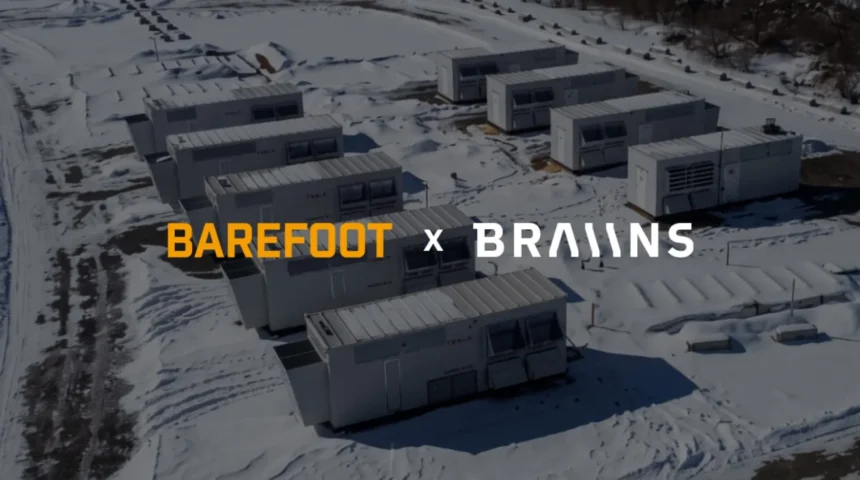
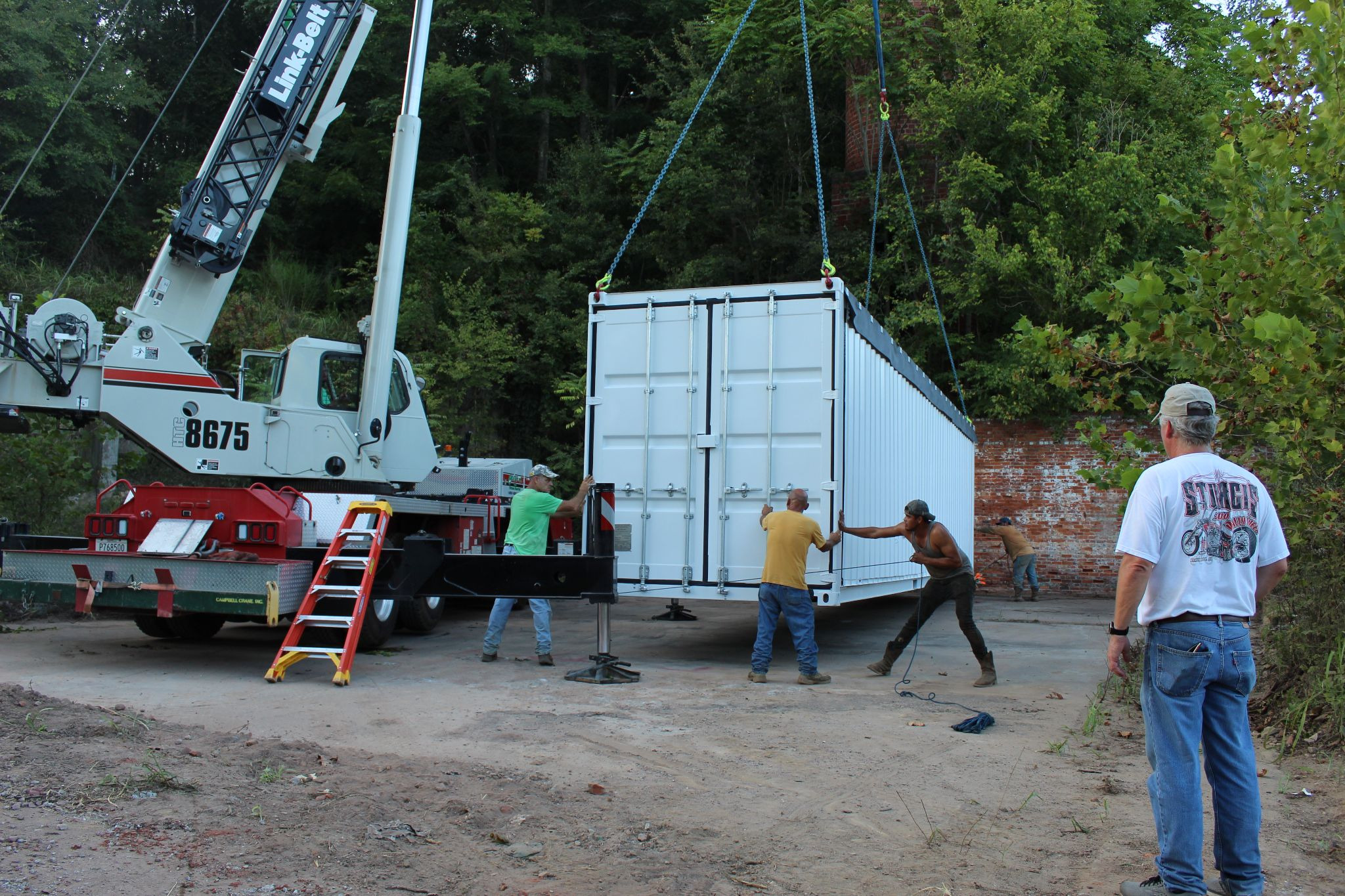
In the evolving landscape of Bitcoin mining, industrial-scale grid-connected operations often dominate the conversation, but a different breed of enterprise is quietly carving out a resilient path in remote regions. Barefoot Mining, an innovative player in the sector, has built its operating model around absolute sovereignty. Unlike traditional facilities tethered to major power grids, Barefoot generates its own electricity, establishes operations in sites exposed to dramatic day-to-night and seasonal temperature swings, and maintains the rare capability to pack up and relocate an entire site when environmental or commercial conditions shift.
As the industry faces rising operational hurdles, including power limitations, heat constraints, and uptime challenges, companies like Barefoot are redefining what it means to be agile in a capital-intensive market. Their operational journey highlights the intersection of self-generated power and advanced mining firmware, offering a compelling case study for mid-size operators navigating the harsh realities of off-grid deployment.
Barefoot’s “Wild Horse Mining” Strategy
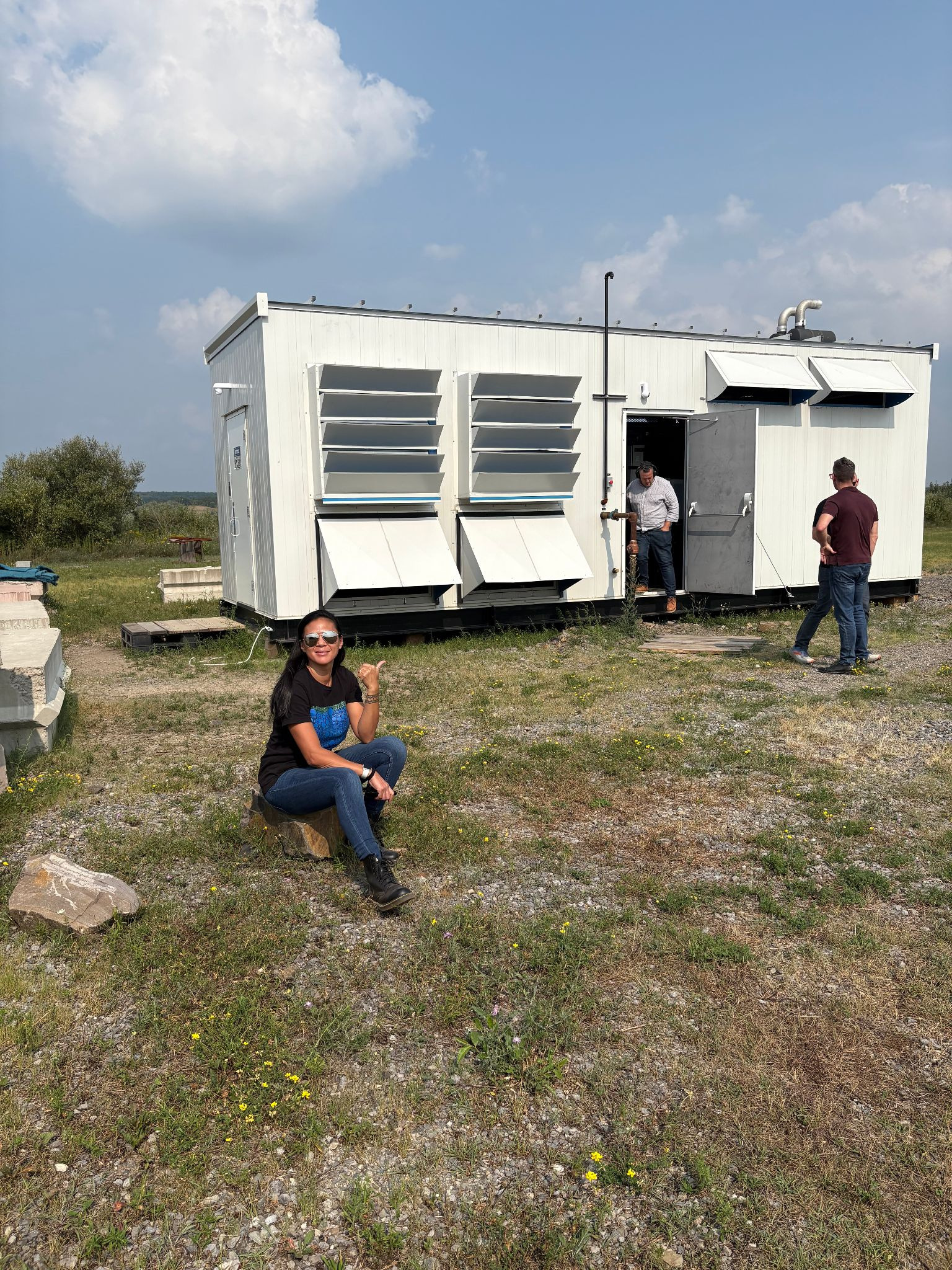
At the core of Barefoot Mining’s philosophy is what the team describes as the "Wild Horse Mining" strategy. Rather than consolidating massive amounts of computing power into a single, permanent industrial complex, Barefoot places compact mining rigs on off-grid locations and small-to-medium commercial sites. Crucially, these operations run on power that the company generates itself.
Producing their own energy grants Barefoot two distinct strategic advantages: absolute energy independence and unmatched operational mobility. This sovereignty forms the unbreakable foundation of their entire business model. When looking for new locations, Barefoot specifically targets sites ranging from 0.5 megawatts to 10 megawatts. At this scale, infrastructure can be deployed rapidly, operations can be shifted when external conditions demand it, and the company largely avoids the heavy local regulatory friction and community resistance that frequently plague much larger industrial facilities. Furthermore, this decentralized approach effectively spreads operational risk across multiple geographic locations instead of concentrating capital and hardware in one vulnerable, centralized site.
When asked about the scale of their operations, the Barefoot team offers a concise perspective that captures their commitment to operational flexibility: "We are big enough to not be small, but not big enough to be big." This middle ground allows them to remain nimble while still capturing meaningful production scale.
The Heat Problem and the Vulnerability of Stock Firmware
For years, Barefoot ran its mining machines on standard stock firmware, interspersed with occasional experiments using alternative builds. However, off-grid and rural operations exist entirely out in the open, leaving hardware completely exposed to the whims of nature.
During the scorching summer months, ambient temperatures climb to extremes where standard factory firmware is forced to intervene to protect the underlying silicon. Stock firmware typically responds to rising heat by aggressively throttling hashrate or dropping entire machines offline altogether. In the high-stakes business of Bitcoin mining, every sudden drop in hashrate translates directly into lost revenue—revenue that optimized, intelligent firmware could otherwise help salvage. Barefoot recognized that if they were going to maintain profitable operations under such volatile environmental conditions, they needed a sophisticated solution to keep their machines running at peak performance.
Managing the Transition to Braiins OS: From Test Site to Fleet-Wide Rollout
Seeking a viable path forward, Barefoot initiated a controlled test of Braiins OS at their South Dakota headquarters, deploying the firmware on S19J Pro Plus hardware. The primary objective was to determine whether intelligent software could help the machines remain online longer during periods of high ambient temperature.
Within just a few months, the operational results were definitive enough to prompt a full fleet-wide rollout across all of Barefoot’s remote sites. The fundamental difference between standard stock firmware and Braiins OS lies in how each system reacts to thermal stress. Traditional stock firmware applies a uniform voltage and frequency profile to every single chip located on a hashboard, resulting in clumsy, broad-stroke throttling when temperatures begin to rise. In contrast, Braiins OS utilizes Dynamic Performance Scaling and tunes each individual chip separately, stepping power down in gradual increments as thermal headroom diminishes.
This granular approach delivers significantly more precise control. Instead of penalizing an entire machine with aggressive, blanket power reductions, Braiins OS keeps the miner online and actively hashing at the highest possible level that the immediate environmental conditions will safely allow.
Essential Braiins OS Features Utilized in the Field
Operating in remote environments requires tools designed for constraint and resilience. Barefoot relies heavily on several specific features within Braiins OS to sustain profitability across its distributed fleet.
Chief among these is direct wattage control, which provides the ability to precisely dictate how much power each individual machine consumes. When an operator generates their own electricity, they are strictly bound by a fixed power budget. As the Barefoot team noted, the ability to control unit wattage under power constraints is invaluable, while also serving as a vital instrument for optimizing the efficiency of older generation hardware. This dual-purpose control solves two distinct operational problems simultaneously. On constrained sites, machines can be instantly capped to match the exact electricity available. On aging units, operators can dial the hardware into a more efficient operating sweet spot, extracting additional satoshis per watt from equipment that might otherwise be destined for retirement.
Automatic thermal throttling has proven equally critical. On exposed off-grid sites, the ability of Braiins OS to scale back performance gradually rather than tripping offline during peak afternoon heat waves prevents catastrophic losses in production. Over a distributed fleet operating in harsh climates, those saved hours of continuous uptime accumulate into substantial financial gains.
Additionally, Braiins OS has provided a reliable mechanism for handling hardware failures in the field. When a mining machine suffers a defective hashboard, standard operations usually dictate that the entire unit must sit idle until maintenance personnel can physically travel to the remote site and execute repairs—a process that can easily take days in isolated regions. Braiins OS allows the remaining functional boards to continue hashing in the meantime, ensuring that a partial hardware fault does not result in a total loss of daily production.
Implications for Mid-Size Mining Operations
The operational playbook for massive industrial mining facilities rarely applies to smaller, independent off-grid operators. While much of the marketing in the mining sector caters to massive institutional giants, Barefoot’s experience demonstrates that mid-size operators can achieve high efficiency through software optimization rather than heavy capital expenditure.
For operators managing mid-size fleets, advanced firmware solutions provide practical levers to maximize output without requiring expensive infrastructure overhauls. Increasing efficiency, extending hardware longevity, and maintaining uptime in extreme weather do not necessitate purchasing new transformers, installing complex immersion cooling systems, or expanding physical site footprints. Instead, these gains are unlocked directly from the hardware already deployed in the field.
The Importance of Technical Support and Partnership
For operations situated hours away from the nearest town, where every minute of unplanned downtime represents tangible financial loss, the quality of technical support and communication from software providers becomes paramount. Barefoot emphasizes that support is just as critical as the software itself, rating Braiins highly in this regard and viewing the firm as an essential operational partner.
When remote hardware experiences failures in the field, response times and collaborative problem-solving matter far more than theoretical performance metrics on a product data sheet. A strong partnership ensures that technical hurdles are addressed collaboratively, bridging the gap between software capabilities and real-world execution.
Future Outlook and Hardware Flexibility
As Barefoot continues to refine its operational model, the company remains vocal about areas where firmware and hardware compatibility can evolve. The team advocates for increasingly autonomous software features, such as advanced self-healing behaviors, and expresses a strong desire for broader Braiins OS compatibility across diverse hardware manufacturers beyond Bitmain. Expanding hardware support grants independent operators greater commercial flexibility when sourcing machines for future deployments.
By sharing these real-world insights, companies like Barefoot help shape the future of mining software, ensuring that tools continue to address the actual challenges faced by operators working on the front lines of the industry. The results achieved by Barefoot Mining underscore the profound impact that intelligent firmware management can have when applied to off-grid, constrained, and weather-exposed Bitcoin mining operations.

Related News