Elon Musk Steps Down from DOGE and the Trump Administration as Silicon Valley Confronts Political Reality
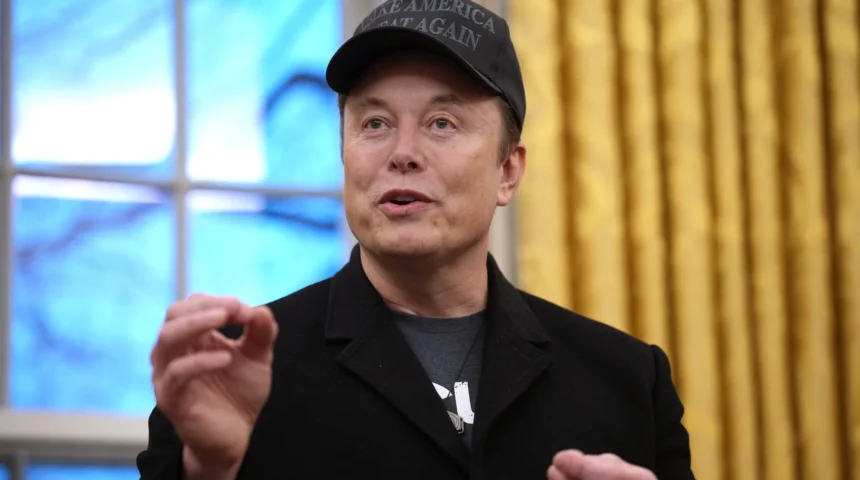
Elon Musk has officially announced he is stepping down from his role as a U.S. special government employee and concluding his tenure as the de facto head of the Department of Government Efficiency, widely known as DOGE.
The high-profile departure arrives amid a notable cooling in the relationship between Musk and the Trump administration. It also follows a turbulent period marked by slumping Tesla sales, which analysts and market observers have increasingly tied to the polarizing nature of Musk’s direct political advocacy and federal cost-cutting crusades. Despite stepping away from his formal government post, Musk publicly thanked President Trump for the opportunity to tackle federal spending and eliminate government waste. He also insisted that DOGE’s overarching mission and administrative framework are not going anywhere anytime soon, maintaining that the initiatives set into motion during his tenure will continue to impact federal operations.
Since its launch, the controversial organization has driven sweeping policy and administrative shifts across the federal government. Operating with the explicit goal of slashing budgets, DOGE-aligned efforts have targeted numerous agencies, resulting in deep job cuts, the abrupt shutdown of entire bureaucratic departments, and a wave of intense legal and political controversy. The aggressive approach, which critics likened to taking a chainsaw to federal infrastructure, galvanized supporters of fiscal conservatism while drawing fierce pushback from lawmakers, federal workers, and public sector unions.
The political fallout from Musk’s government stint and its broader implications for the tech industry were a primary focus of a recent episode of TechCrunch’s flagship podcast, Equity. Hosts Kirsten Korosec, Max Zeff, and Anthony Ha sat down to unpack the broader leadership changes surrounding DOGE, examining who else is departing the initiative and evaluating a broader shift in how Silicon Valley interacts with Washington, D.C. During the discussion, Korosec characterized the current climate as entering the “find out” stage of political engagement for the technology sector, signaling a potential reckoning for tech leaders who intertwine their corporate brands with partisan politics.
The intersection of technology, government policy, and public perception has long been a delicate balancing act for Silicon Valley executives. However, Musk’s direct integration into the federal apparatus represented an unprecedented level of involvement. By taking a hands-on approach to dismantling government bureaucracy, the billionaire entrepreneur placed not only himself but also his publicly traded companies squarely in the political crosshairs. While brands like SpaceX and Neuralink maintain defense and specialized contracts that shield them from certain consumer pressures, Tesla has faced immediate marketplace friction. Slumping sales and bruised brand loyalty highlighted the financial risks that corporate titans face when their chief executives become lightning rods for political division.
As the dust settles on Musk’s brief yet impactful tenure in Washington, the long-term legacy of DOGE remains a subject of intense debate among economists, policymakers, and industry analysts. Proponents maintain that the aggressive oversight and budget trimming were long overdue measures needed to curb unchecked federal spending and streamline bloated agency structures. Detractors, however, argue that the methods employed caused unnecessary disruption to essential public services and bypassed traditional legislative checks and balances.
The ongoing reverberations of these developments underscore a changing landscape for technology executives navigating the corridors of power. With Equity returning next week with new episodes, tech observers continue to monitor how other industry leaders will recalibrate their political strategies in the wake of Musk’s departure. The flagship podcast, produced by Theresa Loconsolo and posting every Wednesday and Friday, remains a vital platform for analyzing these unfolding intersections of technology, business, and public policy. Listeners can find full episodes, transcripts, and archives across major podcast platforms including Apple Podcasts, Overcast, and Spotify, as well as updates via the show’s official channels on X and Threads.

Related News