Yum Brands Beats Wall Street Expectations in Q3 Despite Taco Bell Cyclospora Outbreak and Pizza Hut Divestiture
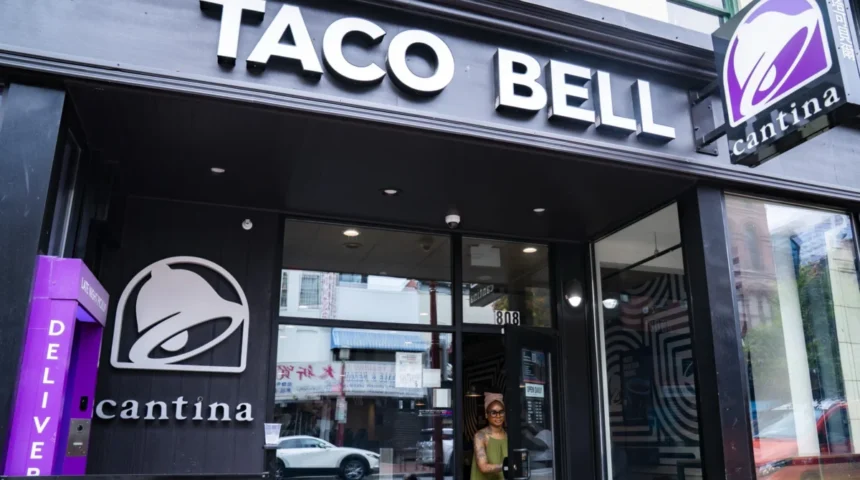
Yum Brands reported fiscal third-quarter earnings that surpassed Wall Street expectations, showcasing financial resilience even as a public health scare at Taco Bell and a major corporate restructuring weighed on same-store sales growth.
The parent company of major fast-food chains posted strong financial results, sending its shares up more than 1% in premarket trading following the announcement. However, the period was marked by notable operational challenges, most prominently a cyclosporal parasite outbreak linked to iceberg lettuce at Taco Bell restaurants that temporarily stalled momentum at its primary growth engine.
Despite the headwinds caused by the foodborne illness outbreak, Yum executives emphasized that Taco Bell has mounted a strong recovery. According to the company, the popular Mexican-inspired fast-food chain has successfully regained its footing and is once again outpacing the broader quick-service restaurant industry.
For the fiscal third quarter, Yum reported net income of $1.62 billion, or $5.92 per share, representing a significant increase compared with $397 million, or $1.41 per share, recorded during the same period a year earlier. Excluding gains related to the divestiture of Pizza Hut and other specific items, the restaurant conglomerate earned $1.56 per share, easily topping the consensus estimates compiled by analysts surveyed by LSEG. Net sales for the quarter rose 4% to reach $2.05 billion.
A central storyline of the quarter was the completion of Yum’s strategic exit from the Pizza Hut brand. The company officially closed the sale of the pizza chain’s business operations in mainland China to Yum China on August 7, followed by the sale of the remainder of the Pizza Hut business to private equity firm LongRange Capital on September 1. Consequently, Yum’s third-quarter financial results incorporate Pizza Hut’s performance only up until those respective transaction closing dates.
When excluding Pizza Hut entirely from the figures, Yum’s overall same-store sales were flat for the quarter. This stagnation was heavily influenced by the performance of Taco Bell, where same-store sales declined by 4%. Diners temporarily pulled back on visits and altered their dining habits following media reports and public health warnings regarding the cyclosporal outbreak tied to contaminated iceberg lettuce.
Company executives previously noted that the weekend of July 18 experienced the most severe negative impact on sales. Nevertheless, consumer confidence has steadily returned, and sales trends have improved markedly in the weeks and months following the initial scare.
While the domestic market felt the pinch of the outbreak, Taco Bell’s much smaller international footprint provided a bright spot, reporting same-store sales growth of 5% outside of the United States.
Meanwhile, KFC, another cornerstone of the Yum portfolio, saw its worldwide same-store sales tick up 1%, bolstered by solid system sales growth across markets in China and Europe. However, the domestic picture for the fried chicken chain proved more challenging. The United States, which has now become KFC’s third-largest market globally, saw its system sales shrink by 6% during the quarter.
KFC has faced mounting domestic pressures as it contends with a wave of aggressive new competitors entering the fast-food space and an increasingly budget-conscious consumer base navigating broader economic uncertainties. This domestic struggle mirrors similar difficulties experienced by competitors in the sector, such as Restaurant Brands International’s Popeyes, which has also had to navigate a crowded and value-driven market environment.
Despite the hurdles posed by the Taco Bell lettuce outbreak, the Pizza Hut divestiture, and domestic softening at KFC, Yum’s overarching financial health and robust bottom-line performance underscored the effectiveness of its broader corporate strategy. Company leadership remains confident in the trajectory of its core brands moving forward, pointing to Taco Bell’s swift post-outbreak recovery as evidence of the enduring strength of the brand’s connection with consumers.
"Since the end of September, Taco Bell U.S. has been outpacing the quick-service restaurant industry on same-store sales growth," Yum CEO Chris Turner stated, signaling that the temporary disruption is firmly in the past as the company looks toward the final stretch of the fiscal year.

Related News