Federal Trade Commission Warns of Near-Tenfold Surge in Bitcoin ATM Fraud as Consumer Losses Top $66 Million in 2024
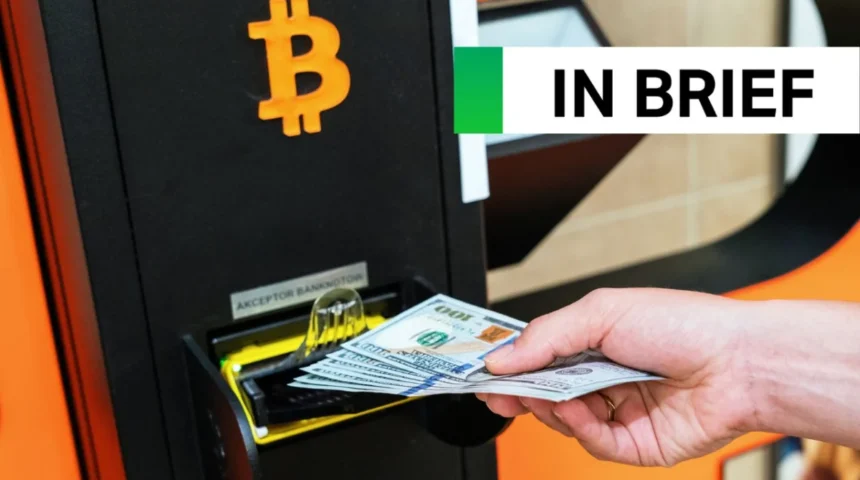
WASHINGTON — Financial fraud involving cryptocurrency kiosks has reached alarming new heights across the United States, according to a stark warning and comprehensive report published by the Federal Trade Commission. The agency’s data spotlight highlights a rapidly escalating crisis centered around bitcoin ATMs, specialized physical terminals that allow everyday consumers to convert physical cash into digital currency. While marketed as a convenient bridge between traditional fiat currency and the digital asset economy, these machines have increasingly transformed into a preferred vehicle for criminal networks looking to execute sophisticated financial heists with near-total anonymity.
The scale of the phenomenon is unprecedented. According to federal regulatory data, financial losses tied directly to fraudulent schemes operating through bitcoin ATMs have ballooned nearly tenfold since 2020. The financial devastation inflicted upon unsuspecting citizens continues to accelerate at a breakneck pace. In the first half of 2024 alone, consumer reports submitted to the federal watchdog reveal that Americans have lost more than $66 million to these specific types of cryptocurrency kiosk scams. This staggering figure underscores how quickly criminals have adapted their methodologies to exploit the unique properties of cryptocurrency transactions, which are typically irreversible once completed on the blockchain.
The mechanics behind these fraudulent operations rely heavily on psychological manipulation, manufactured urgency, and sophisticated social engineering tactics. Federal regulators note that bad actors routinely initiate contact with their targets through unsolicited phone calls, deceptive text messages, and alarming pop-up security alerts designed to mimic legitimate financial institutions, utility companies, or government agencies. These fraudulent communications are crafted to induce panic, convincing victims that their life savings, retirement accounts, or personal identities are under immediate threat of seizure, legal action, or catastrophic loss.
Once the victim is emotionally compromised and desperate to secure their finances, the scammers deploy their final instructions. Instead of traditional bank transfers or wire services, which often leave a paper trail or allow for fraud intervention by traditional banking institutions, the perpetrators direct the terrified individuals to gather their physical cash, visit a local retail establishment housing a bitcoin ATM, and deposit their funds directly into the machine. To ensure the money lands precisely where they want it, the scammer often transmits a digital QR code for the victim to scan at the terminal. This scanned code secretly routes the newly converted cryptocurrency straight into the criminal’s private digital wallet, where it can be rapidly laundered and moved across international borders outside the reach of domestic law enforcement agencies.
The accessibility and placement of these cryptocurrency kiosks have inadvertently contributed to the rise in illicit activity. Bitcoin ATMs are frequently installed in high-traffic, familiar public locations such as convenience stores, gas stations, grocery stores, and corner markets. Because these machines are integrated into everyday commercial environments, consumers often approach them with a misplaced sense of security, assuming that the physical presence of the kiosk inside a reputable local business implies institutional safety and legitimacy. However, the merchants hosting these machines typically have no operational control over, or financial stake in, the transactions occurring at the kiosks, leaving them unaware of the financial devastation unfolding right inside their storefronts.
Consumer protection advocates and federal regulators have continued to sound the alarm as these losses mount, urging the public to exercise extreme caution whenever they receive unexpected demands for money, particularly instructions involving cryptocurrency kiosks. The irreversible nature of bitcoin ATM transactions means that once the cash is deposited and the digital currency is transferred, recovering the stolen funds is exceptionally difficult, if not entirely impossible. As regulatory scrutiny intensifies around the crypto kiosk industry, the Federal Trade Commission’s latest figures serve as a sobering reminder of the evolving threats facing consumers in an increasingly digital financial landscape, highlighting the urgent need for heightened public awareness to combat the relentless wave of kiosk-enabled fraud.

Related News