Tesla to Discontinue Cybertruck Next Year as Elon Musk Pivots Factory Space to Cybercabs
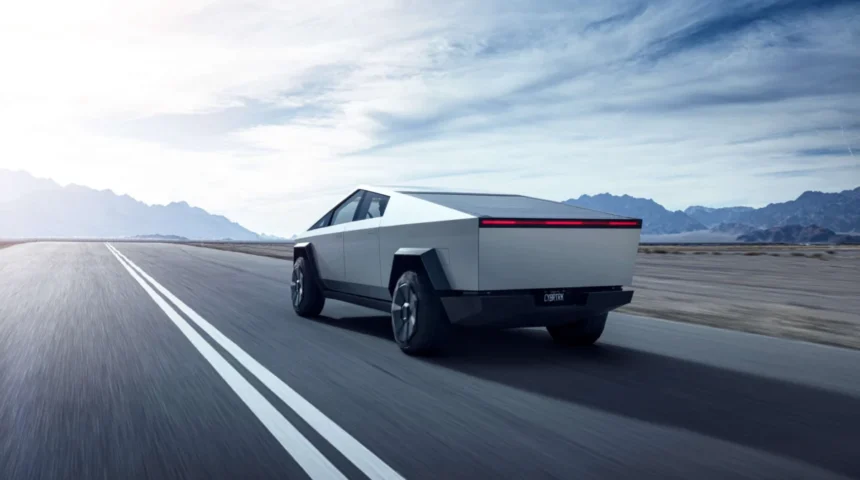
Tesla plans to discontinue production of the polarizing Cybertruck next year, according to CEO Elon Musk, who announced on social media that the company will repurpose the manufacturing facility space to build more two-seater Cybercab robotaxis.
The decision to wind down the futuristic, steel-clad electric vehicle comes after just a few short years of underwhelming market performance and lagging sales figures. When Musk handed over the first few production Cybertrucks to eager customers in late 2023, he boldly predicted that Tesla would eventually scale production to sell around 250,000 units per year. The pickup truck was originally envisioned as such a vital cornerstone of Tesla’s long-term future that, before construction even began on the facility, company executives routinely referred to its Texas manufacturing plant as the dedicated "Cybertruck factory." However, rather than meeting those high expectations, Tesla has instead managed to sell just tens of thousands of the vehicles in total over the last three years.
Tesla is killing off the Cybertruck at a crucial juncture when the company is aggressively transforming its core identity into an artificial intelligence- and robotics-focused enterprise. A massive driving force behind this strategic pivot is its high-stakes ambition in the autonomous robotaxi sector.
The company has spent the last two months systematically rolling out its Cybercabs onto public streets in its hometown of Austin, Texas. Thus far, with no major safety incidents reported to date, Tesla has signaled its confidence by announcing plans to expand the operational footprint of its Cybercab fleet to additional major metropolitan areas, starting with Dallas later this month. Alongside these new vehicles, Tesla also currently operates dedicated robotaxi versions of its Model Y sport utility vehicles in Austin, Houston, and Dallas, as well as across three separate cities in Florida.
This strategic shutdown marks the third distinct product line that Tesla has chosen to discontinue in recent times in order to channel resources and factory capacity toward its broader automation ambitions. Earlier this year, the company made the definitive decision to end the manufacturing of its flagship Model S sedan and Model X SUV, converting the specific factory space previously dedicated to those passenger vehicles to instead manufacture Optimus humanoid robots.
First announced to the public in 2019, the Cybertruck was a product that Musk had personally obsessed over for years leading up to its debut.
"Probably my personal favorite for the next product is the pickup truck, and we are going to just do an amazing pickup truck," Musk famously stated during one of Tesla’s quarterly financial earnings calls that same year.
Musk promised at the time that the Cybertruck would be a radical departure from traditional automotive design, drawing direct inspiration from the gritty, dystopian aesthetics of cyberpunk science fiction stories like Blade Runner. While that bold vision certainly materialized in the vehicle’s angular, stainless-steel exterior, the company significantly overpromised on the fundamental baseline specifications of the Cybertruck right from the very beginning.
During the now-infamous public reveal event in 2019—which famously featured head designer Franz von Holzhausen inadvertently cracking the Cybertruck’s supposedly unbreakable windows by hurling heavy steel balls at them—Tesla boldly claimed that the electric vehicle would start at a base price of under $40,000 and deliver an impressive driving range of up to 500 miles on a single charge. In the end, the company successfully achieved neither of those targets.
Instead, the vehicle suffered a series of extensive delays lasting two years, driven in part by global supply chain disruptions and manufacturing hurdles brought on by the Covid-19 pandemic. When the truck finally did hit the market in late 2023, Tesla handed over the initial batch of vehicles to customers during a relatively brief and somewhat unusual delivery event by the company’s own historical standards. During the proceedings, a poorly lit Musk stood prominently in the bed of the truck, enthusiastically promising the crowd that the vehicle was "the finest in apocalyptic equipment" perfectly suited for "late civilization vibes." By that point, however, the base price of the vehicle had inflated significantly to around $60,000, while the top-end driving range had shrunk by over 100 miles compared to the initial 2019 promises.
The futuristic truck has struggled to find a stable footing on the open market ever since. The polarizing and aggressive design never truly resonated comfortably with mainstream automotive buyers, particularly given its much-higher-than-expected price tag. Furthermore, during the vehicle’s first full year of commercial sales in 2024, Musk emerged as a major financial backer of Donald Trump’s political campaign, a development that inadvertently transformed the highly visible and instantly recognizable Cybertruck into a frequent target for political protesters and vandalism. Those public flashpoints and controversies continued well into 2025 as Musk assumed a prominent role leading the federal cost-cutting initiative known as the Department of Government Efficiency, which subsequently resulted in the termination of thousands of federal government workers.

Related News