Haitian Prime Minister to Visit El Salvador as Future of Salvadoran Troop Deployment Hangs in Balance
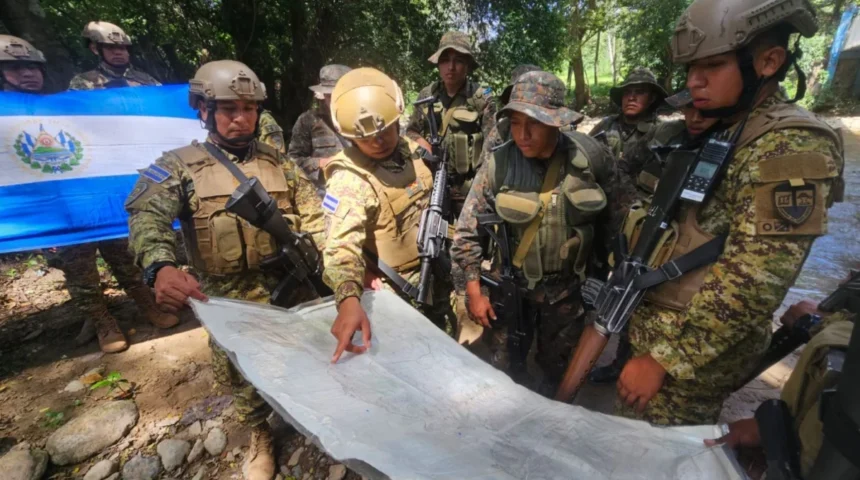
Haitian Prime Minister Alix Didier Fils-Aimé is set to visit El Salvador on November 16–17 to decide the future of 2,000 Salvadoran troops deployed in Haiti, Vice President Félix Ulloa confirmed. The high-stakes bilateral talks will take place during an international conference on democracy in San Salvador, marking a critical juncture for both nations as they evaluate whether the heavily armed Salvadoran contingent will extend its ongoing mission or officially outline a definitive withdrawal timeline.
The upcoming diplomatic summit comes amid an increasingly volatile security landscape in the Caribbean nation, where international peacekeeping and anti-gang efforts have faced persistent challenges. The military deployment currently under review was originally ordered by Salvadoran President Nayib Bukele following a dramatic escalation on October 18, 2026. On that date, a violent ambush carried out by entrenched criminal groups targeted a vehicle belonging to a UN-backed Gang Suppression Force operating in the volatile Croix-des-Bouquets area of Haiti.
The attack resulted in four Salvadoran personnel going missing, prompting an immediate and robust military response from San Salvador. Acting swiftly to protect its service members, the Salvadoran government deployed a specialized task force equipped with elite special forces units, heavily armored vehicles, and dedicated air support. This contingent plunged directly into the gang-dominated territory to execute a high-stakes search-and-rescue operation, a move that significantly raised the stakes of El Salvador’s involvement in the multinational effort to stabilize Haiti.

In the weeks following the initial deployment, Vice President Ulloa has consistently defended the mission’s tactical success, emphasizing that operations in Croix-des-Bouquets have systematically reclaimed territory that was previously ceded to ruthless criminal factions. According to the Salvadoran administration, the intervention has not only pressured local gangs but has also demonstrated the tangible effectiveness of specialized military interventions against organized crime syndicates operating in urban and semi-urban environments.
Elaborating on the strategic impact of the deployment, Ulloa pointed to the shifting dynamics on the ground, noting that the pressure applied by the Salvadoran forces has forced criminal leadership on the defensive. “As we entered the area to rescue our compatriots, we have been clearing the zone, and that is what the Haitian people and government are seeing with great satisfaction,” Ulloa stated during a recent briefing. He further highlighted that this intense military pressure directly prompted Wilson Joseph, the notorious leader of the 400 Mawozo gang, to send a letter to the United Nations requesting a truce—a development San Salvador views as a direct result of their tactical pressure.
Despite these localized successes, Vice President Ulloa was careful to contextualize the scope and ambition of El Salvador’s mission. While emphasizing that El Salvador has achieved tangible results with a fraction of the budget compared to broader multilateral efforts historically deployed to the region, he clarified that San Salvador has no intention of permanently replacing the primary UN-backed multinational force. The current deployment remains a specialized intervention primarily galvanized by the need to secure the safety of missing personnel and dismantle immediate threats in specific operational zones.
Furthermore, financial and logistical considerations remain central to the ongoing discussions between the two governments. For now, all operational costs associated with the 2,000-troop deployment remain fully covered by the Salvadoran government. As both leaderships prepare to negotiate the mission’s next phase during the upcoming democracy conference in San Salvador, the talks on November 16–17 will ultimately determine whether El Salvador will maintain its footprint in Haiti, transition the security responsibilities back to local and international coalitions, or execute a structured withdrawal.

Related News