Tragedy Strikes Off Northwestern Senegal as Migrant Vessel Capsizes, Leaving at Least 21 Dead
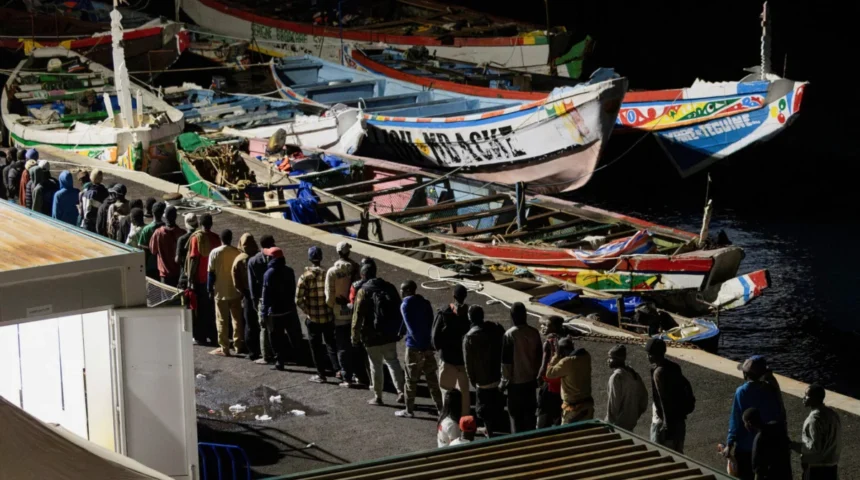
At least 21 people have lost their lives after a small boat carrying migrants and refugees capsized off the northwestern coast of Senegal, sparking an urgent ongoing search and rescue operation in the Atlantic waters.
According to an official statement released by the Senegalese Interior Ministry on Sunday, emergency responders have managed to rescue only one survivor from the treacherous waters, while recovering 21 bodies. The ministry emphasized that the reported death toll remains strictly provisional as of late Saturday, cautioning that search efforts are continuing unabated along the coastline to locate any other potential survivors or victims. Authorities have also begun coordinating efforts to provide direct assistance and support to the grieving families of those who perished in the disaster.
Local media reports and regional accounts indicate that the vessel involved was a traditional wooden pirogue—a flat-bottomed boat commonly utilized by fishermen along the West African coast, but frequently overloaded and ill-equipped for perilous open-ocean crossings. The boat capsized on Saturday off the remote Loumpoul dunes, located within the Kebemer department. This hazardous stretch of coastline sits geographically between the bustling capital city of Dakar and the historic northern city of Saint-Louis.
Initial reports from local publications, including the national newspaper Le Soleil, suggest that a significant number of the victims hailed from the Leona and Thieppe districts situated within the same administrative department. The local community has been plunged into mourning as families await definitive news regarding relatives who embarked on the ill-fated voyage.
The catastrophic sinking highlights the enduring perils of the Atlantic migration route, which has over recent years become one of the most active and lethal maritime corridors in the world. Thousands of desperate migrants and refugees risk their lives annually, setting off from various points along the West African coastline in relentless attempts to reach Spain’s Canary Islands, a Spanish archipelago off the coast of northwestern Africa that serves as a gateway to the European Union.
Data compiled by migrant rights groups underscore the devastating human cost associated with these hazardous maritime journeys. According to statistics from the migrant rights organization Walking Borders, approximately 635 people lost their lives or went missing in just the first five months of this year alone while attempting the grueling crossing from West Africa to the Canary Islands. The broader trend reflects years of escalating maritime tragedies fueled by economic hardship, lack of local opportunities, and political instability across parts of the region.
The latest maritime disaster off the coast of Senegal coincides with mounting pressure and escalating emergency conditions further along the migration route in Spanish territory. On Saturday, Spanish authorities on the Canary Island of El Hierro officially declared a formal state of emergency in response to a sharp and unprecedented surge in migrant and refugee boat arrivals.
According to figures released by local authorities on El Hierro, the island has experienced an intense influx of sea arrivals since the beginning of November alone. During this compressed timeframe, more than 3,300 individuals have successfully reached the island, disembarking from approximately 30 separate boats. This sudden and heavy volume has severely strained local reception infrastructure, emergency response teams, and humanitarian agencies operating in the Spanish archipelago, mirroring the immense logistical and humanitarian challenges confronting authorities on both sides of the Atlantic passage.
As search and rescue operations continue off the northwestern coast of Senegal, local authorities and community leaders remain focused on recovering the missing, supporting the families of the victims, and addressing the deep-seated pressures driving individuals to undertake these perilous ocean crossings.

Related News