Global Markets Tremble as Oil Surges to Five-Month High Amid Slumping Tech Stocks and Rising Inflation Fears

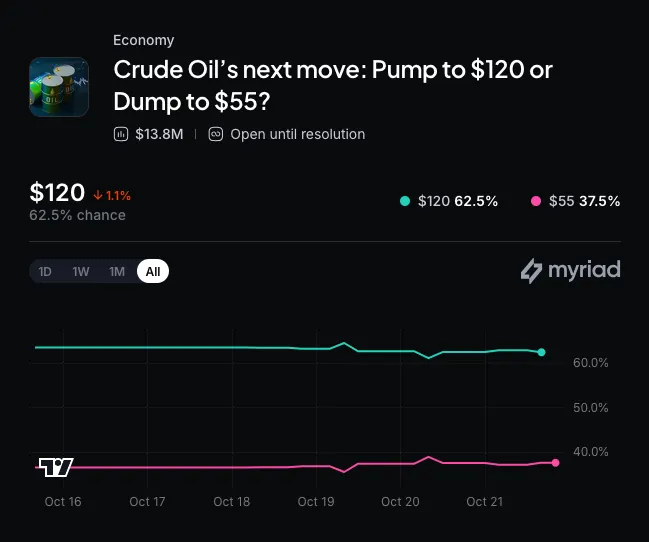
Global financial markets faced a turbulent Thursday as a sharp spike in energy prices collided with a broad sell-off across artificial intelligence-linked equities, dragging indices lower from Asia to Wall Street. Brent crude, the international benchmark for oil prices, jumped 2.6% to reach $111.66 a barrel, marking its highest level in five months. The commodity rally compounded existing anxieties over inflation and monetary policy, sending ripples through major stock exchanges and hitting technology giants hard.
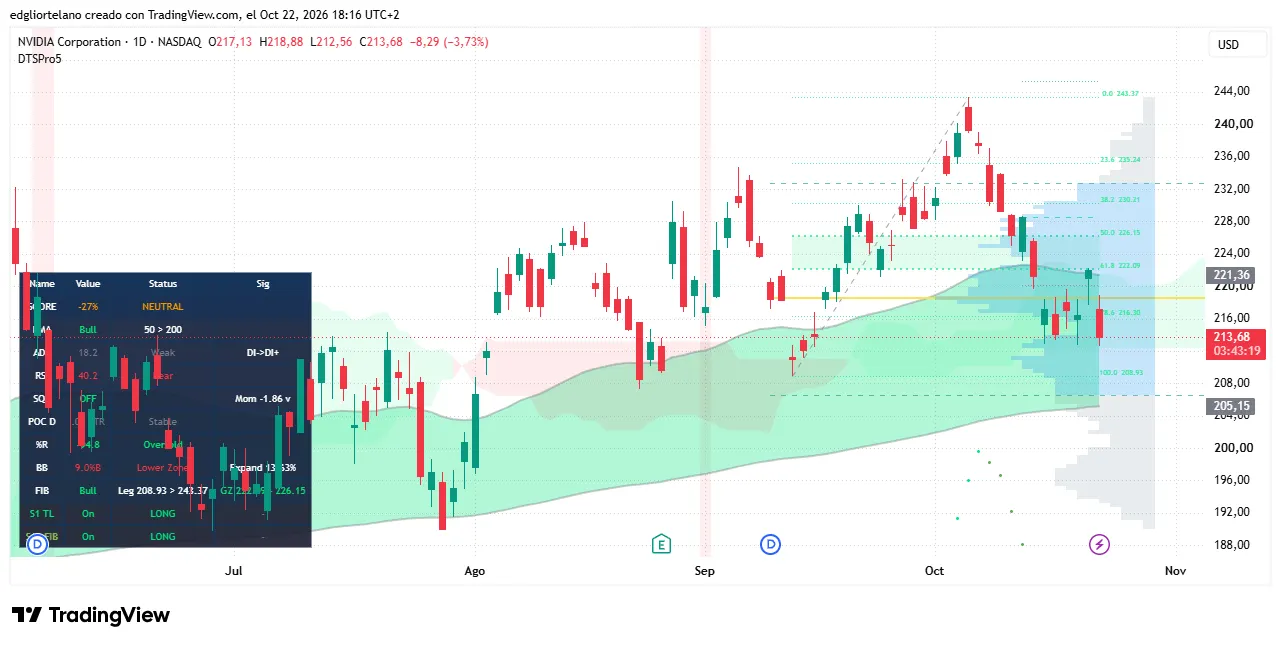
By mid-morning in New York, the technology-heavy Nasdaq index retreated 1.5%, while the broader S&P 500—which tracks 500 of the largest corporations in the United States—lost 0.8%. The downward pressure was heavily influenced by losses among market leaders in the artificial intelligence sector, particularly Nvidia. As the largest US company by market value, Nvidia saw its share price drop 2.3%. Because of its immense weight in major market indexes, Nvidia’s fluctuations directly impact the S&P 500 and, by extension, the index funds held within millions of retirement accounts worldwide.

The stock market turmoil is occurring alongside tangible economic pressures for consumers. Official data shows that gasoline prices surged 9.1% in September alone, signaling that the same energy shock rattling financial markets is rapidly translating into higher costs at the pump. This renewed inflationary push has complicated the macroeconomic outlook, forcing investors to reassess risk across multiple asset classes.
The wave of selling was not confined to Wall Street; it followed a deeply unsettling session across Asian markets. South Korea’s benchmark Kospi index fell 3.52% to close at 5,533.77, failing to hold onto a temporary recovery attempt from the previous day. The local sell-off follows a dramatic plunge on October 15, when the Kospi nosedived 7.57% in a single trading session—an event widely dubbed "Black Thursday" by domestic media. The drop was severe enough to trigger an automatic circuit breaker, a regulatory mechanism designed to temporarily halt trading and calm panic selling. Despite government and market efforts to stabilize sentiment, the Kospi remains more than 40% below its peak recorded in June.
Other major Asian indices shared the downward trajectory. Japan’s Nikkei 225 dropped 2.65%, and Hong Kong’s Hang Seng index lost 3.03%. Meanwhile, China’s CSI 300 index—which tracks 300 of the most prominent companies listed on the Shanghai and Shenzhen exchanges—officially entered a bear market, defined conventionally as a decline of 20% or more from a recent market peak.
Corporate earnings and balance sheet vulnerabilities added to the gloom in the technology and cloud sectors. CoreWeave, a firm that relies on debt financing to purchase high-end Nvidia chips which it then rents out to corporate clients via cloud infrastructure, saw its shares fall 3.8% amid mounting concerns over its debt load. Social media giant Meta plummeted 5.8% after its quarterly profit figures missed consensus analyst forecasts. Additionally, semiconductor equipment manufacturer Lam Research slid 7.7% after issuing forward guidance that pointed to profits slightly below what Wall Street had anticipated.
These corporate headwinds have amplified a growing debate over the sustainability of the artificial intelligence boom that has dominated financial markets since the widespread adoption of generative AI tools began in late 2023. Citadel founder Ken Griffin weighed in on the sector during the week, telling investors that market participants are "almost certainly" operating inside an AI bubble. Griffin compared the economics of high-end AI graphics processing units (GPUs) to airline seats, noting that once the capital expenditure is paid, the marginal cost of running them is relatively low—a dynamic that can trigger steep price collapses when market supply ultimately outruns genuine demand. While Griffin stopped short of issuing an outright sell recommendation to investors, his cautionary stance struck a distinctly contrarian chord in a market environment that has remained aggressively bullish for years.
As equity markets grapple with these headwinds, macroeconomic policymakers face critical decisions in the coming days. The United States Federal Reserve is scheduled to announce its next interest rate decision on October 28. Current market pricing indicates roughly a 15% probability of another rate hike at this meeting, with a subsequent increase in December still widely anticipated by traders. Although markets have largely priced in this trajectory, any unexpected hawkish shift or explicit rate hike would present further challenges for equities by increasing the cost of capital and borrowing.
The domestic economic calendar remains packed following the central bank’s announcement. The core Personal Consumption Expenditures (PCE) price index—a favored inflation gauge for the Federal Reserve that strips out volatile food and energy components—is scheduled for release on October 29. Shortly after, the monthly US employment report covering October payrolls will be published on November 6, providing further clarity on the health of the labor market amid ongoing economic shifts.

Related News