High-End Cruise Lines and Luxury Travel Brands Bet Big on Affluent Consumers Despite Emerging Headwinds
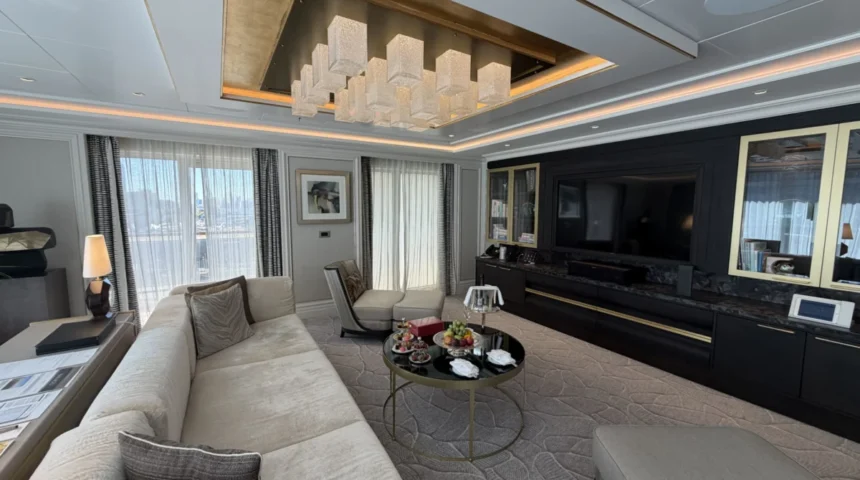
The latest push into high-end travel is taking place on the high seas, as major cruise lines increasingly lean on ultra-luxury offerings to capture growing wealth and drive robust profit margins. While massive floating resorts featuring onboard surf simulators, sprawling waterslides, and sprawling entertainment complexes can carry upwards of 7,500 passengers at a time, a different economic engine is quietly powering profits for leading cruise conglomerates: smaller, elite vessels that cater to an exclusive clientele.
On Regent Seven Seas Cruises’ Seven Seas Splendor, an all-suite, luxury-focused ship, cabins command prices ranging from $1,800 to a staggering $15,000 per night for its premier accommodation, known as the Regent Suite. The immense price tag reflects more than just the expansive 5,100 square feet of living space. The top-tier suite boasts high-end amenities including a custom Steinway piano, a private dining room for intimate gatherings, and a wraparound private deck complete with a personal hot tub and views that rival the vantage point from the ship’s navigation bridge.
The appetite for this level of unbridled luxury appears resilient. Regent reported that multiple affluent passengers vied for the Regent Suite during the Splendor’s 151-night global cruise scheduled to embark in January, noting that the ultra-exclusive accommodation is almost always occupied.
Looking ahead, Regent is setting its sights even higher. The luxury line plans to debut the Seven Seas Prestige in December, marking the introduction of its first brand-new ship class in a decade. On this upcoming vessel, the premier suite is projected to cost an extraordinary $25,000 per night, signaling management’s confidence in the enduring spending power of ultra-high-net-worth travelers.
These smaller, high-end ships—some of which accommodate fewer than a thousand passengers—are generating strong financial returns for parent companies like Norwegian Cruise Line Holdings, which owns both the Regent and Oceania luxury brands. Norwegian Cruise Line Holdings CEO John Chidsey has emphasized that his primary strategic focus involves sharpening the market positioning of these luxury assets, continuously upgrading onboard products and the overall guest experience, and strengthening their commercial performance. According to Chidsey, both Regent and Oceania are well-positioned heading toward 2027, though leadership has opted not to break out distinct financial metrics between the individual cruise lines.
The Broader Industry Pivot Toward Luxury
Competitors across the cruise landscape are similarly making massive financial bets on luxury offerings, pouring significant capital into new ship construction and highly specialized, boutique itineraries. Regent faces competition from established luxury cruise brands such as Royal Caribbean’s Silversea Cruises and Carnival Corporation’s Seabourn Cruise Line. At the same time, the market is seeing an influx of prestigious land-based hospitality names entering the maritime space. Renowned hotel and hospitality brands including Four Seasons, Aman, and Orient Express are actively introducing ultra-luxury yacht-style vessels to attract discerning travelers who prefer an intimate, yacht-like atmosphere over traditional cruise ship travel.
Industry projections highlight the rapid expansion of this niche sector. Data from the Cruise Lines International Association (CLIA) indicates that the global luxury cruise fleet is on track to expand from 104 operational ships in 2026 to at least 130 vessels by 2036.
While total global cruise passenger volume is forecast to increase by approximately 11% between 2025 and 2028, according to CLIA, the industry’s capital investment dollars are disproportionately flowing toward luxury and expedition brands. Shipyards are seeing a steady rise in orders for smaller vessels featuring fewer total berths over the coming decade, reflecting a deliberate strategic pivot by operators.
Between 2020 and 2025, CLIA data shows a 71% increase in the total number of luxury cruise ships and an 84% increase in available berths. Current order books indicate another 26% jump in the sheer number of luxury ships through the end of 2029, accompanied by a 32% increase in overall passenger capacity for the sector.
Expanding Upscale Offerings Across Travel and Leisure
The rush toward the high-end consumer is not restricted to the cruise industry. Across the broader travel and leisure landscape—spanning hotels, casinos, commercial airlines, restaurants, spas, and entertainment venues—executives are responding to a clear macroeconomic trend: affluent consumers remain consistently willing to pay premium prices for additional space, personalized service, and distinctive, memorable experiences.
Major commercial airlines are aggressively upgrading their premium cabins to capture this high-yielding demographic. This year, United Airlines launched its larger Polaris Studio suites, featuring privacy doors and caviar service to attract business and luxury leisure flyers. Similarly, American Airlines expanded its lie-flat seating capacity and reported that its premium passenger unit revenue rose by 18.5% in the third quarter, significantly outpacing the 14.4% growth seen in its main economy cabin.

Traditional hospitality giants are seeing similar patterns in consumer spending. Marriott International’s second-quarter financial results demonstrated that luxury revenue per available room (RevPAR) grew at a faster pace than the broader hotel portfolio across the United States and Canada, climbing 9.1% year-over-year compared to a 5% increase for all Marriott properties in the region. In June, Marriott CEO Anthony Capuano remarked to CNBC that there remains an "almost insatiable appetite" for high-end travel experiences among consumers.
Meanwhile, casino and resort operators catering heavily to affluent clientele have adjusted their operational strategies to protect brand exclusivity. Wynn Resorts, which focuses almost exclusively on high-end customers, opted to maintain its elevated room rates in Las Vegas even as overall tourist visitation softened over the past year, rather than discounting rooms to fill capacity with bargain-hunting travelers.
Asked onstage at the Global Gaming Expo whether Wynn is successfully extracting higher profits from a smaller volume of total customers, CEO Craig Billings explained that the company consistently prioritizes creating a comfortable environment for the guest while driving the highest possible EBITDA.
Emerging Cracks and Potential Headwinds in the Luxury Market
Despite the widespread enthusiasm and heavy investments pouring into upscale travel, offering luxury vacations does not provide an absolute guarantee of financial success. Market dynamics, shifting consumer sentiment, and execution challenges can quickly impact bottom lines.
The Ritz-Carlton Yacht Collection, for example, has encountered notable difficulties maintaining consistent occupancy rates despite aggressive marketing campaigns and high-profile launches. According to reports from the Financial Times, the luxury cruise venture has accumulated nearly $700 million in operating losses since its inception in 2017.
Furthermore, rapid expansion and an influx of new competitors into the luxury segment risk undercutting the core perception of exclusivity and scarcity. As a growing number of hospitality and travel brands introduce competing luxury products, companies face mounting pressure to convincingly prove to sophisticated travelers that their specific onboard experiences justify steep price points.
Recent economic indicators from major resort operators suggest that even high-end consumers may occasionally pull back. Las Vegas Sands reported quarterly earnings that missed consensus Wall Street expectations for both revenue and profit, weighed down by softness in its high-end gaming and hospitality segments in both Macao and Singapore.
Addressing the earnings shortfall, Las Vegas Sands CEO Patrick Dumont acknowledged that when affluent customers temporarily stay away, it creates challenges for the business. While noting that he could not pinpoint a single root cause for the recent market softness, suggesting that perhaps people are not feeling entirely confident about the broader economic climate, Dumont expressed confidence that the weaker quarter was merely an industry aberration.
Speaking further on the long-term outlook for upscale travel during the NBA China Games in Macao, Dumont addressed concerns regarding whether the luxury travel market could eventually become overcrowded. Pointing to sustained, long-term wealth creation across Asia, he emphasized that the fundamental challenge for operators is not a lack of affluent consumers, but rather the ability to curate compelling, differentiated experiences that keep travelers coming back.
The core challenge, according to industry leaders, is not simply whether there are enough wealthy customers in the global marketplace, but whether brands can continuously create an engaging set of experiences that consumers find truly indispensable in their daily lives.

Related News