Dogecoin Labs Unites MyDoge, DogeOS, and Payment Tools in Push for Utility
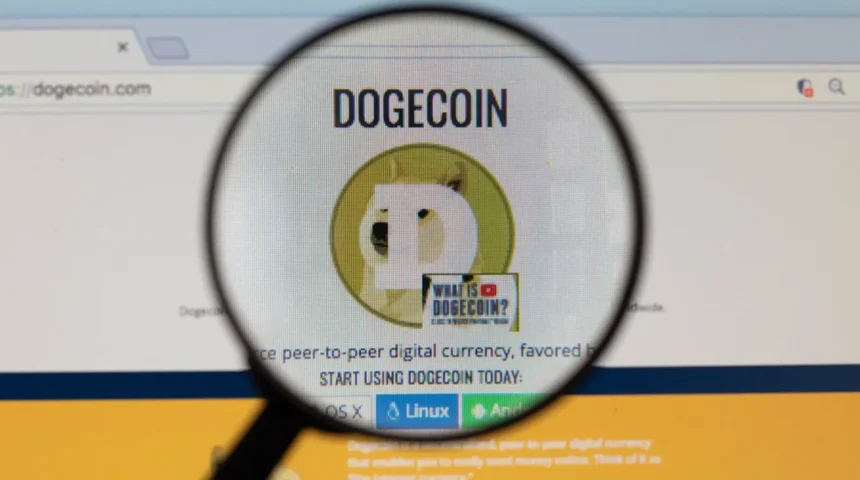
The development teams behind a prominent Dogecoin wallet, an emerging application network, and commercial merchant payment tools are officially joining forces to establish Dogecoin Labs. This strategic consolidation represents a concerted effort to transform cryptocurrency holders into active everyday consumers, creating a functional ecosystem where DOGE can be spent across various digital applications and real-world businesses.
Formed in a strategic partnership with the Dogecoin Foundation and its commercial arm, House of Doge, the newly minted Dogecoin Labs will assume ownership and operational control of key community projects, including the MyDoge wallet, DogeOS, and the merchant-focused Such App. Jordan Jefferson, the visionary founder behind both MyDoge and DogeOS, has been appointed to lead the new venture as its chief executive officer.
The establishment of Dogecoin Labs effectively connects three vital pillars of a budding commercial and transactional business ecosystem for the cryptocurrency. Under the integrated model, independent developers will build decentralized applications using DogeOS, everyday coin holders will discover and access these applications through the MyDoge wallet, and merchants will utilize Such App to seamlessly accept DOGE as a medium of exchange. The beta iteration of Such App currently supports digital invoices and in-person QR code payments, while its deeper technological integration with the DogeOS infrastructure remains in the active planning stages.
Originally created in 2013 as a lighthearted joke featuring the iconic Shiba Inu dog meme, Dogecoin has evolved into one of the oldest and most recognizable digital assets in the global cryptocurrency market. Recently trading at approximately 8.2 cents following a modest 3.9% gain over a 24-hour window, the token has historically struggled with a lack of native utility compared to smart contract platforms. The creation of Dogecoin Labs directly addresses this limitation, aiming to bridge the gap between speculative holding and practical, everyday commerce.
MyDoge reports that its user base has expanded to more than 500,000 active participants, a milestone achieved entirely through organic growth without resorting to paid user acquisition campaigns. The wallet’s recently deployed V3 software update is designed to connect users directly to the emerging suite of applications currently under construction on the DogeOS platform. However, the initial announcement did not disclose specific metrics regarding how many active wallet users have actively engaged with or tested these newly integrated applications.
As part of the structural reorganization, both the Dogecoin Foundation and House of Doge are contributing essential intellectual property and specialized development personnel to Dogecoin Labs. Moving forward, the Dogecoin Foundation will maintain its primary focus on open-source development support, community advocacy, and ecosystem outreach, while Dogecoin Labs concentrates squarely on commercial product development and expanding practical market opportunities for the digital asset.
The technological foundation of this initiative took a significant step forward when DogeOS opened its public test network, granting developers the ability to construct Ethereum-style decentralized finance infrastructure, including lending services, automated exchanges, and interactive games, utilizing test versions of DOGE. Because the core Dogecoin network handles basic coin transfers independently, these sophisticated applications operate on a distinct, separate system designed to scale transaction capabilities without congesting the main blockchain.
Despite these rapid advancements, the ecosystem still faces several developmental hurdles. Weeks after its public debut, the official user guide for DogeOS continues to list its featured applications as coming soon, reflecting the early-stage nature of the platform. Furthermore, the planned security bridge linking DogeOS directly to the main Dogecoin blockchain requires substantial additional engineering.
The long-term architecture envisions leveraging the primary Dogecoin network to independently verify cryptographic proofs ensuring that applications executed correctly on DogeOS. However, the proposed rule changes and protocol adjustments required to enable this capability remain in the draft phase. Until this decentralized security bridge is fully implemented and deployed, users must temporarily rely on a trusted set of operators and hardware selected by DogeOS to independently verify that its applications are functioning correctly and securely.

Related News