Inside the Academic Crisis: Professor Eric Kaufmann on How ‘Cultural Socialism’ Decisively Restructured Western Universities
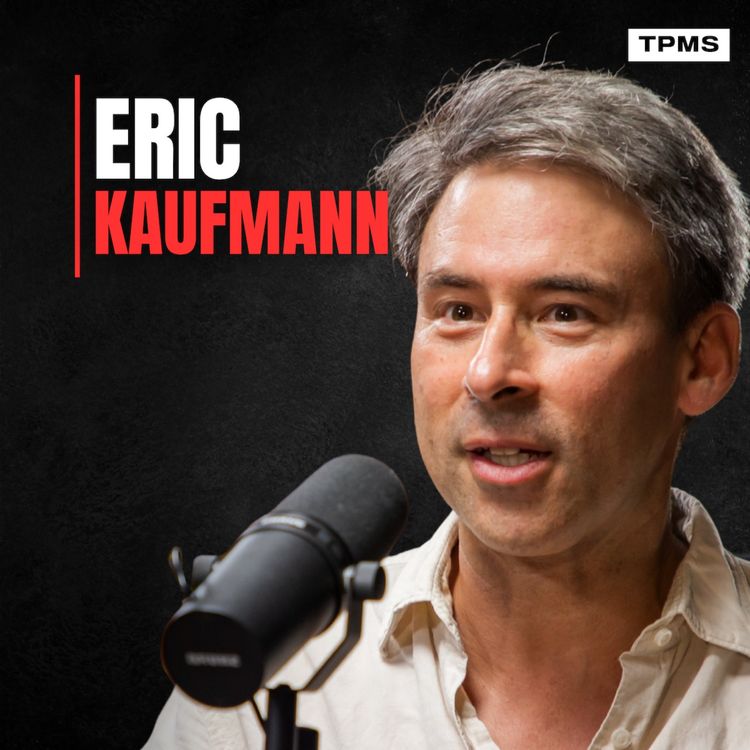
In an extensive and revealing interview on the latest episode of his podcast, host Pete McCormack sat down with prominent political scientist Professor Eric Kaufmann to dissect what they identify as a profound ideological shift within Western higher education. Kaufmann, who spent over two decades as a professor of politics studying demography, identity, and voting behaviour at Birkbeck College, recently made the high-profile move to launch the Centre for Heterodox Social Science at the University of Buckingham. Throughout the discussion, Kaufmann unpacked his central thesis: that modern universities have systematically abandoned analytical rigor and truth-seeking in favour of an ideological framework he terms "cultural socialism."
According to Kaufmann, this rising doctrine prioritises equal outcomes and emotional harm protection for marginalised groups far above traditional academic standards, objective reason, and individual merit. The conversation spans a wide array of controversial cultural and political topics, offering a critical look at how institutional capture has not only transformed university campuses but has also trickled down into primary and secondary education, reshaping the worldview of an entire generation.
The State of Modern Academia and Institutional Capture
The conversation opens with a hard look at the current state of academic research and publishing. Kaufmann points to the Jason Day scandal at Cambridge University as merely the tip of a massive institutional iceberg—a symptom of deeper systemic issues rather than an isolated incident. He discusses the growing concerns over academic integrity, fake science, and the ethical responsibilities of media outlets reporting on these controversies.
Building on these concerns, Kaufmann highlights alarming empirical evidence regarding ideological skew in scholarly output. Referencing an AI-driven meta-analysis of political social science papers, he notes that an overwhelming 90% of published research now leans heavily to the left. This massive imbalance, he argues, is the result of a gradual ideological capture by activists who have successfully altered hiring practices, peer review processes, and institutional norms over the past several decades.

Kaufmann explains the mechanisms through which activists seized control of universities, replacing traditional commitments to open inquiry with administrative structures dedicated to equity, diversity, and inclusion initiatives. These administrative priorities, in his view, have created an environment where faculty and students alike self-censor out of fear of professional reprisal or accusations of causing emotional harm through microaggressions.
Indoctrination from the Classroom to the Ballot Box
The conversation shifts from higher education to the formative stages of learning, exploring whether parents are fully aware of what their children are being taught in schools. Kaufmann presents striking figures regarding British classrooms, noting that roughly 80% of young Britons have been exposed to critical race and gender concepts during their school years, typically without encountering balancing counterarguments or alternative viewpoints.

Tracing the origins and implementation of critical race theory and related frameworks, Kaufmann examines how these concepts translate into everyday classroom environments. He argues that the institutionalisation of concepts surrounding microaggressions and enforced trauma protection has fundamentally changed how young people process conflict and disagreement.
This educational pipeline, Kaufmann suggests, plays a major role in shaping broader societal voting patterns and political alignments. When asked why voters under the age of thirty currently lean heavily toward the political left—often voting by an 80-20 margin—he attributes this trend directly to the prolonged exposure to these ideological frameworks throughout their secondary and university education.

Despite the pervasive nature of these trends, the conversation also addresses the question of whether Western societies have reached "peak woke." Kaufmann evaluates the cultural landscape to determine whether public pushback, political shifts, and emerging heterodox movements are beginning to roll back some of the more extreme ideological mandates established in recent years.
Identity, Politics, and the Rise of Populism
As the discussion progresses into the broader cultural and political sphere, Kaufmann brings his extensive background in demography and identity politics to bear on questions of national identity, immigration, and public morality. The interview touches on complex debates surrounding British identity, examining public reactions to high-profile figures such as former Prime Minister Rishi Sunak and the broader psychological triggers fueling the global rise of populism.

Kaufmann explores the ongoing cultural and political friction surrounding white British identity, demographic shifts, and how changing populations influence national cohesion. He argues that addressing these topics has long been hindered by an entrenched anti-racism taboo that prevents open, empirical discussion on immigration and integration. Furthermore, he analyses why a growing segment of minority voters is beginning to align with right-wing political views, challenging monolithic assumptions about minority voting behaviour.
The interview concludes with a look at potential pathways forward. Kaufmann discusses the prospects for rebalancing public morality, achieving the first major institutional losses for ideological activism, and leveraging political power to reform compromised systems. By championing the heterodox science movement through initiatives like the Centre for Heterodox Social Science at the University of Buckingham, Kaufmann remains focused on restoring ideological diversity, free expression, and empirical truth-seeking to the heart of academic life.

Related News