The Rise of the One-Person Company: Fernando Nikolic on AI, the "SaaS Apocalypse," and the New Economic Elite
The rapid democratization of software development is fundamentally reshaping the modern economy, giving rise to a new class of enterprises operated by a single human being. In a recent episode of his podcast, host Peter McCormack sat down with technologist and entrepreneur Fernando Nikolic to explore the profound productivity explosion sparked by advanced artificial intelligence, the collapse of traditional software moats, and what the future holds as building software becomes universally accessible.
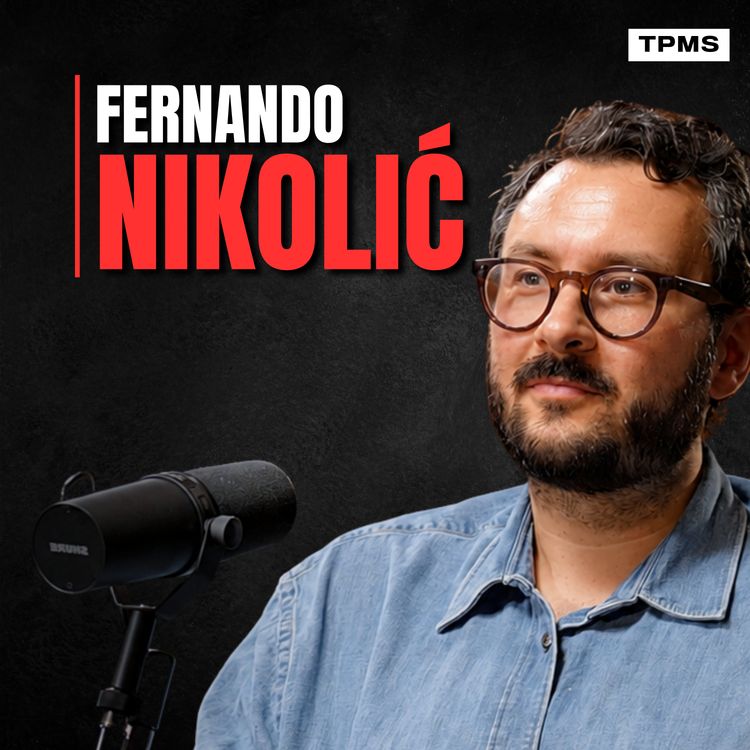
At the core of the discussion is a dramatic shift in organizational structure. Nikolic shared firsthand insights into how he currently operates his own company as its sole human employee. By leveraging sophisticated AI agents to architect internal systems, process complex data streams, and manage day-to-day operations, Nikolic is able to execute tasks at an operational scale that historically demanded substantial venture capital, specialized infrastructure, and a multi-person team.

The conversation highlighted how advanced language models and developer ecosystems—specifically mentioning tools like Claude and Gemini—have transformed the barrier to entry for building digital products. The phenomenon of "vibe coding" and the deployment of autonomous AI agents have effectively lowered the cost of creation, rendering front-end coding as traditionally understood almost obsolete. When anyone can articulate a vision and have an AI agent generate functional systems in real time, the traditional competitive advantages held by legacy software companies evaporate.

This dynamic is steering the tech industry toward what Nikolic and McCormack termed the "SaaS apocalypse." For decades, Software-as-a-Service businesses relied on proprietary codebases, expensive engineering teams, and high switching costs to maintain market dominance. However, as AI tools enable businesses and individuals to custom-build internal tools tailored precisely to their workflows within hours rather than months, the economic rationale for subscribing to generalized third-party software packages begins to collapse.
Yet, this surge in digital abundance introduces complex societal and cultural challenges. The conversation turned to the double-edged sword of AI-generated content, often disparaged as digital "slop," which threatens to overwhelm the internet with low-quality, mass-produced media. Both speakers pondered whether the proliferation of artificial intelligence will ultimately alienate humans or prompt a renewed appreciation for genuine creativity, physical media, and tangible human connection. As the internet increasingly floods with automated output, the question of maintaining authenticity in art, film, and culture becomes paramount.

Beyond corporate structures and creative industries, Nikolic and McCormack examined the macro-economic and political implications of the AI revolution. They discussed the widening gap between productivity and traditional labor models, touching upon broader themes of abundance, economic inequality, and the emergence of a new economic elite. Nikolic offered reflections on political accountability in the digital age, touching upon structural reforms in Javier Milei’s Argentina and exploring how AI could theoretically be weaponized for unprecedented political accountability. The discussion eventually broadened into global monetary philosophy, with Nikolic explaining his perspective on why he has embraced a deeply skeptical, "Bitcoin black-pilled" view of traditional fiat systems amidst accelerating technological and economic disruption.

Throughout the extensive interview, the underlying narrative remained clear: the tools of creation are no longer locked behind gates of capital and specialized technical training. As the friction of building dissolves, the shape of the enterprise is permanently altered, leaving individuals empowered to wield the productive capacity of entire organizations—and forcing a fundamental reckoning for the global economy.

Related News