Instagram’s Bold Pivot: Testing 90-Minute Videos in a Challenge to YouTube’s Long-Form Monopoly
If you could wave a magic wand and secure one million followers on any social media platform of your choice, the correct strategic answer has long been YouTube—assuming, of course, that your primary goal is to get paid for your creative work. While platforms like Instagram and TikTok have spent the better part of the 2020s defining the internet through short-form, vertical video content, their monetization infrastructure has notoriously lagged behind.
YouTube’s payment model, anchored by the lucrative YouTube Partner Program, remains wonderfully straightforward: ads are placed on videos, and participating creators pocket 55% of the resulting ad revenue. The numbers speak for themselves, with the Google-owned video giant revealing that it paid out more than $100 billion to creators, artists, and media companies over a recent four-year span.
By contrast, short-form video has always been inherently trickier to monetize directly. Because there is significantly less physical room to insert advertisements into a 15-second or one-minute clip, platforms like Instagram and TikTok have struggled to replicate YouTube’s reliable, per-view revenue streams. As a result, many digital creators have historically treated their short-form profiles less as standalone revenue drivers and more as high-powered promotional funnels designed to steer audiences toward their primary YouTube channels.
However, that long-standing dynamic could be radically upended. In a notable shift in strategy after years of aggressively pursuing short-form content across the entire social media ecosystem—even inspiring LinkedIn to experiment with a TikTok-like video feed—Instagram is changing direction. The Meta-owned platform announced a major test allowing creators to upload "Features," a new video format supporting uploads up to 90 minutes long.
The move marks a fascinating about-face for Instagram, which previously dipped its toes into the long-form arena eight years ago with the ultimately defunct IGTV. At the time, the experiment failed to capture sustained creator or audience momentum. But this time around, Meta is positioning the shift not as a replacement for its bread-and-butter short-form format, but as a complementary ecosystem designed to capture users across the entire entertainment spectrum.
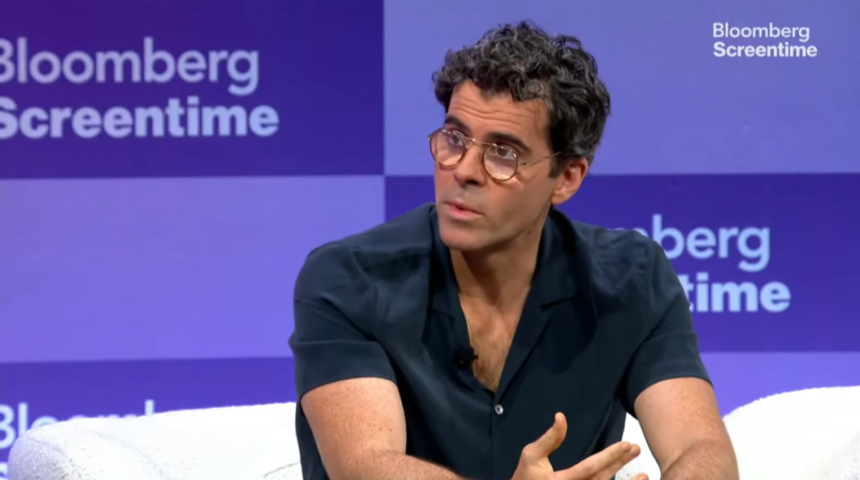
Adam Mosseri, the head of Instagram, addressed the strategic pivot during an appearance on the creator economy interview show, the Colin and Samir Show, explaining the complex economic realities platforms face when compensating creators. According to Mosseri, creators generally have three avenues to get paid: directly by the platform, directly by their fans, or directly by brands.
"And right now, the way that it works on Instagram primarily is you primarily get paid by brands. Some people get paid by fans. We have still a small performance-based program, but… we spend more money than we make back by a long shot, and so it doesn’t really make sense to scale up because we’re just burning capital," Mosseri explained.
Because Instagram does not traditionally pay creators on a per-view basis the way YouTube does, its monetization tools—such as fan subscriptions—have remained secondary to brand deals arranged outside the platform’s direct infrastructure. But with the introduction of 90-minute "Features," the lingering question across the digital media landscape is whether Meta might eventually introduce robust advertising to these long-form uploads, thereby allowing Instagram to meaningfully compete with the YouTube Partner Program for the very first time.
When asked whether Meta plans to integrate ads into these extended videos to rival YouTube’s revenue-sharing model, a Meta spokesperson offered a measured response to industry inquiries.
"It’s too early to share a long-term monetization model, but we’re exploring ways for creators to earn from brands, fans, and Instagram, including performance-based incentives," the spokesperson stated. "Over time, we think there will be compounding benefits for creators to tell new stories, reach new audiences, and find new partners, which should lead to many monetization opportunities."

While the response stops short of confirming a direct ad-revenue sharing program akin to YouTube’s, it leaves the door wide open for future economic integration.
In a video announcement detailing the update, Mosseri admitted that he had personally been resistant to bringing long-form video back to Instagram for a long time, noting that shorter content naturally drives higher volumes of shares and direct messages among users. However, Instagram VP of Product Tessa Lyons ultimately convinced leadership to give the format another serious try.
"For a long time, I have been against doing long-form video on Instagram," Mosseri acknowledged.
Lyons echoed that sentiment in the announcement, emphasizing that user behavior demands a space for deeper engagement. "Reels is still going to be a core part of Instagram. But when you want to go deeper with the creators you love and the content that they’re creating, you should be able to do that on Instagram," Lyons said.
In essence, Instagram is attempting to solve a retention problem. The platform would much rather keep fans within its own walled garden to enjoy both bite-sized clips and substantive, long-form storytelling from their favorite creators, rather than watching those audiences migrate over to YouTube when they want to watch longer content.
To bridge the gap between formats, Instagram is testing a companion feature called "Clips as Reels." This tool allows creators to easily slice highlights out of their long-form uploads and publish them as Reels, which then serve as interactive links driving viewers back to the full-length video. Furthermore, the platform is designing the experience so that users can save longer videos to watch later through the Instagram app on their home television screens.
The initial rollout is starting deliberately. Instagram is currently testing "Features" and "Clips as Reels" in Brazil before expanding to a small-scale test in the United States. Concurrently, the platform is working on enhanced discovery features for Live video alongside a dedicated profile hub for episodic Reels—a feature functionally similar to TikTok’s playlist system, allowing creators to organize connected videos into structured series.
Reflecting on the overarching technical and strategic vision, Mosseri emphasized the symbiotic nature of the new initiative. The goal, he noted, is to make short-form and long-form video work hand-in-hand to serve both creators and viewers.
"The thing that the team has been working on that we’re excited to share with you is trying to make it so that the short-form and the long-form video can be symbiotic," Mosseri said. "We’re going to try to support these different types of formats, both in the mobile app, but also on the TV app, which I think is… going to take some time to get right. But I’m actually very excited about it, and we’re very committed to it long term."

Related News