Spanish Athletics Mourns Loss of Long Jumper Julieta Gallego in Devastating Train Collision
The Royal Spanish Athletics Federation has expressed its profound condolences following the tragic death of 24-year-old long jumper Julieta Gallego, who was among the victims of the catastrophic train collision in Spain’s Toledo province that claimed the lives of at least 68 people.
The disaster, which unfolded on Wednesday on a high-speed rail line connecting Madrid to southern Andalusia, has sent shockwaves through the country’s sporting community and the nation at large. Gallego, a dedicated and well-respected athlete who competed for the Madrid-based AD Sprint club, was widely known within domestic track and field circles as a passionate competitor who frequently participated in Spain’s competitive club championships.
"The Spanish athletics family joins in the grief over the passing of Julieta Gallego, athlete of AD Sprint, in the train accident that occurred in Urda (Toledo)," the Royal Spanish Athletics Federation, known by its Spanish initials RFEA, said in a formal statement released on Thursday on the social media platform X. In their public message, federation officials offered their unwavering support to her grieving family, friends, and club teammates during what they described as an unimaginably difficult time.
Gallego had carved out a respectable athletic career for herself within the Spanish sporting circuit. Specializing in the long jump, she was a regular presence at regional and national club fixtures, consistently striving to push her personal limits. Her personal best in the event stood at 5.90 meters, a mark of 19.4 feet that she successfully recorded in the southern town of Antequera during the 2023 season. Her dedication to the sport and her presence within the AD Sprint community left a lasting impression on those who trained alongside her.
The loss of the young athlete deeply affected the leadership of Spanish athletics. Raul Chapado, president of the RFEA, shared his heartbreak over the tragedy in an interview with the prominent Spanish newspaper ABC.
"There are blows that strike at the very heart of the athletics family," Chapado told ABC. "Today, the sport mourns the passing of Julieta, a life ahead of her that has been unjustly extinguished."
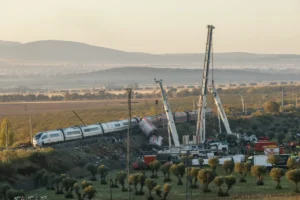
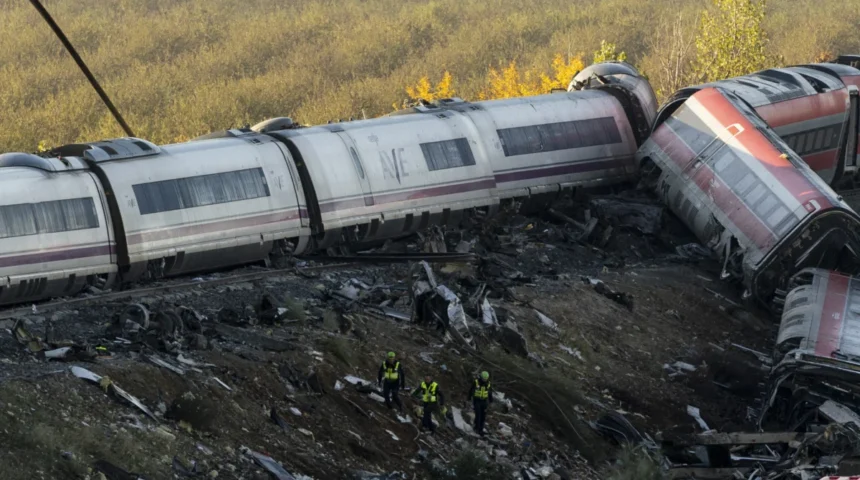
The fatal incident in Toledo province represents the second deadly rail accident to strike the heavily traveled line connecting Madrid to Andalusia in less than a year. According to authorities, the catastrophe occurred when two high-speed trains collided on Wednesday under circumstances that remain a central focus of ongoing investigations. The frequency of major incidents on this crucial transport corridor has immediately drawn intense public scrutiny and heightened grief across Spain.
In the wake of the collision, local and regional authorities mobilized massive emergency responses to manage the disaster scene, assist the survivors, and account for the casualties. Emiliano Garcia-Page, president of the Castilla-La Mancha regional government, provided grim updates on the human toll, confirming that at least 68 people lost their lives in the crash.
Furthermore, Garcia-Page reported that approximately 80 individuals sustained injuries of varying severity. Among the injured, about 50 people were classified as being in serious condition, while another 15 were listed as critical, placing an immense strain on regional medical infrastructure.
Emergency services worked through harrowing conditions at the crash site in Urda. The most seriously injured victims were swiftly transported via ambulances and emergency medical helicopters to specialized hospitals located both within the Castilla-La Mancha region and the capital city of Madrid to receive urgent, high-level medical care.
For other passengers who sustained less severe injuries or required immediate medical assessment, emergency response teams established a triage center at a nearby sports hall close to the crash site. At this makeshift facility, medical personnel systematically sorted the survivors based on the severity of their injuries before clearing them to return home or transferring them onward to local hospitals for observation and treatment.
Eyewitness accounts and reports from local media outlets painted a vivid and distressing picture of the immediate aftermath at the scene. Survivors who received treatment near the crash site bore visible physical trauma, presenting with head wounds, facial swelling, and bloodied clothing. Many of the passengers were left in a state of shock, appearing dazed and disoriented as emergency personnel rushed around them to provide comfort and medical aid in the chaotic hours following the disaster.
As the nation continues to reckon with the magnitude of the tragedy, tributes continue to pour in for the victims of the collision, with the memory of Julieta Gallego remaining a poignant symbol of the sudden and profound loss felt across the Spanish sports community.

Related News