Houthi Forces Launch Wave of Drone and Missile Attacks Across Saudi Arabia Despite High-Level Tehran Peace Talks
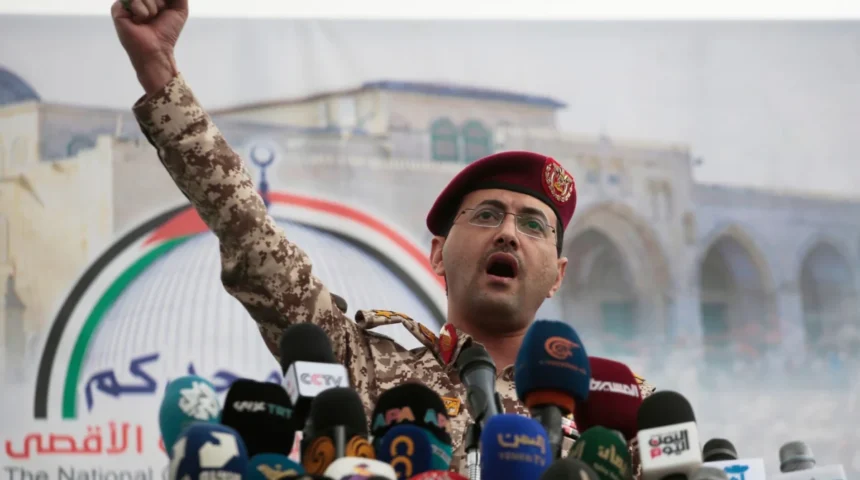
Iran-backed Houthi forces have claimed responsibility for a sweeping series of coordinated attacks targeting vital airports and major oil infrastructure across Saudi Arabia. The aggressive military escalation comes despite a rare and high-profile diplomatic meeting in Tehran earlier this week, during which senior officials from regional powers agreed to resolve ongoing territorial and political differences through constructive dialogue rather than armed conflict.
The renewed wave of cross-border hostility highlights the severe challenges facing regional diplomats attempting to stabilize a fractured geopolitical landscape. Saudi Arabia, Turkiye, and Pakistan had all dispatched high-level delegations to Tehran in an effort to de-escalate tensions. However, despite the optimistic statements and cooperative rhetoric that emerged from those diplomatic sessions, Houthi fighters have pressed forward with aggressive military operations, launching a barrage of missiles and drones directed at the Saudi kingdom as well as Saudi-backed military positions stationed inside Yemen.
According to an official statement published by Houthi military spokesperson Yahya Saree on the social media platform X, the targeted sites encompassed critical commercial and military infrastructure stretching from Saudi Arabia’s eastern and western coastal regions all the way to the capital city of Riyadh and the southern border province of Najran. The broad geographical spread of the strikes underscores an intent to maximize psychological and economic disruption across multiple strategic sectors of the kingdom.
In his detailed breakdown of the operations, Saree claimed that Houthi forces executed precise strikes using advanced ballistic missiles and unmanned aerial vehicles. Among the primary targets specified in the announcement were the sprawling Ras Tanura oil refinery situated on the kingdom’s Gulf coast, a major Saudi Aramco industrial facility located in Abqaiq, multiple ballistic missile salvos directed at King Khalid International Airport in Riyadh, a drone strike aimed at King Fahd International Airport in Dammam, a ballistic missile targeting the Rabigh oil refinery on the Red Sea coast, and a key Saudi military headquarters operating within the southern Najran region.
Despite the extensive nature of the claims made by the Houthi leadership, independent corroboration of these specific strikes from international monitors or neutral observers remains unavailable.
Tehran Talks
The dramatic escalation in combat operations stands in sharp contrast to the intensive diplomatic engagements held earlier in the week, which were specifically designed to tamp down flaring regional tensions. Those tensions have particularly fueled the protracted cross-border conflict pitting Houthi forces against the Saudi-led coalition in Yemen.
High-ranking representatives from Iran and members of the Mecca defense alliance—including Turkiye, Saudi Arabia, and Pakistan—concluded a crucial round of diplomatic consultations in Tehran on Monday. An official Iranian press release, distributed via the Fars news agency at the conclusion of the talks, stated that all participating parties had agreed to continue sustained discussions aimed at strengthening strategic cooperation between the four regional nations.
The high-stakes meeting was officially hosted by Iran’s security chief, Mohsen Rezaei. The gathering drew an influential roster of regional security figures, including Saudi Defence Minister Prince Khalid bin Salman, Pakistan’s army chief General Asim Munir, and Turkish intelligence chief Ibrahim Kalin. According to the official joint statements released after the sessions, the primary agenda focused squarely on securing long-term peace and stability across the wider region.
For its part, the Saudi Ministry of Foreign Affairs emphasized the vital importance of maintaining open channels of communication and negotiation to preempt any potential return to active military escalation. Saudi diplomats reiterated that constructive dialogue remains the most viable path toward achieving lasting security along the kingdom’s porous and volatile southern frontier.
However, the fragile nature of these diplomatic overtures was starkly exposed on Thursday when the Saudi-led coalition announced that its sophisticated air defense systems had successfully intercepted and destroyed two ballistic missiles launched by Houthi forces directly toward the Saudi capital. Coalition spokesman Turki al-Maliki confirmed the interceptions, noting that defensive measures were deployed rapidly to protect populated areas.
The fallout from the aerial interception was swift. According to a spokesperson for Saudi Arabia’s Civil Defence agency who spoke to the state-run news agency, falling shrapnel originating from the intercepted missiles struck a residential area in Riyadh, resulting in injuries to one Saudi citizen. The falling debris also caused visible structural damage to a residential home and a nearby vehicle, illustrating the persistent physical dangers posed by the ongoing cross-border aerial assaults.
Prior to the official announcement of the successful interceptions, emergency warning alerts warning of incoming potential airborne threats had been broadcast across multiple population centers, including the Riyadh and al-Kharj governorates, as well as the southern city of Najran, prompting residents to seek shelter as air defense batteries engaged the incoming projectiles.
The deteriorating security situation has also triggered urgent appeals from other regional actors affected by the conflict. Earlier on Thursday, the internationally recognized government of Yemen issued a formal statement urgently calling upon the United Nations Security Council to implement immediate and stringent deterrent and punitive measures. The Yemeni government stressed that decisive international action is required to halt ongoing Houthi attacks directed at vital civilian infrastructure, specifically pointing to repeated threats and assaults targeting Aden International Airport.

Related News