Braiins and Enel North America Launch Energy Intelligence to Optimize Bitcoin Mining Power Consumption
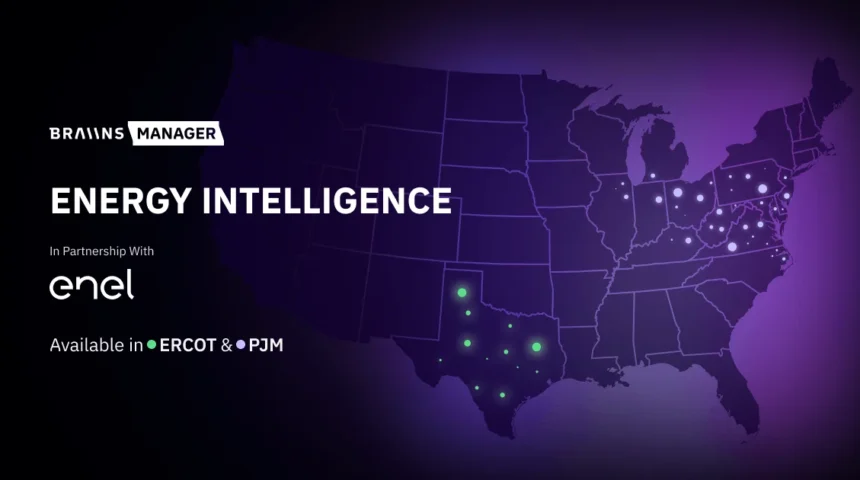
Braiins has officially announced the launch of a new product called Energy Intelligence, seamlessly connecting Braiins Manager with Enel North America’s advanced demand response market access and energy expertise. The strategic integration is designed to help industrial-scale bitcoin mining operators navigate volatile power markets by avoiding costly energy peaks, earning additional revenue from demand response participation, automating load curtailment, and managing complex energy events through the exact same software stack they already rely on to oversee their day-to-day fleet operations.
Energy is widely recognized as one of the single largest variable costs impacting the profitability of bitcoin mining operations. When wholesale electricity prices spike unexpectedly during periods of peak demand, or when operators fail to execute curtailment decisions swiftly enough, profit margins can be eroded almost instantly. However, cryptocurrency mining sites possess a distinct and powerful structural advantage over many traditional industrial loads: they have the unique ability to scale down or completely halt their electricity consumption significantly faster than standard manufacturing or heavy industrial facilities. Energy Intelligence has been purposefully built to empower operators to capitalize fully on this inherent operational flexibility.
Why Flexible Load and Energy Intelligence Matter in Modern Mining
The economics of running an ASIC mining facility have evolved past simple hardware efficiency and hashrate optimization. Power management has taken center stage as grid congestion grows and energy markets face unprecedented volatility. Energy Intelligence addresses these complex market dynamics by focusing on three primary value drivers that fundamentally improve site-level economics for operators navigating regional transmission organizations.
The first major value driver is coincident peak avoidance. In many competitive electricity markets, transmission and capacity charges are heavily influenced by system-wide peaks. By intelligently reducing power consumption during forecasted peak windows, operators can protect themselves from disproportionately high transmission cost allocations that often linger on utility bills for months.
The second value driver is direct demand response revenue. Through its partnership with Enel North America, Braiins can now bring flexible mining loads directly into active demand response and ancillary services markets, specifically targeting major grid operators such as ERCOT in Texas and PJM in the Eastern United5 States. This integration allows participating mining sites to monetize their inherent flexibility by offering curtailment capacity when the broader grid requires load relief, turning downtime into a lucrative revenue stream.
The third pillar is peak-price avoidance. Energy Intelligence actively monitors both day-ahead and real-time market pricing signals. By tracking these metrics continuously, the software can automatically curtail mining operations before an aggressive price spike turns otherwise profitable hashrate into economically ruinous energy consumption.
Together, these three value drivers form a concrete and measurable business case for industrial operators. Based on extensive historical data from the ERCOT market, Braiins estimates that the combined financial impact could yield a total annual revenue and savings enhancement ranging from $86,000 to $166,000 per megawatt per year.
Reducing Operational Complexity Through Unified Management
Historically, executing manual curtailment protocols has been a viable way to protect a mining site from catastrophic energy bills, but managing the process effectively at a large commercial scale presents immense operational hurdles. Facility managers are constantly forced to monitor fluctuating power prices, decipher complex peak weather forecasts, track individual fleet performance metrics, coordinate site-level hardware decisions, and carefully ramp mining operations back up the moment market conditions normalize.
Energy Intelligence addresses and significantly reduces this operational complexity by effectively bridging the gap between the energy market side and the mining control layer. Enel North America handles the complex regulatory access, market participation strategies, and energy expertise required to navigate the grid, while Braiins manages the underlying machine control layer through Braiins Manager.
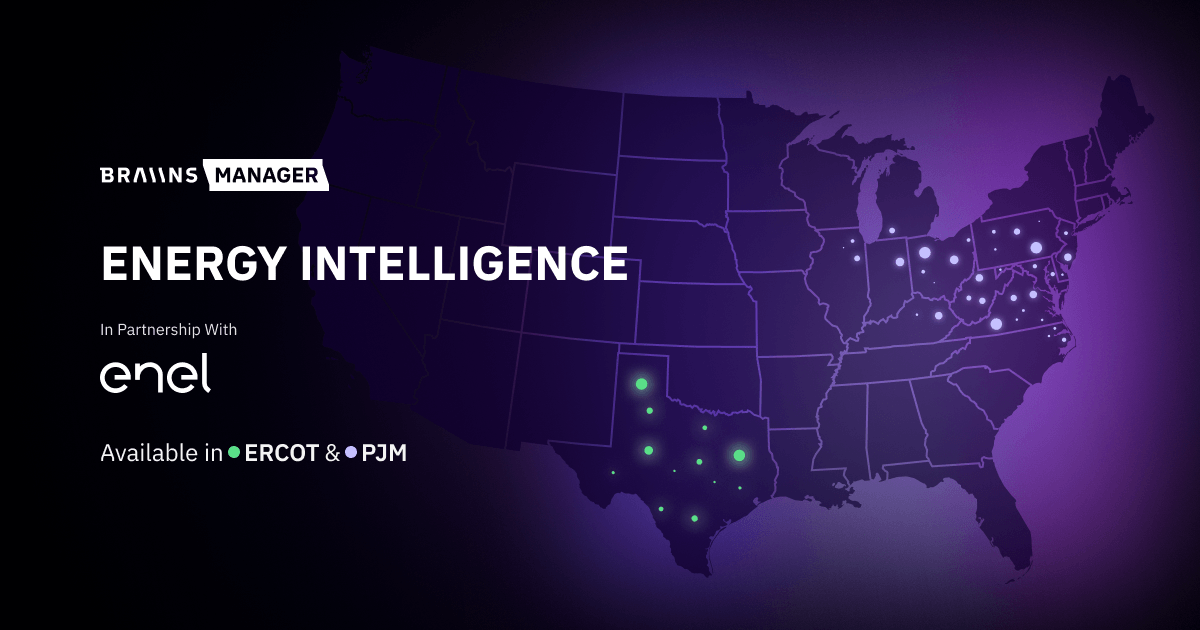
This integration provides operators with a unified interface and a single dashboard for executing energy-aware mining operations. Rather than forcing teams to juggle disparate energy management software alongside their mining dashboards, the platform streamlines the entire workflow into a cohesive operational environment.
Predictable SaaS Pricing Built Specifically for Bitcoin Mining
The commercial model behind Energy Intelligence has been structured to ensure predictability for operators. The product utilizes a flat Software-as-a-Service (SaaS) pricing model, where a single subscription covers both the core Braiins Manager software features and the comprehensive demand response participation services provided in collaboration with Enel North America.
This straightforward financial structure allows mining enterprises to plan their software and overhead costs upfront. Meanwhile, all the direct financial savings and demand response revenues generated by the site flow directly back into the mining operation without complicated revenue-sharing penalties that eat into user upside.
Furthermore, the product recognizes that bitcoin mining is fundamentally distinct from generic industrial power consumption. Mining facilities run specialized, highly sensitive hardware, must continuously calibrate their operational profitability around fluctuating bitcoin prices and network difficulty adjustments, and operate under diverse site conditions across a wide variety of ASIC models and firmware setups.
Because of these unique industry demands, Energy Intelligence was not designed as an isolated, generic energy management product. Instead, it is deeply embedded directly into the native Braiins mining stack, naturally extending the capabilities of Braiins Manager from routine fleet monitoring and hardware control into active, real-time energy market participation.
Strengthening the Public Narrative Around Grid Reliability
Beyond immediate site profitability, the deployment of intelligent, flexible load management offers broader systemic benefits for energy grids. Flexible bitcoin mining loads possess the rapid response times necessary to assist grid operators during periods of severe stress, offering a stabilizing buffer when power demand threatens to outpace supply.
This capability helps foster a more constructive public narrative around the role of bitcoin mining in modern energy infrastructure. By demonstrating that mining operations can act as responsive, cooperative participants in regional energy markets—curtailing power usage when electricity is scarce and valuable to the wider community—the industry highlights its practical utility as a dynamic load resource.
The introduction of Energy Intelligence highlights the growing importance of a unified software stack. By giving operators a direct path from machine-level performance telemetry to site-level economic decision-making, energy programs are no longer managed in isolation from the hardware, firmware, and operational workflows that ultimately dictate mining profitability.
Through the broader Braiins ecosystem—where Braiins Manager integrates energy decisions into daily fleet operations, Braiins OS provides granular machine-level tuning where supported, and Braiins Pool keeps revenue performance aligned with business objectives—operators are now equipped to treat power management as a core component of mining operations rather than an external variable handled outside the control room.

Related News