SEC Charges Foreign-Operated Companies in $130 Million Crypto Investment Fraud Utilizing Falsified Federal Filings
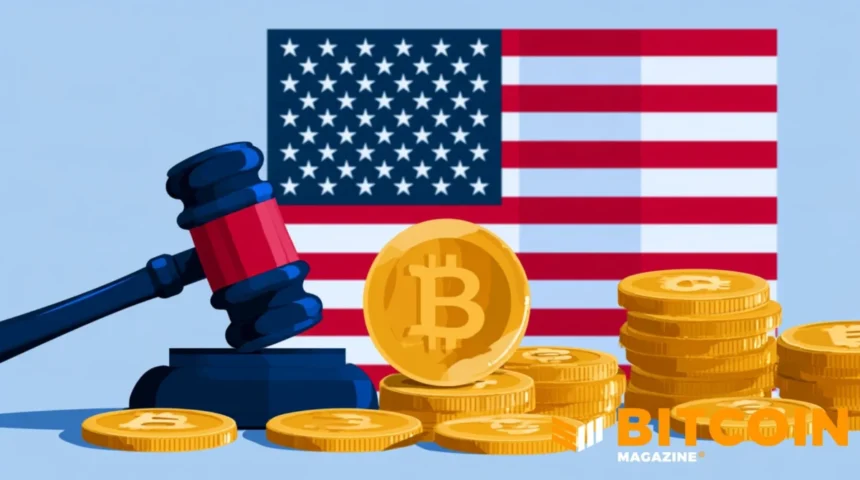
The U.S. Securities and Exchange Commission has taken decisive enforcement action against two foreign-operated, Colorado-incorporated entities, charging them with orchestrating a massive cryptocurrency investment fraud. According to federal regulators, the scheme exploited false regulatory filings to project an image of legitimacy, successfully raising more than $130 million from tens of thousands of unsuspecting retail investors across the United States.
The legal action targets two primary defendants: BG Wealth Sharing Ltd. and DSJ Exchange Pty Ltd. A comprehensive complaint filed in the U.S. District Court for the Northern District of California outlines a coordinated operation that allegedly ran from at least October 2025 through June 2026. During this period, the companies systematically targeted retail participants, enticing individuals residing in more than 40 states and several U.S. territories to enroll in what was heavily marketed as a lucrative "wealth-sharing program."
Participants in the program were lured with the promise of risk-free financial returns. The defendants claimed these consistent profits would be generated through proprietary trading signals designed for cryptocurrency asset markets. To substantiate these bold claims and foster a deep sense of security among prospective contributors, the operators constructed an elaborate facade of regulatory compliance and corporate prestige.
According to details outlined in the official SEC complaint, BG Wealth aggressively marketed itself as the largest hedge fund in the world. Furthermore, the firm falsely asserted that it was officially registered with the Securities and Exchange Commission as an investment adviser. To complete the illusion of a secure, institutional-grade ecosystem, BG Wealth claimed it had formed a strategic partnership with a fully licensed and secure cryptocurrency trading platform known as DSJ Exchange.
The SEC’s investigation, however, revealed that none of these assertions held any truth. The regulatory agency asserts that the companies manufactured their credentials entirely, most notably by submitting false Form ADV and Form D filings directly to the commission. These fraudulent documents were published and made viewable on the agency’s public website, allowing the defendants to actively direct prospective investors to official government web pages as supposed proof that the firms possessed state-sanctioned licenses and full federal approval.
Laura D’Allaird, chief of the SEC Enforcement Division’s Cyber and Emerging Technologies Unit, shed light on the sophisticated mechanics of the operation during a public statement regarding the enforcement action.
SEC: Crypto Scheme Was ‘A Ponzi-Like Tactic’
Detailing the scale and execution of the fraud, D’Allaird emphasized the meticulous planning behind the enterprise. "This alleged scheme was well-planned," she stated, pointing to the multifaceted outreach strategy deployed by the fraudsters.
The defendants leveraged a wide array of modern communication tools to build trust and maintain engagement with their victims. This included active promotion across various social media channels, dedicated encrypted messaging groups, weekly live videoconferences designed to mimic professional corporate briefings, and a proprietary mobile application tailored for investor interaction.
To further pacify anxious participants and encourage continued deposits or the recruitment of new members, the complaint alleges that the defendants displayed fake certificates bearing the official seal of the Securities and Exchange Commission. In classic fraudulent fashion, the operators made periodic, calculated payments to select early investors—a maneuver that D’Allaird explicitly characterized as "a Ponzi-like tactic." Meanwhile, the vast majority of the remaining investor capital was systematically misappropriated by the operators for unauthorized personal and corporate uses.
In response to these activities, the SEC has formally charged both corporate entities with violating the core antifraud provisions established under the Securities Act of 1933 and the Securities Exchange Act of 1934. Additionally, BG Wealth has been specifically charged with violating Sections 204(a) and 207 of the Investment Advisers Act of 1940.
To address the violations and protect the broader financial ecosystem, the regulatory agency is pursuing significant legal remedies. The SEC is asking the court to impose permanent injunctions, order full disgorgement of ill-gotten gains alongside prejudgment interest, and levy substantial civil penalties against both companies. Furthermore, the agency is seeking targeted, conduct-based injunctions specifically against BG Wealth to prevent any future participation in similar financial offerings.
Following the detection and exposure of the fraudulent filings, the compromised Form ADV and Form D documents have been promptly removed from the official SEC website.
The widespread nature of the fraud has also prompted broader warnings from regulatory authorities. The SEC’s Office of Investor Education and Assistance has issued formal investor alerts warning the public that bad actors are increasingly attempting to exploit exempt reporting adviser filings. By manipulating these official channels, scammers seek to create a misleading and false impression of institutional legitimacy to trap inexperienced participants.
Federal and state regulators continue to urge retail participants to exercise extreme caution and to proactively verify the professional background of any individual or entity offering or selling cryptocurrency investments by utilizing official verification portals such as Investor.gov.
The successful investigation and subsequent enforcement action against BG Wealth Sharing Ltd. and DSJ Exchange Pty Ltd. required extensive cross-jurisdictional cooperation. The SEC formally acknowledged the critical assistance it received from a broad coalition of regulatory bodies, including the Alberta Securities Commission, the Hawaii Department of Commerce and Consumer Affairs, the Texas State Securities Board, the Utah Division of Securities, the Washington State Department of Financial Institutions, the Wisconsin Department of Financial Institutions, and various other domestic and international authorities.

Related News