Iran War Live: Tankers Hit in Hormuz as Trump Predicts Swift End to Conflict
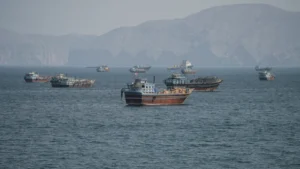
The geopolitical crisis in the Middle East has escalated sharply following reports that two oil tankers have been struck by mines and subsequently caught fire in the strategically vital Strait of Hormuz. The incident, confirmed by the Islamic Revolutionary Guard Corps (IRGC), has sent shockwaves through global energy markets and raised immediate concerns over the security of international maritime trade routes.
The unfolding developments in the region come amid a backdrop of intensifying diplomatic and military pressure from the United States. President Donald Trump has once again addressed the escalating tensions, offering a stark warning to Tehran while simultaneously expressing optimism that the conflict will be brought to a swift conclusion.
The Strait of Hormuz, a narrow waterway separating the Persian Gulf and the Gulf of Oman, serves as the world’s most critical oil transit chokepoint. Any disruption to traffic through this vital corridor threatens global petroleum supplies, driving up prices and prompting immediate reactions from international governments and maritime authorities. The reported attack on the two tankers underscores the severe vulnerability of commercial shipping lanes in the region as military posturing between Washington and Tehran continues to mount.
According to statements from the IRGC, the vessels sustained heavy damage after striking naval mines, leading to onboard fires. While emergency response teams and regional maritime authorities scramble to assess the situation, the incident has immediately heightened the threat level for commercial vessels operating in and around the Persian Gulf. Insurance costs for shipping companies navigating the area are anticipated to surge, and maritime agencies are expected to issue updated security advisories to commercial fleets.
Against this volatile backdrop, President Trump has maintained a dual-track approach of economic and diplomatic coercion paired with public assurances regarding the duration of the crisis. Speaking on the escalating situation, the US president warned Iranian leadership that it must negotiate an agreement, emphasizing the overwhelming might of American military and economic leverage. At the same time, Trump reiterated his belief that the current conflict will not be protracted, predicting that hostilities or the underlying standoff will come to an end soon.
The juxtaposition of military escalation in the Strait of Hormuz and optimistic timelines from the White House highlights the complex dynamics currently defining US-Iran relations. Regional analysts note that while Washington continues to exert maximum pressure on Tehran through economic sanctions and a robust military posture in the Middle East, the administration is keen to signal to domestic and international audiences that it seeks to avoid a prolonged, full-scale military entanglement.
However, incidents involving physical damage to commercial infrastructure in vital waterways like the Strait of Hormuz carry inherent risks of miscalculation. Military commanders and defense officials from multiple nations are closely monitoring the developments, as any further escalation could draw additional regional and international actors into the fray.
As the situation develops, international observers, energy market participants, and diplomatic corps await further details regarding the condition of the targeted tankers, the extent of any potential environmental impact in the Gulf, and how the Iranian leadership will respond to the latest warnings and diplomatic overtures from Washington.

Related News