Iran war live: Araghchi says talks under way on 2-day plan to reopen Hormuz
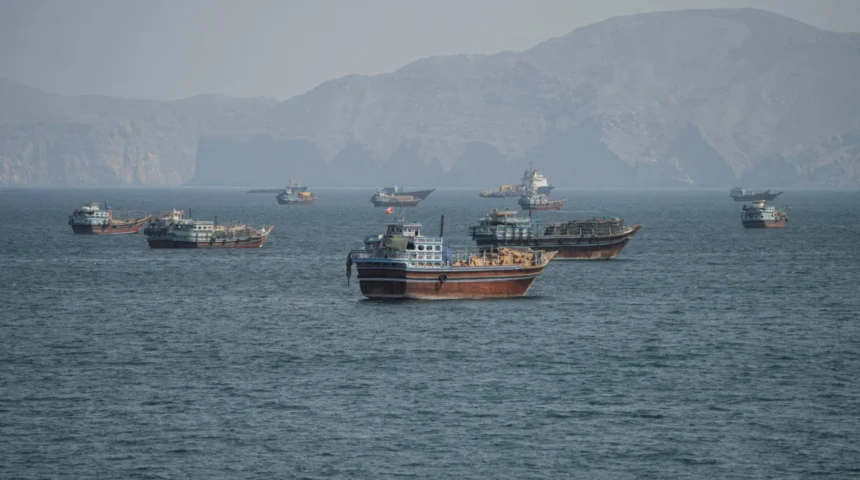
In a significant diplomatic development amid ongoing regional tensions, Iran’s top diplomat has announced that Tehran is actively engaged in discussions regarding a prospective two-day plan to reopen the vital Strait of Hormuz. According to statements made by Iranian officials to international media, the framework has been developed in coordination with Qatari mediators and hinges upon specific conditions being met by the United States.
The Strait of Hormuz represents one of the most critical maritime chokepoints in the world economy, serving as the primary conduit for a substantial portion of global petroleum supplies. Any disruption or potential reopening of the passage carries profound implications for international energy markets, global shipping, and geopolitical stability in the Middle East. The ongoing discussions highlight the delicate balance between active military and strategic posturing and backchannel diplomatic efforts aimed at de-escalation.
Speaking directly to Al Jazeera, Iran’s foreign minister, Abbas Araghchi, outlined the contours of the diplomatic initiative currently taking shape. The proposed arrangement centers on a brief, structured timeline that could see the heavily monitored and currently contentious waterway reopened to international commercial and energy traffic within forty-eight hours, provided that Washington agrees to and fulfills the stipulated prerequisites laid out by Tehran and its diplomatic partners.
The involvement of Qatar as a mediator underscores Doha’s traditional role as a key diplomatic intermediary between Western nations and Iran. Qatari officials have frequently stepped in to facilitate communication, manage crises, and bridge gaps between adversaries during periods of heightened conflict. The latest talks indicate that despite broader hostilities and the shadow of ongoing warfare, channels for dialogue remain open, with regional actors striving to prevent catastrophic disruptions to global trade and energy security.
The Strait of Hormuz is a narrow passage connecting the Persian Gulf to the Gulf of Oman and the Arabian Sea. Its geographic significance cannot be overstated, as a vast percentage of the world’s liquefied natural gas and petroleum passes through its waters daily from producers in the Gulf region to markets across Asia, Europe, and North America. Consequently, any closure, restriction, or threat to navigation in the strait immediately sends shockwaves through global financial markets, driving up oil prices and causing widespread anxiety among importing nations.
While the diplomatic framework articulated by Araghchi offers a potential pathway toward easing maritime tensions, the ultimate success of the plan depends entirely on the response from the United States. Tehran has maintained that any resolution to the crisis in the waterway must account for its core demands and security concerns. The ball is now reportedly in Washington’s court as American officials evaluate the Qatari-backed proposal and weigh the diplomatic and economic benefits of reopening the strait against their broader regional strategy and security posture.
As the situation continues to unfold, international observers, shipping associations, and energy markets are monitoring the diplomatic track closely. The prospect of a swift two-day reopening offers a glimmer of hope for stabilizing global supply chains, yet the fragility of the talks means that the situation remains tense and unpredictable. Further updates are expected as diplomatic contacts between the mediating parties and the governments in Tehran and Washington progress in the coming days.

Related News