Beating the Heat: How Bitcoin Miners Are Preparing Infrastructure and Software for Summer Extremes

As summer approaches and ambient temperatures begin to climb, cryptocurrency mining operations worldwide are facing a familiar yet formidable challenge: managing the immense thermal output generated by Application-Specific Integrated Circuit (ASIC) miners. While the excess heat produced by these high-powered machines can be a welcome asset during the freezing winter months, rising outside temperatures push cooling systems to their absolute limits once the seasons change. Industry operators are finding that failing to prepare their facilities for severe summer conditions leads directly to a cascade of operational setbacks, including more frequent thermal shutdowns, lower overall uptime, reduced hardware efficiency, and a drastically shortened lifespan for expensive mining rigs. Because operational uptime directly translates to daily profitability in the competitive Bitcoin mining sector, adjusting hardware setups and cooling protocols for hot weather is no longer viewed as an optional upgrade—it has become an essential business practice.
If Heat Is Your Enemy, Uptime Is Your Edge
The operational equation for crypto mining is stark and simple: when machines overheat, they inevitably go offline, and when they are offline, they cease to generate revenue. Consequently, the primary focus for any serious mining operation through the hottest months of the year must be the relentless maximization of uptime. Achieving this resilience requires forward-looking strategic planning, rigorous infrastructure maintenance, and a growing reliance on smart automation tools capable of reacting to environmental changes faster than any human operator.
A major culprit behind summer overheating is something entirely preventable: accumulated dust. Hashboards are particularly vulnerable, as clogged heatsinks trap heat and severely choke overall performance. Industry best practices dictate thorough cleaning using compressed air or dry brushes, avoiding moisture entirely and steering clear of shortcuts. Waiting for thermal error logs to appear usually means the operation is already bleeding uptime. At the same time, hardware components like fans must be rigorously inspected. Running an ASIC on two or three failing fans during a scorching forty-degree day is a direct invitation for thermal throttling or emergency shutdowns. Every intake, exhaust, and onboard fan needs to function at peak speed. If they are operating sluggishly, making excessive noise, or have failed entirely, immediate replacement is required to maintain proper airflow.

Beyond basic cleaning and fan maintenance, the physical components within the machines also demand attention. Thermal paste naturally degrades over time due to continuous heat cycles. When this compound breaks down, the vital heat transfer from the silicon chips to the aluminum heatsinks becomes highly inefficient. Reapplying high-quality thermal paste to hashboards can dramatically improve heat dissipation and restore performance stability.
Upgrading Facility Infrastructure and Passive Cooling
At the facility level, the physical layout plays a massive role in thermal management. Isolating hot and cold aisles is a strategy that has long proven effective in traditional data centers, and it is equally critical for crypto mining farms. By physically separating intake cold air zones from exhaust hot air zones, operators prevent thermal recirculation and ensure that miners are consistently supplied with cooler air. Whether utilizing heavy-duty curtains, custom-built baffles, or engineered structural divisions, aisle isolation stands out as one of the most effective passive cooling upgrades an operation can implement.
For farms operating in outdoor containers or semi-exposed structures, erecting physical shades to block direct sunlight represents an indispensable first step. In regions characterized by low humidity, operators frequently deploy water curtains or evaporative coolers to reduce intake temperatures by several degrees, provided that the electrical infrastructure is thoroughly engineered to be water-safe.
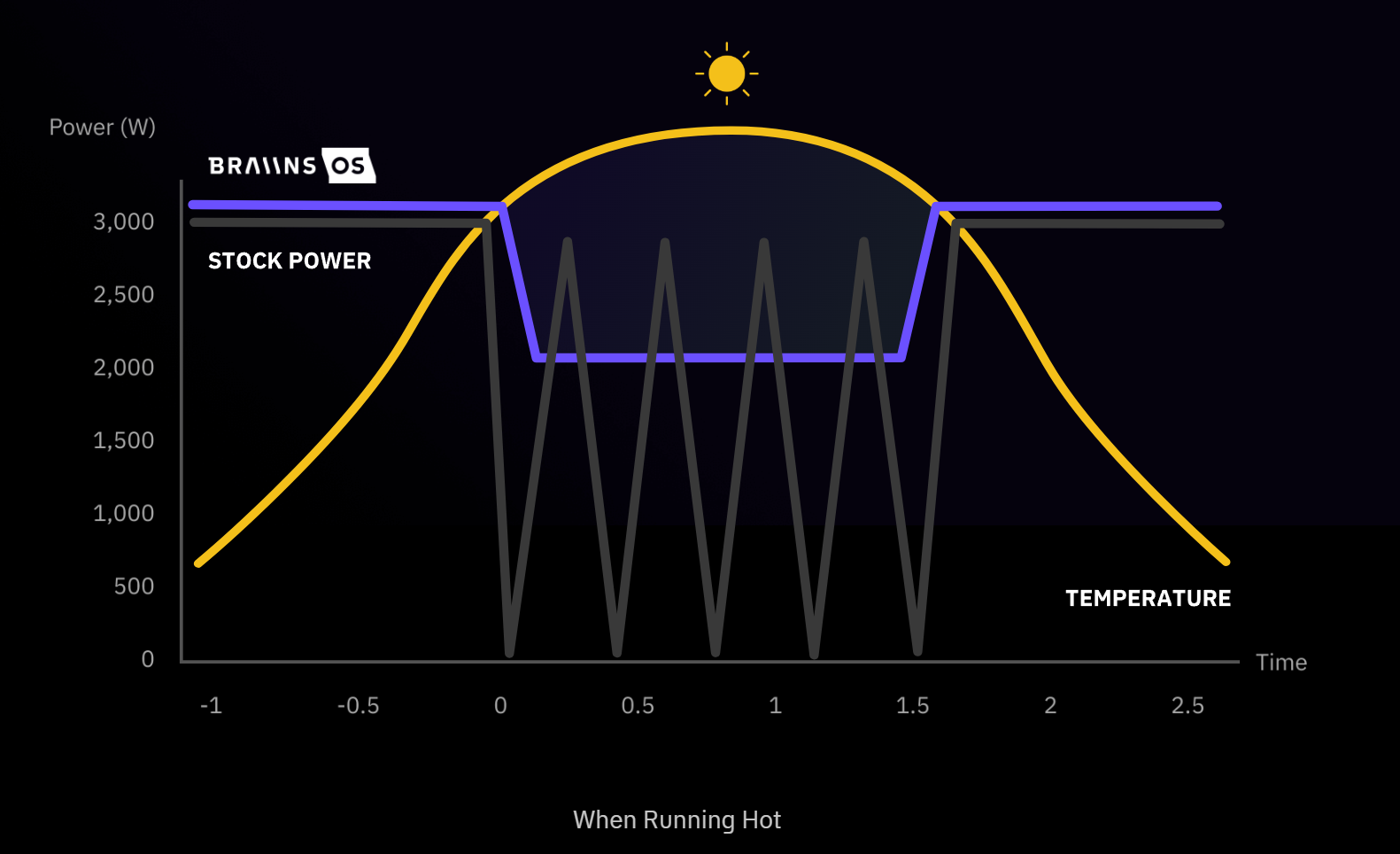
When ambient temperatures spike beyond the limits of standard ventilation, even the most robust physical cooling systems may fall short. During these peak heat events, many operators choose to curtail operations or underclock their hardware during the hottest parts of the day. A few hours of reduced computational performance can save a facility from catastrophic system shutdowns while preserving hardware health over the long term.
Facility managers are also walking their entire footprints to identify localized hot spots, airflow bottlenecks, and structural ventilation flaws. Repositioning auxiliary fans, unblocking restricted vents, and optimizing ducting help maintain even cooling distribution. Furthermore, higher chip temperatures inherently draw more electrical power, which increases thermal stress along every cable and connector within the facility. High-wattage units, such as modern 21-series rigs, demand rigorous inspection of power cords and connectors for signs of wear, looseness, or discoloration, as poor connections generate dangerous electrical resistance and fire hazards.
For operations utilizing liquid cooling, summer brings specific maintenance requirements. Operators running hydro units must carefully adjust their coolant mixtures, as excessive glycol concentration can diminish thermal efficiency. Optimizing the water-to-antifreeze ratio enhances heat transfer while maintaining necessary protection against corrosion and microbial growth. In warm months, improved heat transfer equates directly to stable hash rates, highlighting that in immersion systems, the fluid properties matter just as much as the flow rate.
Scaling Performance Smartly Through Software
Hardware preparation forms only part of the solution; advanced software control is increasingly vital for navigating extreme weather. For miners utilizing alternative firmware solutions like Braiins OS, dynamic control over power targets becomes paramount during warmer periods. While overclocking during winter months leverages high thermal tolerances, identical profiles can easily push miners past safe operating thresholds when summer arrives.
To mitigate this, features such as Dynamic Performance Scaling automatically adjust a miner’s power target based on real-time chip temperatures. When a machine crosses a predetermined thermal threshold, the system temporarily reduces power to bring temperatures back into a safe operating range, keeping the miner hashing rather than triggering an offline shutdown. Once environmental conditions stabilize, the software automatically scales power back up. This automated intervention not only safeguards uptime by avoiding abrupt halts, but it also prevents harmful thermal cycling, where hardware continuously fluctuates between high-temperature states, shutdowns, and restarts—a mechanical stress that significantly shortens equipment lifespan.
Managing large fleets during extreme weather also requires centralized visibility and automation, capabilities addressed by modern management platforms like Braiins Manager. Operators can easily downclock miners across an entire farm, setting specific power targets for devices running firmware or adjusting power modes on stock hardware, either individually or in synchronized batches.
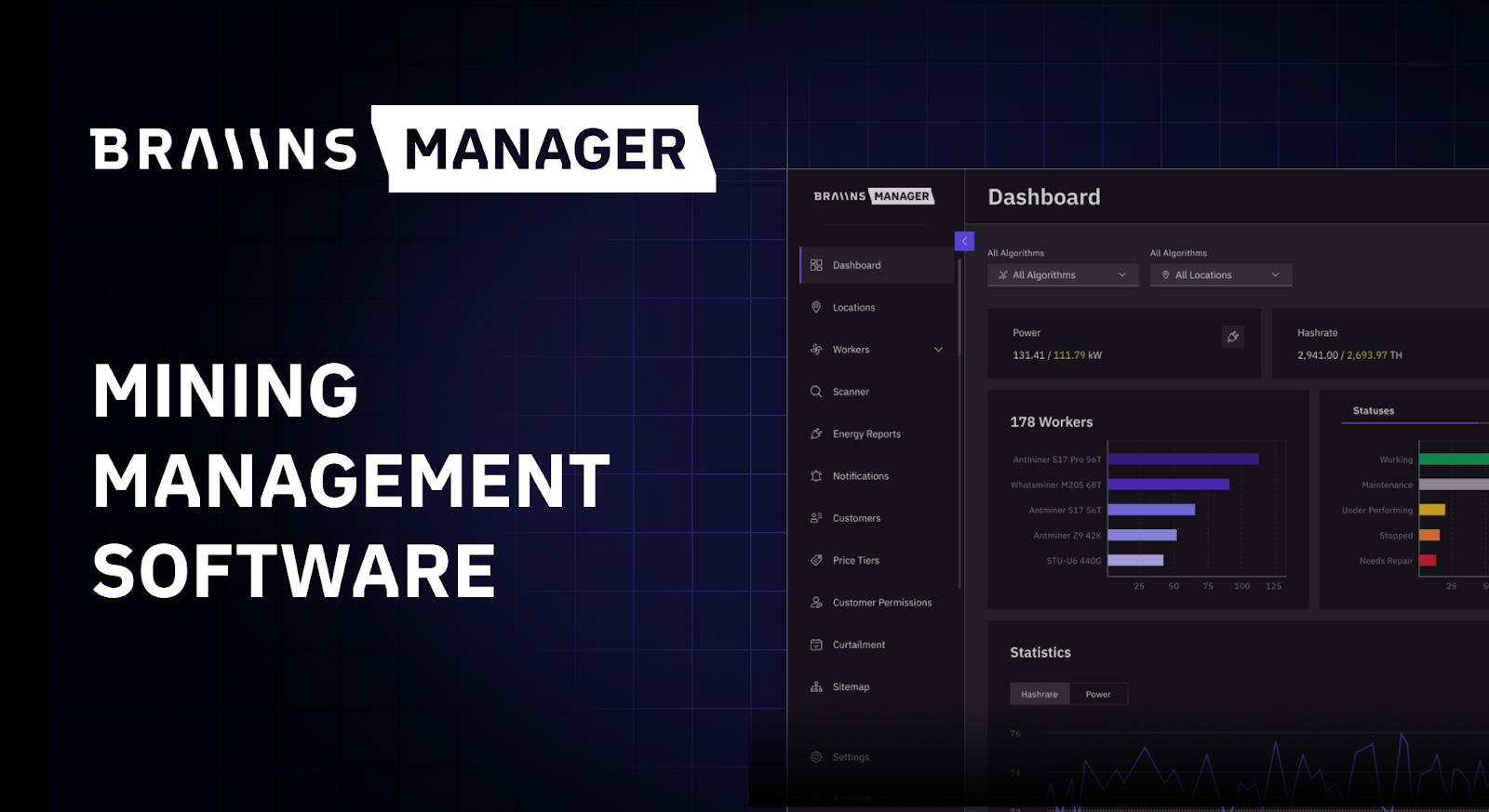
Advanced dashboard features, such as visual sitemaps of container racks paired with integrated temperature heatmaps, allow operators to spot thermal anomalies before they spread. These tools make airflow blockages and overheating zones immediately visible, enabling proactive intervention before equipment drops offline. Additionally, automated triggers can be configured to pause mining operations automatically when temperatures exceed specified safety limits, offering similar protective benefits to units running stock firmware without native scaling capabilities.
Developers are also expanding these capabilities to include bulk configuration settings for dynamic scaling thresholds across entire fleets, alongside fully automated thermal logic designed to handle downclocking, pausing, and resuming without manual oversight. These software layers intersect directly with broader economic pressures, as summer heat waves often coincide with surging electricity prices. Advanced curtailment features allow operators to pause hashing automatically when grid power prices exceed defined financial thresholds, protecting profit margins during volatile energy events.
Ultimately, summer operating conditions arrive regardless of seasonal preparation, leaving mining operators to decide whether environmental factors will erode their uptime or whether proactive infrastructure investments and intelligent software automation will secure their operational continuity through the hottest months of the year.

Related News