Simon Dixon Warns of a $40T Debt Crisis, AI Job Displacement, and the Rise of CBDCs
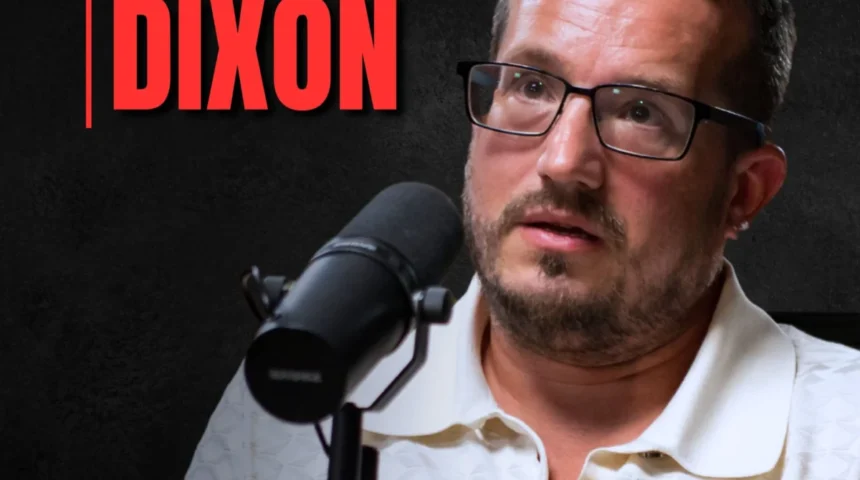
Financial author, early Bitcoin investor, and Bank To The Future co-founder Simon Dixon recently joined host Peter McCormack for an extensive discussion on the macro structural shifts threatening the global economy. Drawing on more than two decades of experience spanning stockbroking, market making, and investment banking, Dixon dissected the compounding pressures facing modern financial systems, warning that society is heading toward a critical juncture defined by soaring sovereign debt, technological displacement, and tighter monetary control.
The conversation, featured on a recent episode of McCormack’s podcast, tackled some of the most pressing economic anxieties of the decade. Central to the discussion was the staggering $40 trillion US national debt milestone, the systemic mechanics of Treasury debt rollovers, and the ways in which central banking policies consistently socialize bond market losses onto ordinary citizens while privatizing market gains. Dixon also explored the massive corporate debt boom funding artificial intelligence infrastructure, the illusion of real-term wealth in housing markets, and the risk that technocratic institutions will use upcoming economic crises to implement programmable money and Central Bank Digital Currencies (CBDCs).

The Mechanics of the $40 Trillion US Debt Crisis and Treasury Rollovers
Dixon opened the conversation by examining the monumental $40 trillion US national debt milestone, breaking down the complex machinery that keeps the global financial apparatus functioning. At the heart of this system are Treasury securities and the monumental task of debt rollovers, specifically pointing to a $9.7 trillion debt rollover that highlights the precarious nature of modern sovereign obligations.
Having observed system mechanics from the inside throughout his career in investment banking, Dixon explained how these massive debt obligations are managed and why the underlying structure relies heavily on continuous borrowing and refinancing. As sovereign debt scales to unprecedented heights, the pressure on central banks intensifies. According to Dixon, the burden of these systemic imbalances is rarely absorbed by the institutions that create them. Instead, central banks and monetary authorities effectively socialize bond market losses, transferring the financial penalty directly onto the middle class through persistent currency debasement and inflation.

This dynamic feeds into broader geopolitical and structural vulnerabilities, including the shifting behaviors of bond vigilantes and foreign lenders—such as entities in the Cayman Islands and Japan—who hold substantial portions of US debt. Dixon tied these developments directly to the Triffin Dilemma, the economic paradox wherein the country whose currency serves as the global reserve must run trade deficits to supply the world with liquidity, ultimately undermining its own long-term financial stability.
Corporate AI Infrastructure, Market Valuations, and Wealth Erosion
Transitioning from sovereign debt to corporate markets, Dixon offered a critical assessment of the current economic landscape, drawing comparisons between the modern AI boom and historical market crashes like the dot-com bubble of 2000 and the financial crisis of 2008. The conversation touched upon soaring corporate valuations—such as the massive valuation of SpaceX—and the underlying market mechanics driving speculation.

A major driver of the current economic cycle is the massive corporate debt build-up being deployed to finance the expansive physical build-out of AI data centres and technological infrastructure. While technology advocates champion artificial intelligence as a deflationary force that will drastically reduce the cost of goods and services, Dixon cautioned that this technological deflation is running parallel to aggressive currency debasement by central banks. This tension leaves everyday savers caught in the middle, struggling to protect their purchasing power against inflation.
This wealth erosion is not limited to liquid cash savings; it is deeply visible in real estate markets as well. Examining the UK property market, Dixon discussed how nominal gains in housing often mask severe real-term wealth erosion when adjusted for true inflation. As governments search for ways to service their obligations, property owners and asset holders face growing threats from potential wealth taxes and exit taxes designed to capture private capital.

Technocratic Control, CBDCs, and the Three Classes of the Future
As technological disruption accelerates, the conversation shifted toward the future of labor and societal organization. Dixon raised serious concerns over whether artificial intelligence will fundamentally eliminate middle-class jobs, altering the employment landscape permanently.
In response to the economic instability likely to be triggered by widespread job displacement and sovereign debt crises, Dixon warned that technocratic structures are actively positioning programmable money and Central Bank Digital Currencies as inevitable crisis bailouts. These digital monetary systems, coupled with emerging social credit frameworks, threaten to redefine individual financial autonomy. Dixon outlined a vision of the technocratic era divided into distinct societal classes, where control over money equates directly to control over human behavior.

Financial Resistance, Bitcoin, and Sovereign Self-Reliance
Against this backdrop of increasing centralisation and financial surveillance, Dixon positioned Bitcoin and digital asset self-sovereignty as the ultimate tools for financial resistance. Drawing on lessons from his own origin story—which began during the turbulence of the 2000 dot-com crash—he emphasized that understanding the rules of the traditional game is essential for individuals looking to build a viable sovereign plan.
A critical component of this financial resistance is mastering digital security. Dixon stressed that key management is the ultimate digital skill in the modern era, warning that reliance on centralized custodians or flawed hardware implementations exposes users to unacceptable risk. Discussing hardware wallet lessons and security vulnerabilities, such as historical exploits involving devices like the Coldcard, he underscored the absolute necessity of rigorous operational security.

Ultimately, Dixon’s message centers on individual preparedness and autonomy. By understanding the macroeconomic forces driving sovereign debt, recognizing the risks of central bank digital currencies, and mastering the fundamentals of self-custody through Bitcoin, individuals can better navigate the structural shifts transforming the global economy.

Related News