President Nayib Bukele Reaffirms El Salvador’s Commitment to Haiti Amid Ongoing Security Crisis
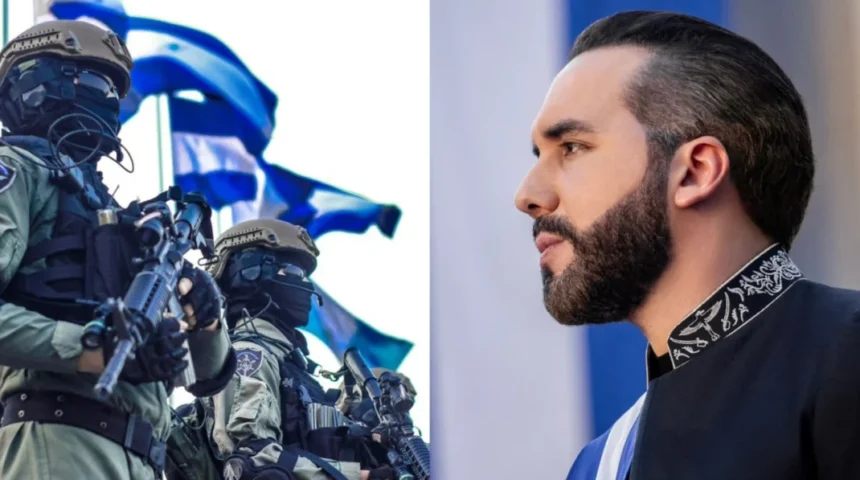
President Nayib Bukele has reaffirmed El Salvador’s steadfast support for the Haitian people as the Caribbean nation continues to grapple with a profound and destabilizing security crisis. In recent public statements, the Salvadoran leader directly addressed the devastating influence of armed gangs and criminal organizations that currently control vast swaths of Haitian territory, characterizing these groups as modern-day betrayers of the nation’s proud historical legacy.
Addressing the crisis from a perspective of international solidarity, Bukele emphasized that Salvadoran forces and authorities stand firmly alongside the citizens of Haiti in their grueling day-to-day efforts to regain control of their local communities, institutions, and overall country. He framed the escalating security challenge not merely as localized lawlessness, but as a broader, existential struggle against ruthless criminal syndicates and the entrenched political and economic actors who enable, fund, and protect their illicit activities.
"We are on the same side as you. We will help you take back the country from the hands of the traitors who betray Dessalines’ legacy. And, finally, Haiti will be free," Bukele stated, invoking the powerful historical memory of Jean-Jacques Dessalines, the founding father of Haiti and leader of the Haitian Revolution.
This messaging reinforces the central pillar of the Salvadoran president’s foreign policy regarding the region: that El Salvador’s involvement and vocal stance on the Haitian crisis are explicitly intended to support international and domestic efforts to confront systemic gang violence. By aligning El Salvador’s public posture with the immediate security needs of everyday Haitians, Bukele aims to bolster the narrative of regional cooperation in dismantling the armed factions that have paralyzed the nation’s infrastructure, economy, and democratic processes.
The ongoing turmoil in Haiti has deeply concerned international observers for years, marked by widespread displacement, targeted violence, severe shortages of basic goods, and the near-total collapse of public security infrastructure. Armed gangs have routinely terrorized neighborhoods, blocked critical supply routes, and challenged the authority of the state, leaving millions of residents vulnerable to extortion, kidnapping, and extreme deprivation. In this context, external partnerships and security assistance have become central to the conversation surrounding Haiti’s path toward stabilization.
President Bukele’s recent declarations build upon a consistent public dialogue he has maintained regarding the crisis, utilizing digital platforms to communicate directly with international audiences and the Haitian public alike. In a widely discussed social media post published in Creole and Spanish, Bukele expanded on his historical references, speaking directly to the people of Haiti to draw parallels between their current struggles and the betrayals faced by their revolutionary founders.
In that message, translated broadly as an address to the Haitian people, he reflected on how Dessalines successfully liberated Haiti, only to be betrayed and assassinated by individuals who were close to him. He noted that these historical betrayers looked like him, spoke the same language, but fundamentally lacked the same principles, acting instead as traitors driven solely by personal advantage—a dynamic he implied continues to haunt the nation across multiple generations.
The invocation of such deep-seated historical grievances resonates strongly within Haiti, where the memory of the 1804 revolution remains a foundational element of national identity and pride. By framing the current anti-gang efforts as a continuation of that historic struggle for true sovereignty and liberation, Bukele’s statements seek to rally morale among a population exhausted by years of chronic instability and institutional decay.
As the international community continues to evaluate various frameworks for restoring order and humanitarian relief in Haiti, the stance articulated by the Salvadoran leadership adds a distinct voice to the ongoing debate over foreign engagement and security cooperation. While the path toward lasting peace and democratic renewal remains fraught with immense structural challenges, statements of solidarity from regional leaders highlight the widespread recognition that the crisis in Haiti carries implications for security and stability throughout the wider hemisphere.
The ongoing situation continues to be monitored closely by diplomats, humanitarian organizations, and security analysts worldwide, as efforts persist to find viable pathways to disarm criminal factions, protect civilians, and help the Haitian people reclaim governance over their sovereign territory.

Related News