Ginger Gaetz Highlights El Salvador’s Zero-Tax Incentives to Attract AI and Technology Investment
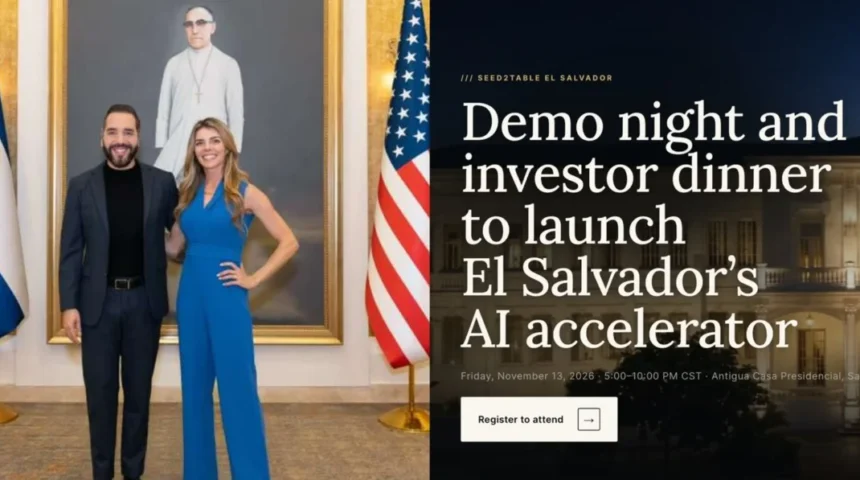
The initiative highlights a concerted government effort to position the Central American country as a competitive and forward-thinking destination for emerging tech enterprises. By systematically eliminating administrative hurdles and providing substantial fiscal advantages, El Salvador aims to foster a thriving digital economy that can attract foreign direct investment and stimulate high-value domestic innovation.
The country’s technology agenda recently drew notable attention when Ginger Gaetz highlighted the strategy in a widely discussed post on the social media platform X. In her commentary, Gaetz contrasted El Salvador’s clear, unwavering investment priorities with the evolving regulatory and policy landscape surrounding artificial intelligence in the United States, particularly in the wake of recent elections. As policymakers in larger economies navigate shifting political priorities and debate the appropriate regulatory frameworks for managing superintelligent technologies, El Salvador has chosen a path of aggressive simplification and targeted incentives to capture the interest of forward-looking entrepreneurs.
According to the details shared in the discussion, El Salvador’s value proposition for the technology sector rests on several key pillars intended to reduce friction and lower the cost of doing business. Chief among these is a zero-percent tax rate on qualifying technology innovation activities, a measure designed to maximize capital retention for startups and established enterprises alike as they scale their research and development operations. In addition to fiscal relief, the country has implemented simplified permitting processes and an overall investment environment specifically engineered to minimize administrative barriers for emerging technology businesses.
This dual-pronged strategy of tax relief and bureaucratic streamlining reflects the broader ambitions of the Salvadoran government. Over recent years, the administration has sought to diversify its economy and build a reputation as a haven for tech pioneers, cryptocurrency advocates, and artificial intelligence developers. By combining favorable tax policies with efforts to facilitate rapid business operations, the country is working to encourage groundbreaking innovation, draw in international capital, and support the broader modernization of its digital infrastructure. Proponents argue that these measures provide a compelling alternative for companies seeking predictability and speed to market in an industry where regulatory delays can stall growth.
Adding to the momentum surrounding the nation’s tech sector, Ginger Gaetz also teased a major announcement expected to take place next week. While specific details of the upcoming announcement remain under wraps, the anticipation has brought further attention to El Salvador’s rapidly growing role in the global technology sector and its ambitions to become a prominent hub for the next generation of artificial intelligence development.
The ongoing developments underscore a broader shift in how smaller nations are attempting to carve out competitive niches in the global economy by leveraging regulatory agility. While major economic superpowers grapple with complex legislative debates over AI safety, data governance, and compliance, El Salvador is presenting itself as an accessible, open environment ready to welcome the tech industry’s pioneers. As the global technology landscape continues to adapt to new political and economic realities, observers will be watching closely to see how El Salvador’s unique blend of tax incentives and streamlined bureaucracy translates into tangible long-term growth for its digital economy.

Related News