Explosions Reported Across Southern Iran and Strategic Strait of Hormuz Amid Escalating Regional Tensions
By Kristina Harazim and Mahmoud Sayed
Published On 8 Nov 2026
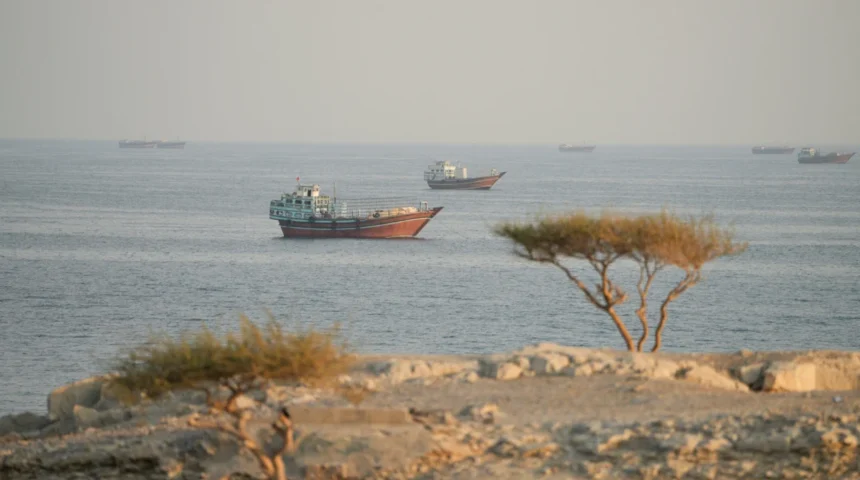
Iranian state media has reported a series of powerful blasts echoing across key coastal regions in the country’s south, including Qeshm Island situated within the vital Strait of Hormuz, as well as the coastal cities of Jask, Sirik, and Bandar Abbas. The sudden explosions mark a sharp escalation in regional volatility, drawing immediate international attention to the critical maritime chokepoint and surrounding logistical hubs.
The reported blasts occurred across strategic points in southern Iran, a region heavily integrated with maritime trade, naval installations, and critical land and sea supply corridors. According to initial reports from Iranian state broadcasters, residents and local authorities in the affected areas noted loud detonations shaking buildings and lighting up the night sky, though detailed information regarding casualties, structural damage, or the exact source of the blasts remained limited in the immediate aftermath.
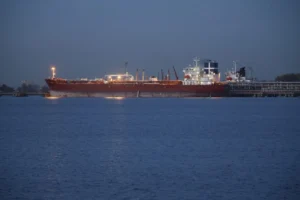
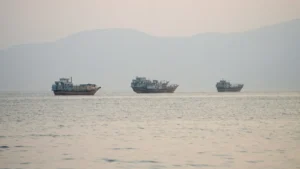
The epicenter of the reported activity centers around the Strait of Hormuz, one of the world’s most critical energy transit corridors, through which a significant portion of the globe’s petroleum passes daily. Qeshm Island, the largest island in the Persian Gulf and located just off the southern coast of Iran, guards the entrance to the strait, making it a position of immense geographic and strategic importance. Meanwhile, Bandar Abbas serves as Iran’s principal naval base and a major commercial port, while Jask and Sirik further to the east along the Gulf of Oman coastline play crucial roles in maritime monitoring and regional logistics.
The sudden security developments in southern Iran unfold against a backdrop of intensified military maneuvers and strategic realignments by regional and international actors. Just prior to the reports of explosions, the United States Central Command (CENTCOM) announced the official formation of a specialized task force specifically mandated to disrupt Iran’s land supply routes. The newly established military apparatus is designed to target and neutralize logistical networks that facilitate the movement of arms, equipment, and resources across regional borders, further tightening the pressure on Iranian supply chains.
Military analysts note that the convergence of CENTCOM’s newly formed task force targeting land corridors and the subsequent reports of explosions in critical maritime gateways highlights a multi-domain approach to regional security. The Strait of Hormuz and its adjacent waters have long remained a focal point of geopolitical friction, where commercial shipping lanes run adjacent to heavily fortified coastal defense zones. The physical proximity of the targeted cities—spanning from the inner waters of the Persian Gulf at Bandar Abbas and Qeshm Island to the outer Gulf of Oman approaches at Jask and Sirik—underscores the vast geographical scope of the unfolding situation.
As state media continues to broadcast updates, local emergency services and security personnel in the affected provinces have been placed on heightened alert. Authorities in Tehran have yet to release a comprehensive official assessment detailing the exact nature of the explosions, leaving regional observers and international markets closely monitoring developments for any sign of disruption to global energy supplies or maritime navigation through the vital waterway.
The situation remains fluid, with international agencies and diplomatic missions assessing the security implications of the blasts across the southern coast. Further updates are expected as state and military officials release additional information regarding the incidents in Qeshm, Jask, Sirik, and Bandar Abbas.

Related News