How Barefoot Mining Keeps Off-Grid Rigs Online in Extreme Weather Using Braiins OS
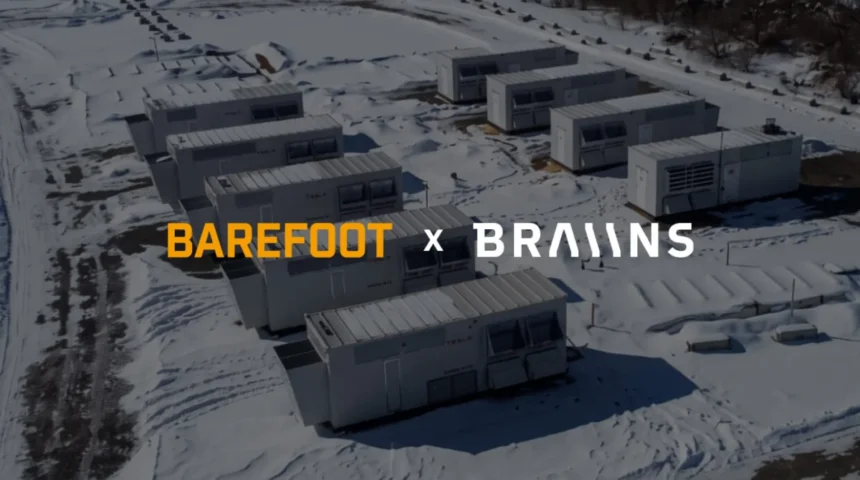
Operating a Bitcoin mining enterprise in the traditional industrial sector comes with a predictable, albeit rigid, playbook: secure a massive grid connection, build out permanent infrastructure, and negotiate wholesale power purchase agreements. However, a different breed of operators is rewriting those rules entirely. Among them is Barefoot Mining, an enterprise that has carved out a distinct niche by running its operations completely differently from the standard grid-tied mega-facilities.
Unlike more common industrial, grid-connected operations, Barefoot generates its own power, runs sites exposed to sharp day-to-night and seasonal temperature swings, and maintains the operational agility to pack up and move an entire site when local conditions change. This unique operational philosophy, sometimes characterized as a "Wild Horse Mining" strategy, places compact mining rigs directly onto off-grid and small-to-medium commercial locations. By utilizing self-generated power, Barefoot secures critical operational advantages that form the foundation of its entire business model.
Operating within a scale of 0.5 megawatts to 10 megawatts per site allows the company to deploy infrastructure rapidly, pivot seamlessly when environmental or economic conditions shift, and bypass much of the local regulatory friction and political resistance that frequently plague larger, centralized facilities. Furthermore, this decentralized approach inherently distributes operational risk across multiple geographic locations rather than concentrating capital and infrastructure in a single, vulnerable point of failure. When asked about the company’s ultimate scale, representatives from Barefoot offer a straightforward assessment of their strategic positioning: "We are big enough to not be small, but not big enough to be big."
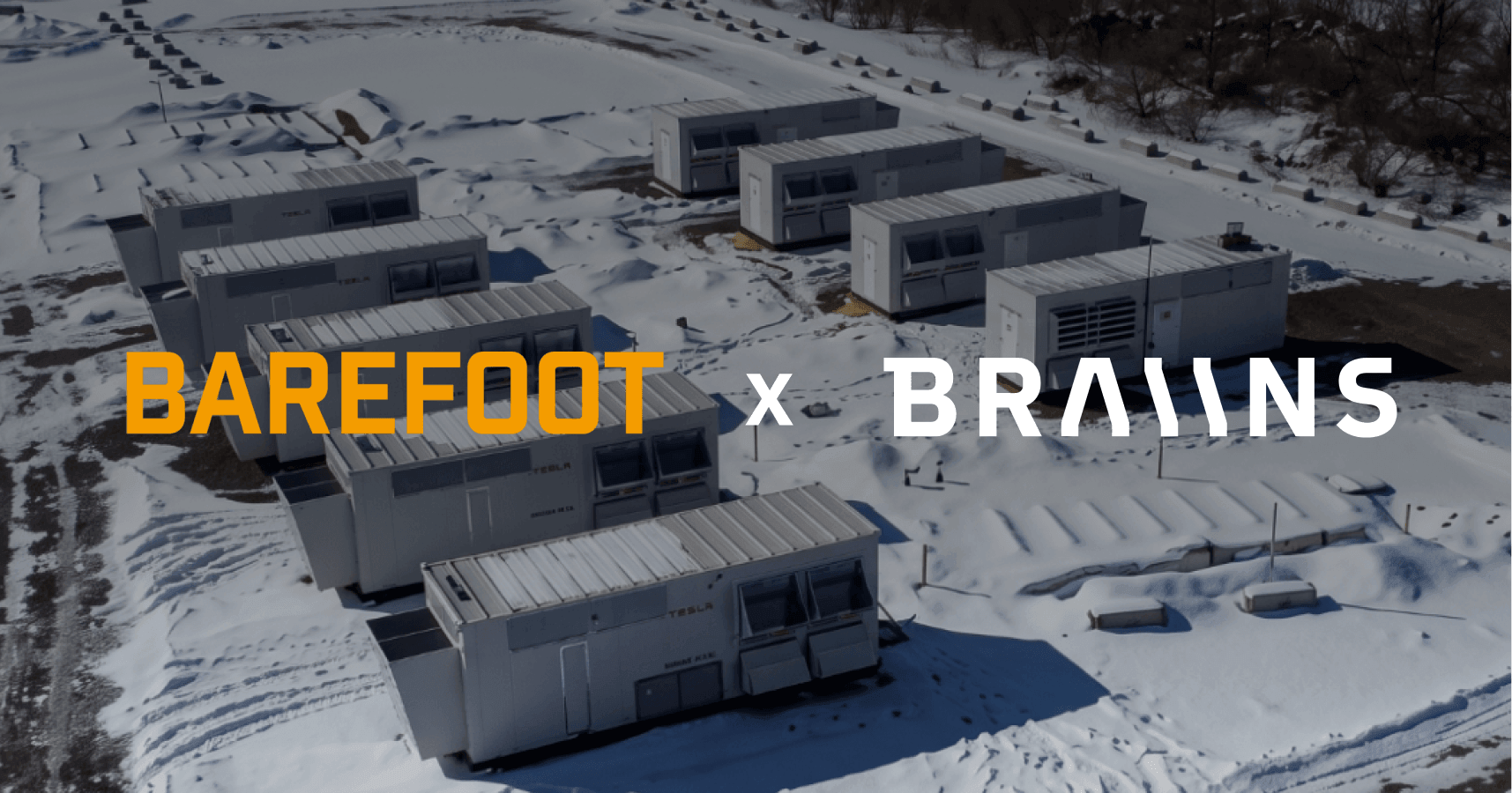
Despite the distinct advantages of energy sovereignty and mobility, this decentralized model introduces unique operational hurdles, chief among them being thermal management. For years, Barefoot operated its hardware utilizing standard stock firmware, interspersed with occasional experiments using alternative builds. However, off-grid and rural locations inherently sit completely exposed to the elements, subjecting hardware to the full volatility of seasonal weather patterns. During the scorching summer months, ambient temperatures climb high enough to threaten silicon integrity, forcing stock firmware to aggressively throttle hashrates or drop machines offline entirely to prevent permanent hardware damage. Every single drop in hashrate represents a direct loss in revenue—inefficiencies that more sophisticated firmware could theoretically prevent. To maintain profitability and operational continuity, Barefoot desperately needed a reliable method to keep its mining machines running optimally under punishing environmental conditions.
The transition toward a more resilient technical foundation began with a controlled test at the company’s South Dakota headquarters, utilizing Bitmain Antminer S19J Pro Plus hardware running Braiins OS. The initial implementation immediately demonstrated its value, helping the machinery stay online significantly longer during periods of elevated ambient temperatures. Within just a few months, the performance data was clear enough to justify a full fleet-wide rollout across all of Barefoot’s operating sites.
The fundamental difference between stock firmware and Braiins OS lies in how each system reacts to thermal stress. Standard stock firmware applies a uniform voltage and frequency profile indiscriminately to every single chip located on a hashboard, resulting in abrupt, large-step throttling when temperatures cross predetermined thresholds. In contrast, Braiins OS utilizes advanced chip-level tuning and Dynamic Performance Scaling. This sophisticated approach allows the software to step power down gradually and granularly as thermal headroom shrinks, offering precise control over the hardware. Instead of cutting a machine’s performance back aggressively and prematurely, Braiins OS keeps the miner online and actively hashing at the highest possible level that current environmental conditions will safely allow.
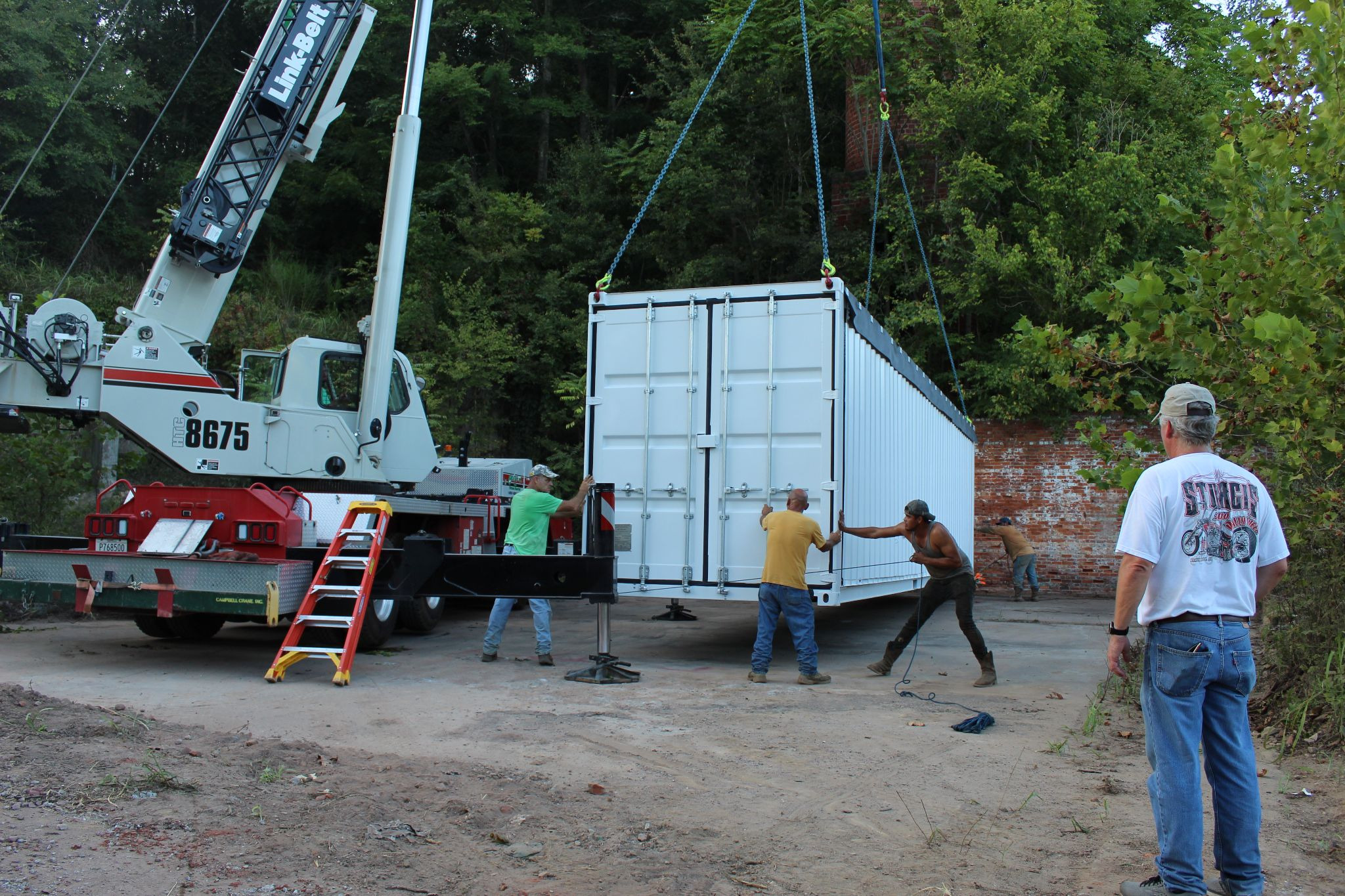
Among the various features offered by the firmware, several have proven indispensable to Barefoot’s daily operations. Direct wattage control has emerged as a primary asset for managing constrained sites and aging hardware. Because the enterprise generates its own power, it must strictly operate within a rigid power budget. The ability to set and control exact wattage consumption per machine provides a critical solution for two persistent problems simultaneously. On power-constrained sites, Barefoot can cap machines to strictly match the available electricity generation. Simultaneously, on older legacy units, technicians can dial machines into a more optimized efficiency sweet spot, extracting more satoshis per watt from hardware that might otherwise be prematurely retired from service.
Automatic thermal throttling represents another critical capability that proved its value directly in the field. When ambient temperatures spike, machines running Braiins OS gracefully throttle back rather than tripping completely offline. This distinction is vital for exposed off-grid operations. Instead of sacrificing hours of production during the peak heat of the day, Barefoot maintains continuous hashing operations at the highest safe threshold. Across an entire distributed fleet of off-grid locations, those saved hours of continuous uptime compound into substantial revenue gains over time.
Additionally, the firmware has provided a reliable mechanism for handling hardware degradation, specifically regarding defective hashboards. Running machines with a partially failed board allows the enterprise to keep operational units online until scheduled maintenance windows permit technicians to pull the faulty hardware for repair. In remote locations where logistics and travel times can delay repairs by days, letting the healthy boards continue hashing prevents a partial hardware fault from turning into a total production loss.
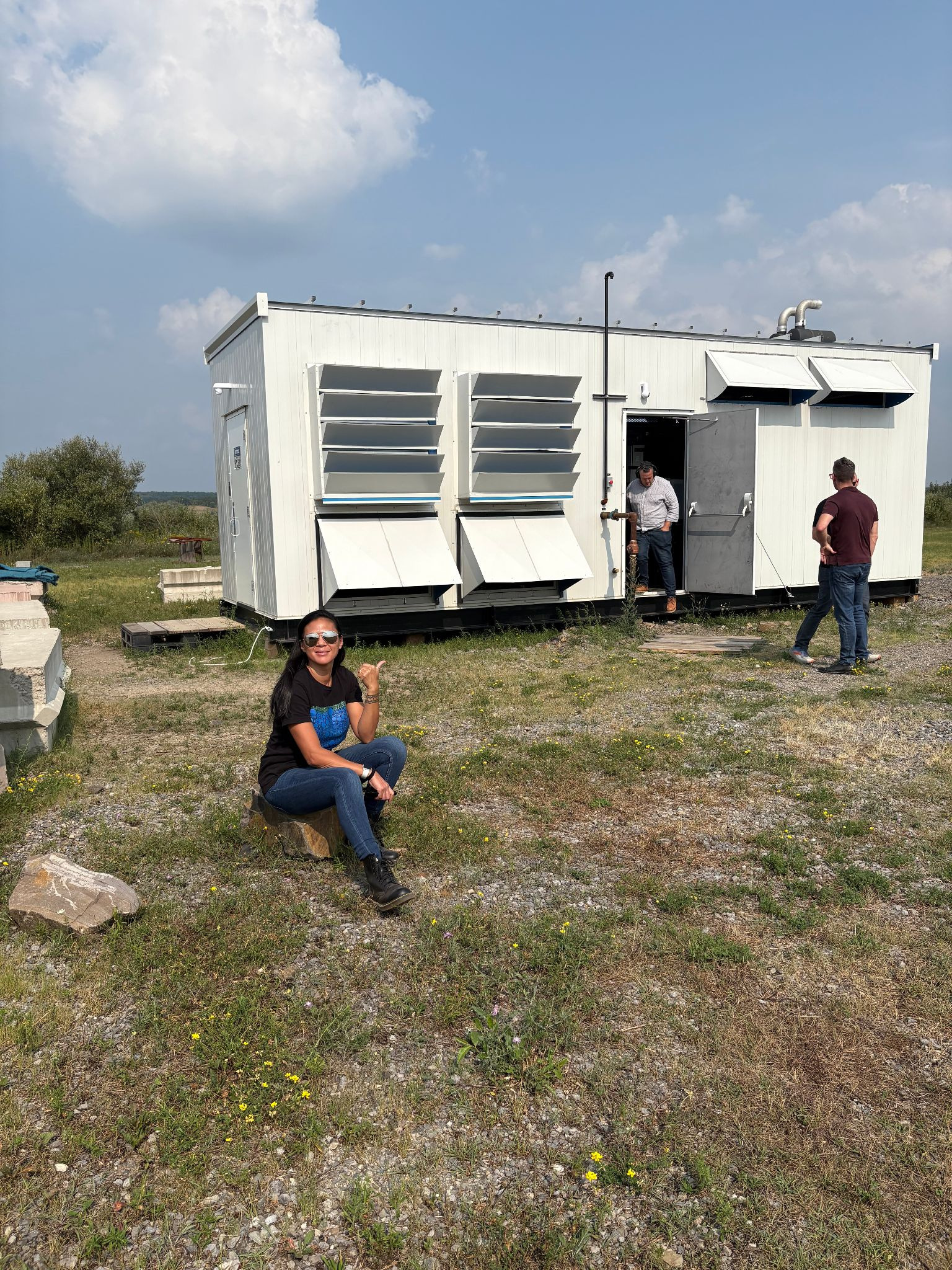
For mid-size operators who fall outside the typical industrial parameters, the operational challenges of remote mining require tailored solutions rather than standard corporate playbooks. While large-scale mining operations rely on robust grid connections and massive cooling infrastructure, off-grid teams must achieve similar economic viability through software optimization. Utilizing advanced firmware provides these operators with practical levers to maximize output, improve energy efficiency, and extend the operational lifespan of existing hardware investments without requiring expensive transformers, complex liquid cooling systems, or site expansions.
Beyond the software capabilities themselves, Barefoot emphasizes that vendor support and communication play a critical role in maintaining operational stability. When a site is located hours away from the nearest town, prolonged downtime directly threatens the bottom line, making responsive technical support an essential component of the infrastructure stack. Cultivating a strong partnership with software providers ensures that remote operators can quickly resolve unforeseen field issues.
As the operational landscape continues to evolve, forward-thinking miners maintain an active dialogue with software developers regarding future needs. For Barefoot, future enhancements point toward increased automation, including firmware capable of advanced self-healing behaviors to minimize manual intervention on remote sites. Furthermore, broader hardware manufacturer compatibility remains a priority as the company evaluates mining equipment beyond traditional suppliers, ensuring flexibility across future fleet expansions. By bridging the gap between rigorous off-grid demands and sophisticated firmware control, operations like Barefoot Mining continue to demonstrate how smaller, agile enterprises can thrive in the competitive Bitcoin mining sector.

Related News