How Sazmining Solved the Bitcoin Mining Shipping Gap Using Braiins Hashpower Contracts
The world of cryptocurrency mining is a high-stakes arena where time is quite literally digital gold. For retail and institutional participants alike, the journey from purchasing a physical application-specific integrated circuit (ASIC) miner to watching the first satoshis roll into a wallet is often fraught with friction. Supply chain bottlenecks, international customs delays, freight complications, and complex site preparation can stretch the deployment timeline anywhere from several weeks to a couple of months. During this waiting period, customers face a psychological hurdle that can erode trust before their machines ever touch a data center floor.
Enter Sazmining, a technology-first Bitcoin mining enterprise that has carved out a distinct niche by pioneering the concept of Bitcoin mining as a service. Rather than competing directly with traditional data center hosting providers, Sazmining positions its true competitor as the digital asset exchange itself. When a prospective buyer weighs their options, the fundamental dilemma boils down to a straightforward choice: purchase Bitcoin directly on an exchange or invest capital into physical mining hardware.
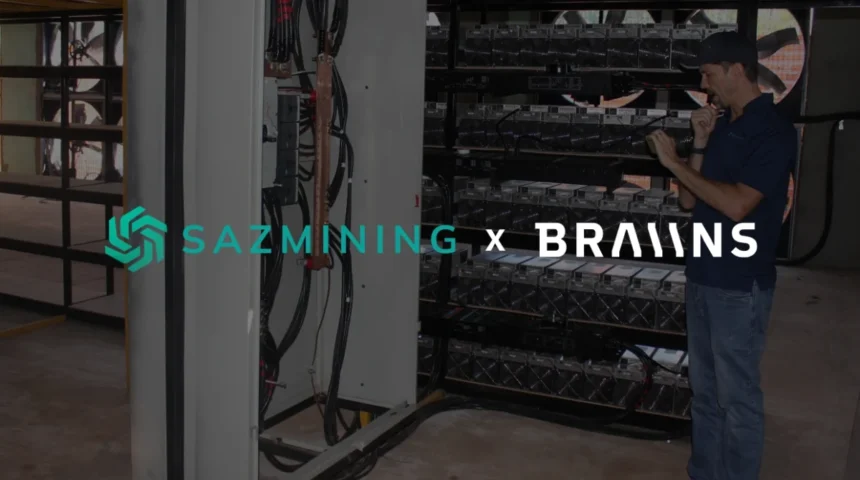
To bridge this gap and provide an experience that rivals the instant gratification of buying coins on the spot market, Sazmining forged a strategic partnership with Braiins, utilizing Braiins Hashpower Contracts to launch an innovative product offering known as virtual mining rigs. This collaboration allows Sazmining to guarantee that customers begin earning Bitcoin within seven days of checkout, completely decoupling the immediate start of mining rewards from the logistical nightmares of global shipping and installation.
The Operational Challenge of Virtual Mining Rigs
Sazmining currently operates a sprawling global footprint, managing significant megawatts of capacity across multiple international jurisdictions. The company oversees 9 megawatts in Paraguay, more than 4 megawatts in Texas, 2.5 megawatts in Norway, and a smaller operational footprint in South Dakota. Crucially, Sazmining does not own the physical real estate or infrastructure at these sites. Instead, the company acts as an aggregator of customer demand, securing wholesale contracts with site operators to run the machinery on behalf of its clients.
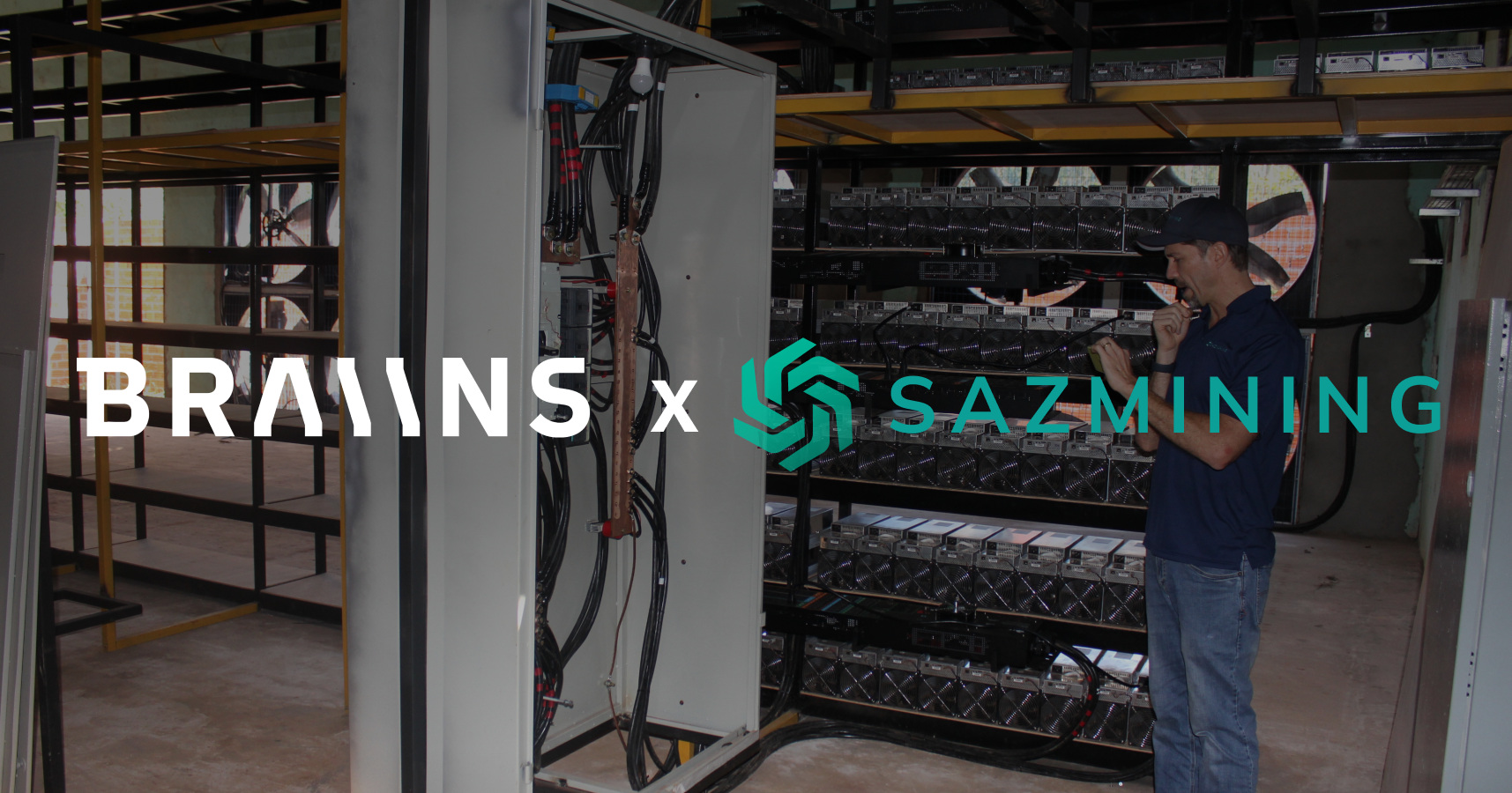
In this business model, operational velocity is everything. When a customer purchases a rig through Sazmining, the mental countdown to their first Bitcoin payout begins immediately. However, reality often intervenes. Navigating import customs, international freight logistics, and site preparations in rapidly developing mining regions like Ethiopia and Paraguay can easily push deployment timelines out by a month or two.
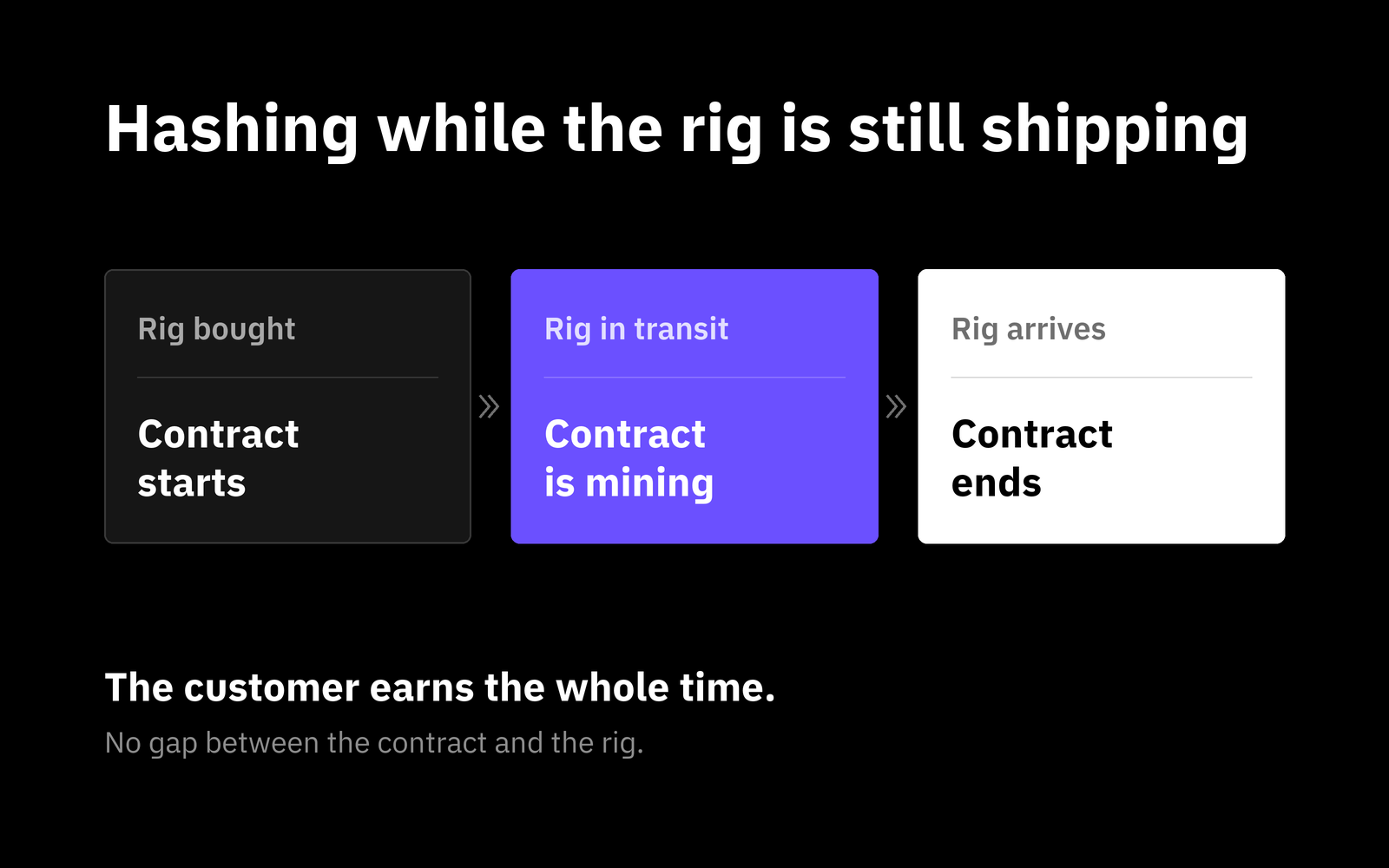
To solve this customer experience problem, Sazmining developed the concept of the virtual mining rig. Behind every virtual rig is a Braiins Hashpower Contract precisely sized to match the exact specifications and output of the physical machine the customer purchased. By leveraging these contracts, Sazmining can guarantee that the customer begins hashing and earning rewards within a strict seven-day window, long before the physical hardware is even unboxed at a data center. As Kent Halliburton, CEO of Sazmining, explains, the strategy involves taking raw hashrate and packaging it up into the exact output profile of the underlying hardware to create a seamless experience for clients.
Why Sazmining Chose Braiins Hashpower Contracts
Before partnering with Braiins, Sazmining had experimented with purchasing hashrate from alternative providers. However, the eventual transition to Braiins was not merely a matter of pricing; it was fundamentally driven by the structural superiority of Braiins’ contract offerings.
According to Jeremy Milliorn, Chief Financial Officer of Sazmining, traditional hashrate providers often structure their contracts around Bitcoin denominations. Under that legacy model, when a network difficulty adjustment occurs—shifting upward or downward—the consumer’s underlying Bitcoin consumption rate fluctuates. If difficulty rises, the contracted hashrate is consumed faster; if it drops, it lasts longer. For a company like Sazmining, which promises its customers a steady, predictable stream of hashrate matching a physical machine over a set duration, this variability creates significant complications.
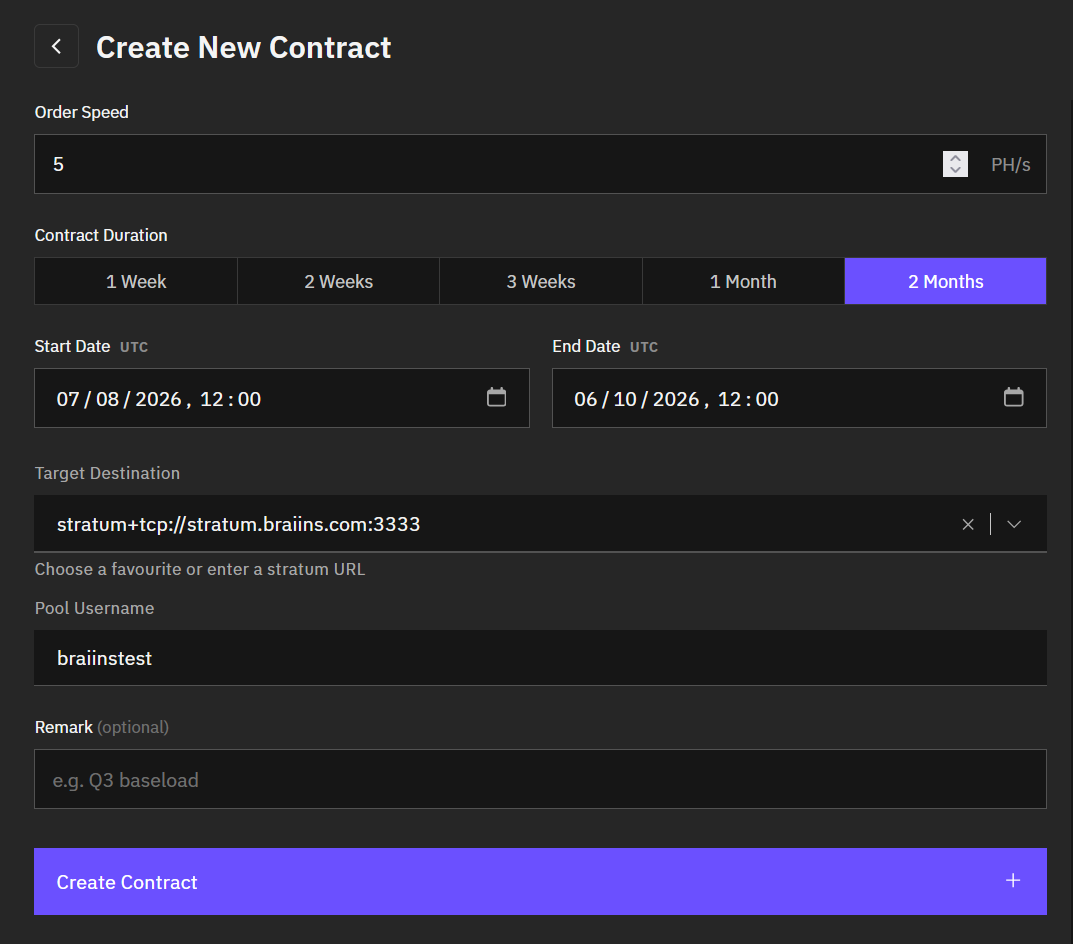
Braiins Hashpower Contracts were intentionally designed to eliminate this unpredictability by keeping both the hashrate volume and the contract duration entirely fixed. For instance, a 7-day contract for 20 PH/s delivers precisely 20 PH/s of computing power for exactly seven days. While network difficulty and broader market conditions may influence the absolute Bitcoin output earned by the customer—and correspondingly adjust the daily repricing that Sazmining pays for the contract—they do not alter the delivered speed or shorten and extend the agreed-upon timeframe.
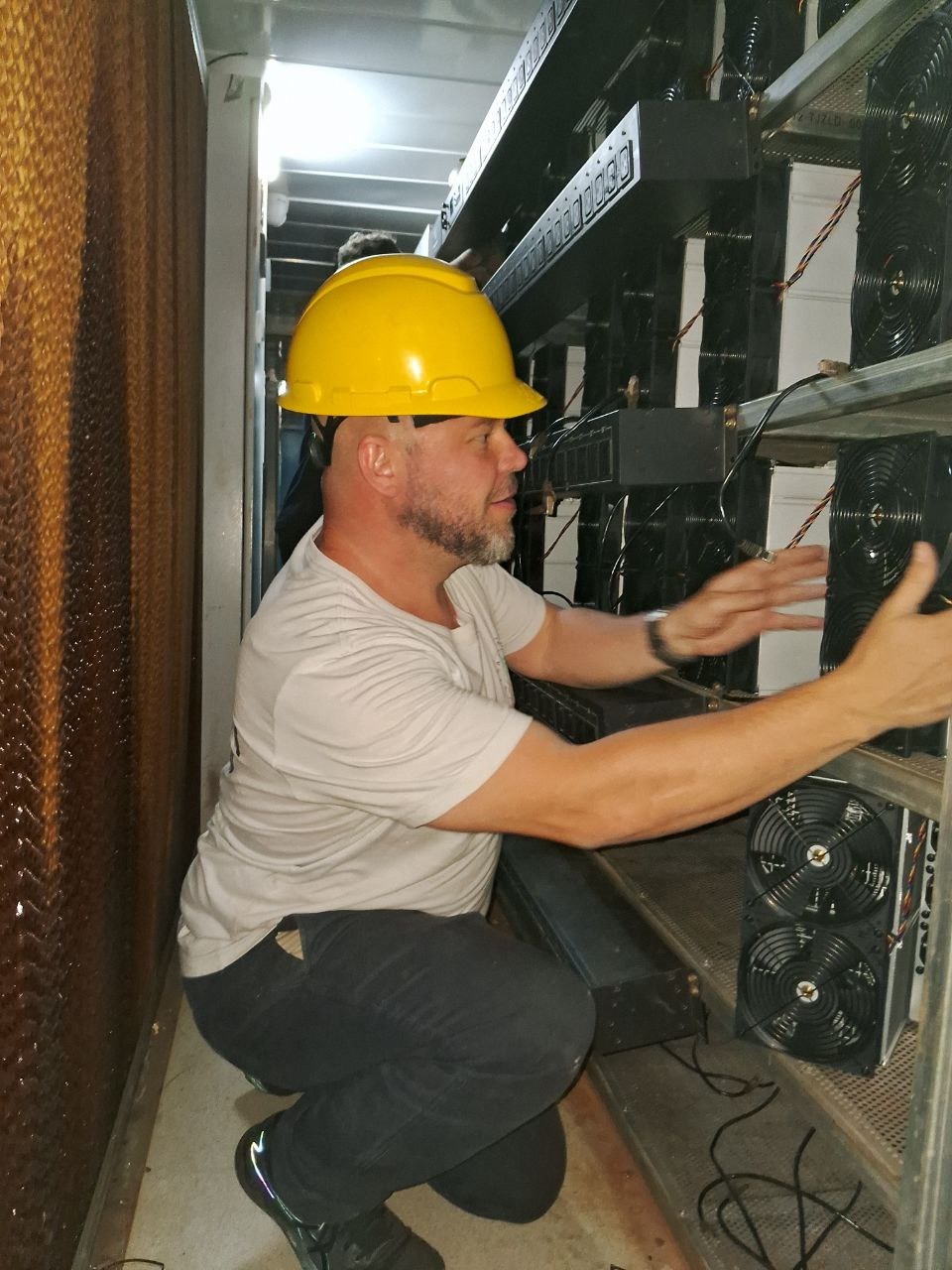
Furthermore, contract hashrate through Braiins commands delivery priority, ensuring guaranteed speeds for the entire term regardless of intense spot-market competition. This reliability forms the bedrock of Sazmining’s seven-day delivery promise. Sazmining takes each contract and slices it into device-sized increments using an intermediary routing layer. Each slice is pointed directly to the payout address provided by the customer at checkout.
When the physical mining rig finally arrives and comes online at one of Sazmining’s partner sites, the company can either terminate the temporary contract or reallocate that surplus hashrate to another customer who is still waiting for their hardware to clear customs. This elegant handoff ensures zero interruption in mining rewards for the end user.
Beyond product-market fit, Sazmining’s leadership notes that working with the Braiins team has been exceptionally smooth. The onboarding process was notably faster and simpler than anticipated, and technical support has remained consistently responsive whenever assistance was required. Publicly available via their self-serve platform, Braiins Hashpower Contracts now offer standardized contract sizes ranging from 1 PH/s to 2 EH/s, with terms spanning from seven days to two months, all backed by a fixed fee over daily Full-Pay-Per-Share (FPPS) mechanics and guaranteed delivery for the full term.
Protecting Customer Trust and Driving Retention
In the retail Bitcoin mining sector, maintaining consumer confidence is paramount. Sazmining reports that approximately 80% of its total sales originate from existing, returning customers. This high retention rate places an immense amount of strategic importance on the initial waiting period.
When a retail investor spends thousands of dollars on a high-end mining rig and is told to wait for deployment, anxiety can quickly set in. As CFO Jeremy Milliorn points out, leaving a customer hanging for weeks without seeing any verifiable mining activity on-chain can easily foster skepticism and lead them to question the legitimacy of their purchase. Shifting the delivery window to a guaranteed seven days transforms that psychological dynamic entirely. Customers receive their first automated payouts within days of checkout, often leading them to realize the viability of the model and immediately reinvest in additional hardware.
By the time the physical ASIC miner is finally unpacked, plugged into a rack, and brought online, the customer has already accumulated weeks of Bitcoin rewards without ever having to worry about international shipping delays or logistical gridlock. For Sazmining, utilizing Braiins Hashpower Contracts achieves this remarkable customer experience feat without requiring the company to tie up valuable corporate capital in maintaining excess physical hardware inventories purely for buffer purposes.
Future Horizons in Hashrate Management
Building on the success of their shipping bridge solution, Sazmining is already actively exploring internal use cases for Braiins Hashpower Contracts that extend far beyond initial hardware deployment.
One primary application under consideration is downtime coverage. In the event of an unexpected facility outage or hardware failure that keeps a customer’s physical machine offline longer than the contracted repair service level agreement (SLA) allows, a Hashpower Contract could be deployed instantly to keep those specific clients earning revenue until the physical site fully recovers.
Another potential frontier is demand response participation, a critical operational consideration particularly for mining fleets operating in power-dense markets like Texas. While Sazmining does not currently engage in formal grid demand response programs, the integration of flexible hashrate contracts could theoretically allow the company to participate in power curtailment events without disrupting the continuous revenue streams expected by its retail and institutional customers.
In both scenarios, the underlying principle remains the same as the original shipping bridge: identifying a defined gap in customer-facing hashrate and filling it seamlessly through automated financial contracts rather than burdensome physical expansions. As the digital asset mining industry continues to mature, partnerships that blend physical infrastructure management with agile, programmatic hashrate delivery are expected to play an increasingly vital role in shaping the future of Bitcoin mining as a service.

Related News