The Three-Layered Evolution: Understanding the Architecture of the Blockchain Ecosystem
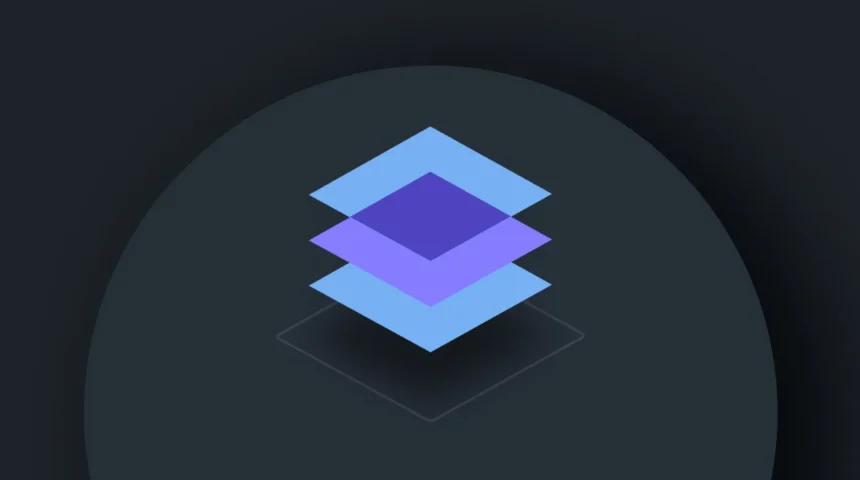
The rapid maturation of blockchain technology has transformed the digital landscape, shifting from a niche interest in cryptographic decentralization to a robust infrastructure supporting global finance. Central to this evolution is the concept of a layered architecture—a framework that categorizes blockchain functionality into three distinct tiers. By separating the foundational ledger from secondary scaling solutions and tertiary user-facing applications, developers have unlocked a pathway for Bitcoin and other networks to evolve from simple peer-to-peer ledgers into comprehensive, scalable financial ecosystems.
Layer 1: The Foundation of Trust
Layer 1, frequently referred to as L1, represents the base architecture of any blockchain network. In the context of Bitcoin, this is the original, immutable public ledger that has functioned securely since its inception in 2009. The L1 layer is defined by its core components: the network of distributed nodes, the consensus mechanism—specifically the energy-intensive but highly secure Proof of Work (PoW) verification system—and the ruleset that governs block validation.
When Satoshi Nakamoto introduced Bitcoin to the world, it existed solely as a monolithic layer. For the first several years of its existence, this architecture was sufficient. The volume of transactions was low enough that the network could process payments quickly and at minimal cost, allowing the blockchain to function as a direct, peer-to-peer exchange of value. However, as Bitcoin’s global footprint expanded, the constraints of this original design became apparent. The very features that provided Bitcoin with its unparalleled security—specifically the time required to achieve network consensus—began to pose challenges for high-volume usage.
As transaction demand surged, the network faced the "trilemma" of blockchain technology: the difficulty of balancing security, decentralization, and scalability. Increased traffic led to longer processing times and, consequently, higher transaction fees. These bottlenecks made the network less efficient for the rapid, low-value transactions that characterize everyday commerce. For Bitcoin to evolve into a viable medium of exchange for the general public, it required a shift in strategy. Rather than compromising the security of the base layer, developers looked toward building upon it, leading to the development of secondary protocols.
Layer 2: Scaling Through Functional Protocols
The emergence of Layer 2 (L2) protocols represents one of the most significant milestones in the history of blockchain scalability. By building atop the existing L1 infrastructure, these protocols effectively "offload" the transaction processing burden, enabling the network to handle an exponentially higher volume of activity without sacrificing the core security of the underlying blockchain.
The Lightning Network stands as the preeminent example of L2 architecture. It functions as a payment channel network that allows users to perform transactions instantaneously. Crucially, these transactions occur off-chain, meaning they are not immediately etched into the primary Bitcoin ledger. Instead, the Lightning Network facilitates a high-speed, low-cost environment where parties can exchange funds as often as they like. When these participants decide to settle their balance, the final state of their channel is broadcast to the L1 blockchain in a consolidated batch.
This "off-chain" approach is a fundamental shift in how we perceive transaction finality. By reducing the number of individual entries that the main blockchain must process, the Lightning Network lowers the barrier to entry for users. Small-scale payments—such as purchasing a cup of coffee or paying for digital content—become economically viable because the exorbitant fees associated with on-chain settlement are mitigated. This layer transforms Bitcoin from a slow-moving asset class into a dynamic, real-time payment rail. By maintaining a connection to the L1 security model while operating independently for the majority of operations, Layer 2 bridges the gap between Bitcoin’s original, rigid architecture and the demands of a modern, fast-paced global economy.
Layer 3: The Application and Utility Horizon
If Layer 1 is the secure bedrock and Layer 2 is the efficient highway, Layer 3 (L3) represents the architecture of the city built upon them: the application layer. This tier is where decentralized applications (DApps), gaming platforms, and sophisticated financial tools reside. Layer 3 protocols provide the interface through which users interact with blockchain technology, often abstracting away the underlying complexity of private keys, nodes, and hashes.
The primary function of L3 is to enable a diverse array of use cases. This includes cross-chain functionality, where applications can interact with different blockchains to aggregate liquidity or data, and specialized DeFi applications that offer complex financial services. Within the current Bitcoin ecosystem, the focus of L3 remains in its early stages. While many other blockchain networks have leaned heavily into hosting complex DApps, the Bitcoin network maintains a more conservative approach, prioritizing its primary mandate as a secure, decentralized store of value and medium of exchange. However, as the infrastructure provided by L1 and L2 matures, the potential for a thriving L3 ecosystem on Bitcoin grows, offering developers the opportunity to build sophisticated tools on the most secure network in existence.
Integrating Blockchain into Everyday Commerce
The transition from a theoretical understanding of these layers to practical application is already underway, particularly in the realm of merchant services. For businesses, the challenge has always been the technical barrier to entry when adopting cryptocurrency. To bridge this gap, companies like OpenNode are leveraging the functionality of the Lightning Network to provide seamless, no-code solutions for merchants.
By utilizing L2 protocols, these services allow businesses to accept Bitcoin payments at the point of sale with the same ease as traditional credit card processing. This infrastructure provides a critical bridge: it enables the merchant to receive value in Bitcoin while providing the flexibility to convert those funds into local, fiat currencies. This capability—whether the conversion happens instantly at the time of sale or on demand—mitigates the volatility risk that has historically deterred businesses from adopting digital assets.
This integration represents the ultimate goal of the layered blockchain architecture: creating a system where the complexity of decentralized ledger technology is invisible to the end user. As the L1 base provides the trust, L2 provides the speed, and L3 provides the utility, the path is cleared for Bitcoin to function not just as a digital asset, but as an integral component of the global payment infrastructure. For merchants, this shift means faster settlement times, reduced overhead, and the ability to tap into a global, borderless market that is increasingly demanding the efficiency that only a properly layered blockchain can provide. Through these technical advancements, the promise of a digital, decentralized economy continues to move toward mainstream reality.

Related News