A Wave of Cyberattacks Targets Critical Infrastructure and Food Supplies Across Europe
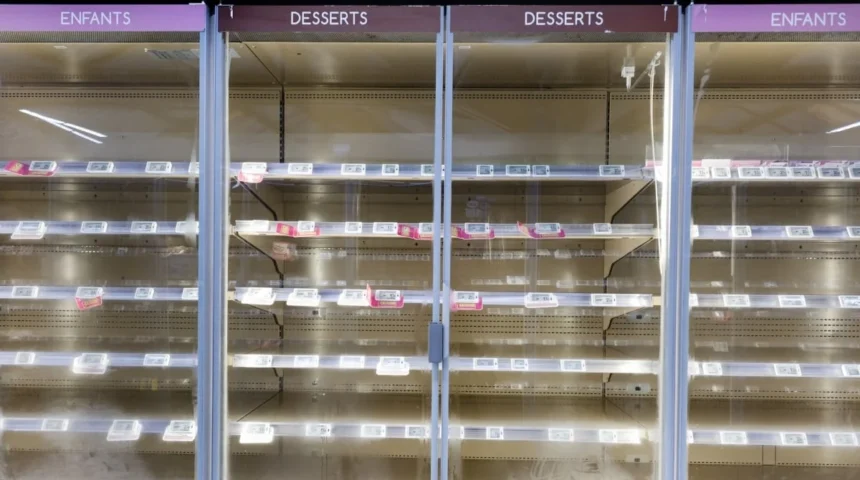
A coordinated wave of sophisticated cyberattacks swept across multiple European countries this week, striking critical civilian infrastructure, major supermarket chains, and vital medical supplies. The digital intrusions, which targeted remotely controlled refrigeration and cooling systems, compromised grocery store networks across the United Kingdom and several member states of the European Union. In France, the attacks took an even more alarming turn, directly threatening facilities housing essential national blood reserves.
The incidents mark a dramatic escalation in cyber-enabled physical sabotage, moving digital threats beyond traditional data theft and ransomware extortion into the realm of tangible infrastructure disruption. Security analysts and intelligence officials are closely examining the geographic breadth and synchronized timing of the attacks, which have reignited concerns regarding the vulnerability of interconnected operational technology and Internet of Things devices used in commercial and public sectors.
The most critical incident unfolded in France, where three cold storage facilities operated by EFS, the nation’s public blood, plasma, and platelets service, were targeted over the course of Sunday and Monday. According to EFS officials, malicious actors gained remote access to the climate-control infrastructure governing the specialized storage containers and intentionally raised internal temperatures to dangerously high levels.
Had it not been for automated safety protocols, the consequences could have been catastrophic. Technicians were promptly alerted to the sudden thermal spike by onboard emergency alarms. Acting swiftly, staff members intervened to relocate the vulnerable blood products before the temperature increases could render the sensitive plasma, platelets, and whole blood supplies completely unusable. While disaster was averted in this instance, the attack underscored the profound physical risks associated with the remote management of medical logistics and healthcare supply chains.
The disruption extended far beyond medical facilities. Shortly after the intrusions at the French blood banks, a massive technical malfunction rippled through commercial retail operations. Supermarket freezers and commercial refrigerators began malfunctioning simultaneously across a broad swath of the continent. Retail outlets in the United Kingdom, Italy, Germany, Romania, Belgium, Estonia, Ireland, Finland, Luxembourg, the Netherlands, and Sweden reported sudden equipment failures, with numerous cooling units unexpectedly forcing themselves into defrost mode.
In several instances, the remote manipulation caused temperatures inside commercial cooling units to soar to 122 degrees Fahrenheit. The sudden and unmanageable heat spikes resulted in the immediate spoilage of massive quantities of perishable goods, generating millions of euros in financial losses for grocery retailers and suppliers. The sheer scale of the retail disruption highlighted systemic vulnerabilities in the centralized digital management systems used by modern supermarket chains to monitor temperature compliance and inventory preservation.
This week’s continent-wide disruptions bear a striking resemblance to a series of similar cyber-enabled attacks that rattled the retail sector in previous months. Last month, a concentrated wave of digital sabotage struck hundreds of French grocery stores, operated by chains such as Intermarche, where refrigeration units were manipulated not only to ruin food supplies but to spark localized electrical fires through forced overheating.
The threat has not remained confined to Europe. In August, commissaries situated at half a dozen United States military installations reported similar bizarre malfunctions. In those incidents, commercial freezers and cold storage units were remotely commanded to enter defrost cycles overnight, leading to the total loss of perishable food supplies maintained for service members and their families. The United States Department of Defense launched a formal investigation into the military base incidents, an inquiry that remains active and ongoing as federal investigators attempt to trace the origin of the remote commands.
As government agencies, cybersecurity firms, and affected corporations struggle to piece together the mechanics of the recent breaches, the question of attribution remains at the forefront of international concern. To date, no individual hacker, criminal collective, or political organization has stepped forward to claim responsibility for the sabotage campaigns targeting European blood services and international grocery store chains.
Despite the lack of an explicit claim, intelligence experts and security authorities across Europe are actively investigating potential state involvement. European intelligence analysts have increasingly pointed to the possibility that foreign actors—specifically Russian intelligence agencies and affiliated operatives—may be orchestrating or recruiting localized online actors to commit physical and digital sabotage within NATO member nations. As investigations continue, the incidents have prompted renewed calls across governments and industries to fortify the security boundaries protecting critical operational technology from unauthorized remote access.

Related News