AI Tools Become the Prime Bait for Surging "ClickFix" Social Engineering Attacks
The cybersecurity landscape has undergone a dramatic shift in how initial access is achieved, with social engineering tactics moving aggressively away from traditional email vectors and into search engines and browser-native environments. Among these techniques, a methodology known as "ClickFix" has quickly escalated into one of the most pervasive threats facing modern enterprises. First emerging around 2024, ClickFix has evolved from a novel concept into a sprawling ecosystem of sub-techniques—including FileFix, InstallFix, TerminalFix, and the browser-native ConsentFix—capturing a massive share of cybercriminal operations and bypassing traditional defenses with alarming efficiency.
Data compiled from detection telemetry highlights the unprecedented velocity of this growth. According to security analytics from Push Security covering the second quarter of 2026, ClickFix accounted for an average of 52 percent of all detections on their platform, temporarily eclipsing traditional vectors such as adversary-in-the-middle (AiTM) and device code phishing. By August of that same year, that figure surged to an astonishing 67 percent.
The delivery mechanisms for these campaigns underscore a fundamental change in attacker methodology. While roughly half of all browser-based attacks intercepted by Push arrive via channels other than email—such as search engines and social media—ClickFix exhibits an even starker concentration. In 2026, four out of every five ClickFix pages intercepted originated directly from search engines, driven by a combination of compromised legitimate websites, malicious advertisements, and sophisticated search engine optimization (SEO) poisoning.
AI Tools Emerge as the Newest Lure
As user habits evolve, threat actors have naturally adapted their lures to exploit contemporary workflows. The latest variants of ClickFix leverage the surging popularity of artificial intelligence tools as primary bait, catching corporate users off guard by seamlessly blending in with legitimate traffic and approved generative AI applications.
In recent quarterly snapshots, AI-themed variants such as InstallFix and LLMshare constituted roughly 5 percent of all detected ClickFix activity. Independent researchers have observed parallel trends across the broader threat landscape. Analysis of public sandboxes by ANY.RUN revealed over 1,200 instances linked to fake AI tool campaigns within a multi-month window, with an overwhelming 81 percent impersonating prominent platforms such as Claude, ChatGPT, and Codex. Nearly half of these campaigns relied on instructions directing victims to paste malicious commands via fake command-line interface (CLI) installation pages or download portals using ClickFix frameworks, while another quarter originated from shared AI chat sessions or artifacts.
These campaigns succeed because widespread AI adoption has normalized risky operational habits within the modern workforce. Employees who previously never interacted with a command line now routinely copy and paste terminal installation commands from web pages as a standard method for testing new applications. Because modern developer tools frequently distribute updates via one-line terminal installers, attackers have found a frictionless way to substitute legitimate instructions with malicious payloads. Furthermore, the tendency for workers to search for AI applications via search engines rather than navigating to them directly places users precisely where ClickFix delivery mechanisms lie in wait.
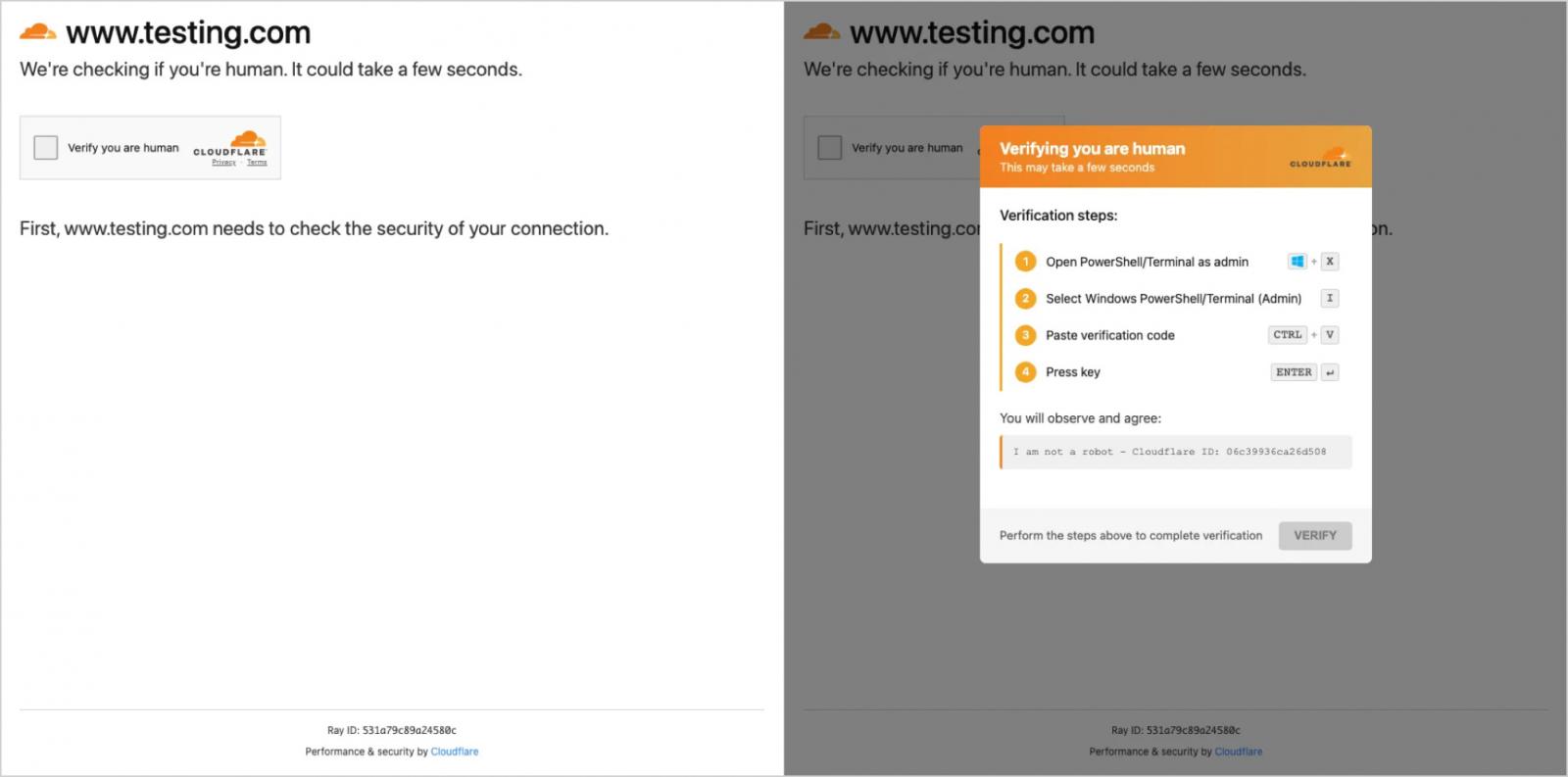
InstallFix and LLMshare: Exploiting Modern Workflows
The mechanics behind these campaigns rely heavily on advanced cloaking and deception. InstallFix, initially documented by Push Security, utilizes cloned installation pages for popular utilities—including developer tools and platforms like NotebookLM, which lacks a desktop installer entirely—promoted through search advertisements.
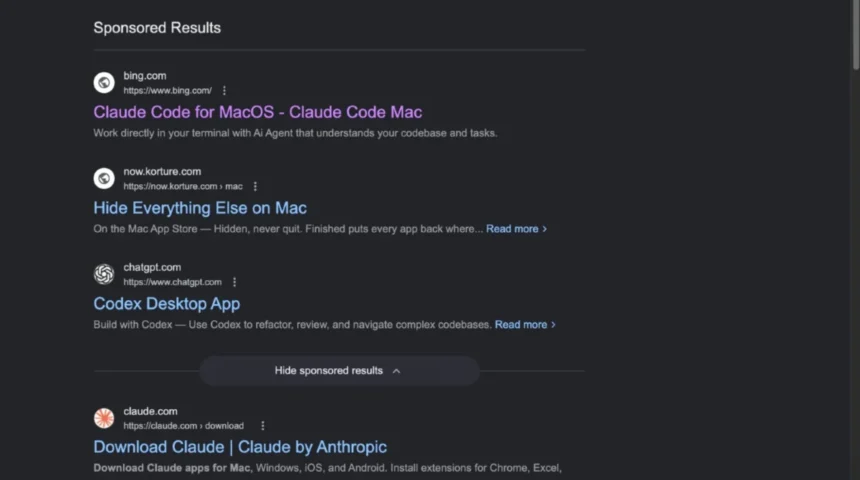
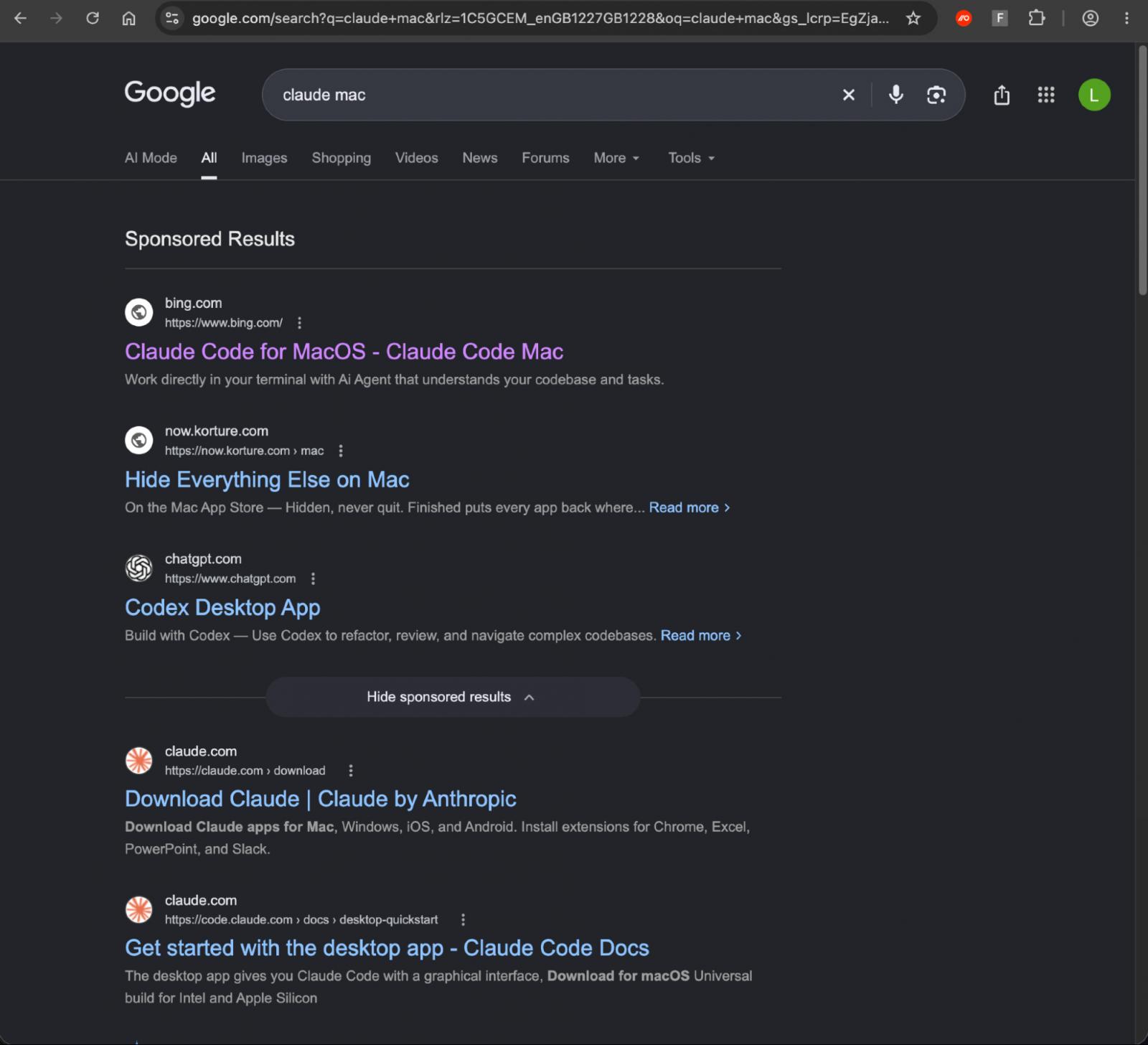
In a typical observed attack scenario, a search query for a Mac-compatible version of an AI assistant returns a sponsored advertisement that deceptively displays a recognized domain. Upon clicking, the visitor is routed through click-tracking redirects to a compromised retail website, which subsequently forwards them to a convincing counterfeit download portal. Multiple layers of cloaking, including server-side referrer checks and page-level scripts, ensure that security scanners or casual visitors arriving outside the intended ad funnel are redirected to benign pages or error notifications.
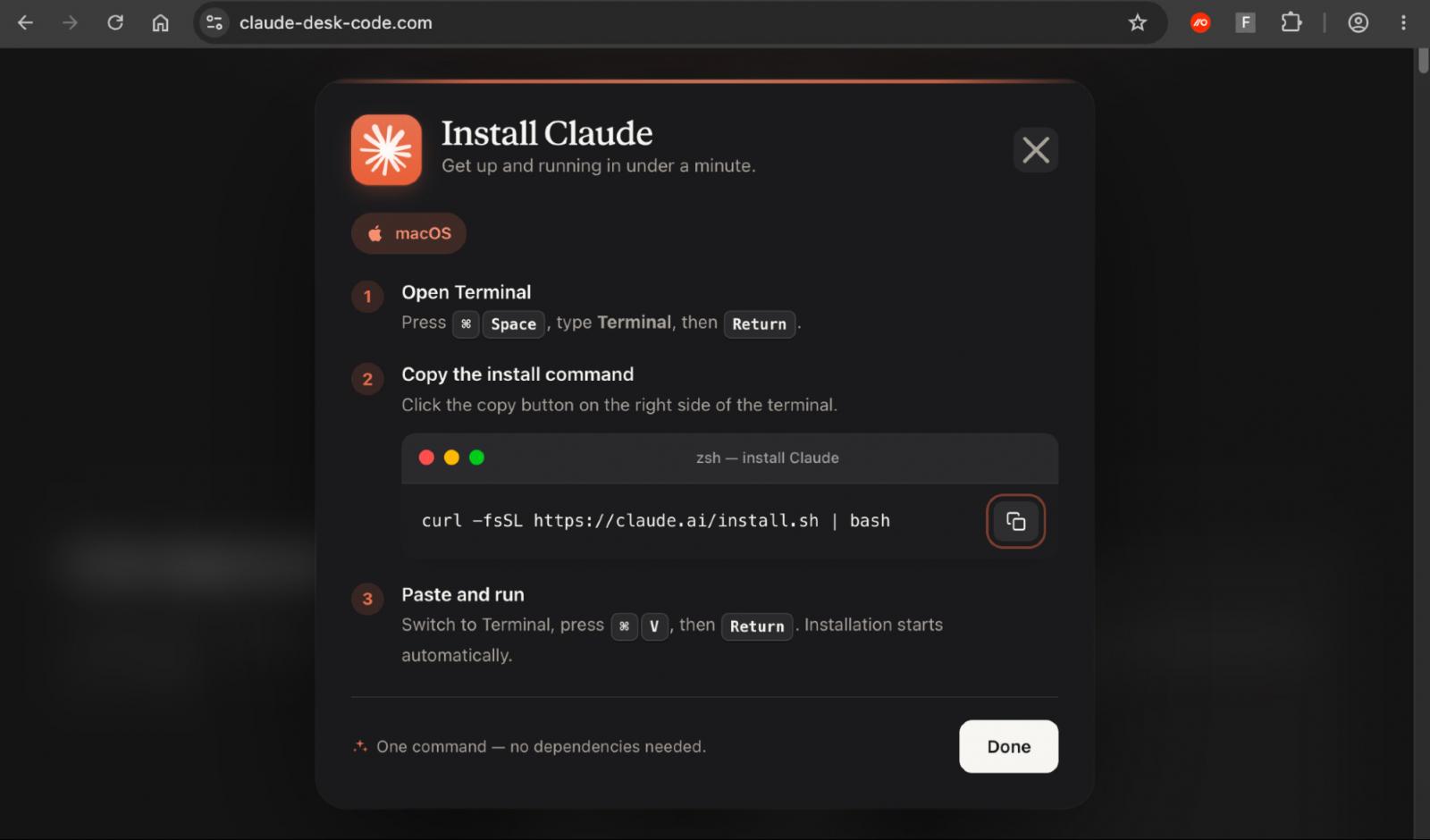
Once on the malicious page, the interface is meticulously designed to deceive both vigilant users and visual security controls. The site displays the genuine installation command provided by the software vendor, but an invisible script intercepts the clipboard action when the user clicks the copy button. Instead of the authentic command, a malicious script is copied. This hidden payload often prints a legitimate-looking URL in the terminal window to maintain the illusion of authenticity while simultaneously decoding a hidden remote script and piping it directly into the shell without saving any files to the local disk.
Beyond standalone fake installation pages, threat actors have also weaponized the sharing features of legitimate AI platforms through a technique designated as LLMshare. By establishing shared chats and interactive artifacts on prominent AI portals containing malicious instructions or links to counterfeit download pages, attackers can leverage the inherent trust associated with established domain reputations.
More recent iterations have advanced to utilize custom generative pre-trained transformers. Attackers configure these custom AI bots to serve as conversational lures. When interacting with the bot, users receive responses directing them to fake service outage notices or availability updates hosted on third-party cloud services, which in turn deliver Windows ClickFix payloads. Such conversational setups exhibit high conversion rates because the interaction mimics normal usage patterns right up until the moment the malicious link is introduced.
The Underlying Drivers Behind ClickFix Dominance
The explosive rise of ClickFix is further corroborated by broader industry data, including Microsoft’s Digital Defense Report, which tracked a twenty-three-fold increase in ClickFix volume over a brief six-month span. Observations from security telemetry indicate that attacker-supplied commands are executed on millions of unique devices, boasting exceptionally high conversion rates that frequently culminate in immediate malware deployment.
ClickFix successfully penetrates standard enterprise security layers by exploiting fundamental blind spots in traditional detection architectures. Because victims execute commands manually within legitimate command shells, the activity often fails to trigger the specific process-chain heuristics monitored by endpoint detection and response agents. Furthermore, because many payloads execute entirely in memory, they leave minimal file artifacts for automated sandboxes to analyze. Threat actors frequently employ heavy string obfuscation across numerous binary variants to evade signature-based matching.
Investigating these incidents post-compromise remains exceptionally difficult due to environmental conditionals built into modern campaigns. Sophisticated threat groups frequently restrict the delivery of malicious lures, serving them exclusively to targeted email addresses or IP address blocks that match specific reconnaissance criteria. Once a visitor receives the payload, subsequent requests from the same network origin may be met with clean pages, obscuring the attack vector from security analysts attempting retrospective triage.

Related News