Apple’s Highly Anticipated iPhone Duo Arrives With Early Praise—and Rumors of Future Fixes Already Underway
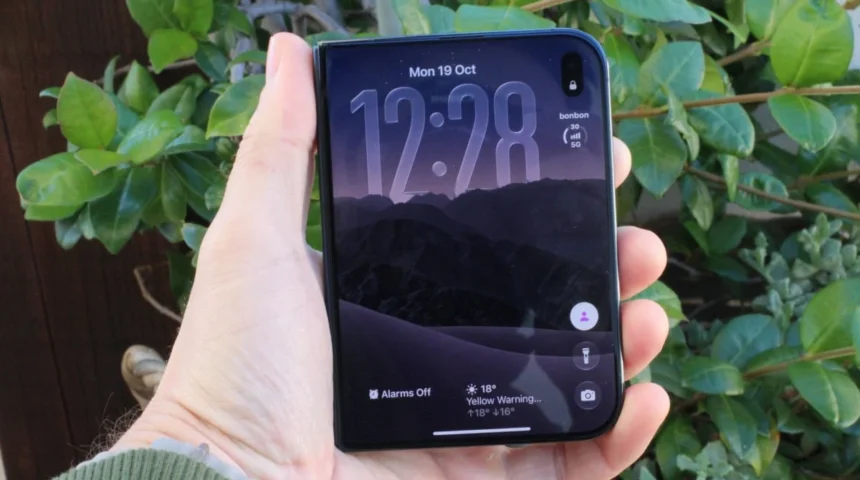
The official release of the iPhone Duo is just hours away, yet reliable industry insiders are already looking far beyond tomorrow’s launch. Even as consumers prepare to get their hands on Apple’s latest hardware innovation, prominent tech journalist Mark Gurman has revealed that development on both the iPhone Duo 2 and the iPhone Duo 3 is already well underway inside Apple’s Cupertino headquarters.
Early reviews for the groundbreaking device have begun to circulate across the technology landscape, with many analysts and reviewers offering high praise for Apple’s latest form factor. Among them, Mashable Senior Editor Stan Schroeder described the new device in his official review as the "most interesting iPhone since the first one." However, despite the widespread fascination with the hardware’s design and engineering, early hands-on evaluations have also highlighted a notable point of friction for modern iOS users: the device’s heavy reliance on Touch ID rather than the facial recognition technology that has defined flagship iPhones for years.
While the modern Apple ecosystem has largely transitioned to Face ID as the primary biometric standard for unlocking devices, authorizing payments, and accessing secure apps, the iPhone Duo utilizes a traditional Touch ID fingerprint sensor integrated into its side button. This design choice has emerged as one of the primary talking points among early testers, who have grown accustomed to the seamless, touchless authentication style popularized by previous generations of iPhones.
Addressing this user feedback during a recent appearance on the Bloomberg "Power On" podcast, consumer technology managing editor Mark Gurman shared exclusive insights regarding Apple’s future hardware roadmap. According to Gurman, prototypes of the iPhone Duo 2 equipped with advanced under-display technology are already circulating within secret engineering labs at Apple, suggesting that the company is actively working to address the biometric preferences of its user base.
"I’m told there are iPhone Duo 2 prototypes at Apple already that have an under-display Face ID sensor and camera on the outside screen, so that is something we could see," Gurman reported during the podcast. He added that consumers can reasonably anticipate seeing this biometric transition implemented within the first few hardware iterations. "So, I would anticipate this Touch ID to Face ID thing is fixed by the first update or the second update, so in the next two to three years or so."
Gurman’s reporting indicates that Apple is aggressively experimenting with integrating an under-display Face ID sensor and camera system specifically designed for the Duo’s outer display. This developmental pursuit represents only one of several different technological features and design adjustments that Apple engineers are currently evaluating for the upcoming iPhone Duo 2 and iPhone Duo 3 product cycles.
Given Gurman’s remarkably consistent track record for uncovering accurate, unannounced Apple products and internal corporate strategies, his latest reporting offers a reassuring signal to consumers who might be hesitant about stepping back toward fingerprint-based authentication. It appears clear that while the first-generation device relies on side-mounted Touch ID due to current engineering constraints or design priorities, Apple views facial recognition as an essential long-term component of the product line.
The friction caused by the absence of Face ID was a central theme in early evaluations of the hardware. In his comprehensive review for Mashable, Stan Schroeder elaborated on the daily user experience of navigating the device’s security architecture. "Perhaps the biggest issue for me was the lack of Face ID, which was replaced by Touch ID on the side button," Schroeder wrote. He acknowledged the functional reliability of the physical sensor, noting that "the Touch ID works well, but you do need to navigate your finger to it often, and having the phone simply recognize your face as it does on other iPhones would be easier."
Despite the debate over biometric security preferences, market anticipation surrounding the official debut remains remarkably high. The iPhone Duo has been available for consumer preorders following its initial announcement, and retail availability is officially scheduled to begin on Friday, October 23. As consumers line up to purchase what many are calling a transformative milestone in mobile device design, the revelation that Apple is already engineering solutions to early critiques demonstrates the company’s responsiveness to consumer habits and expectations as it carves out a new path in the evolving portable device market.

Related News