AWS will be a $1T business, Jassy says. But first, it will spend big.
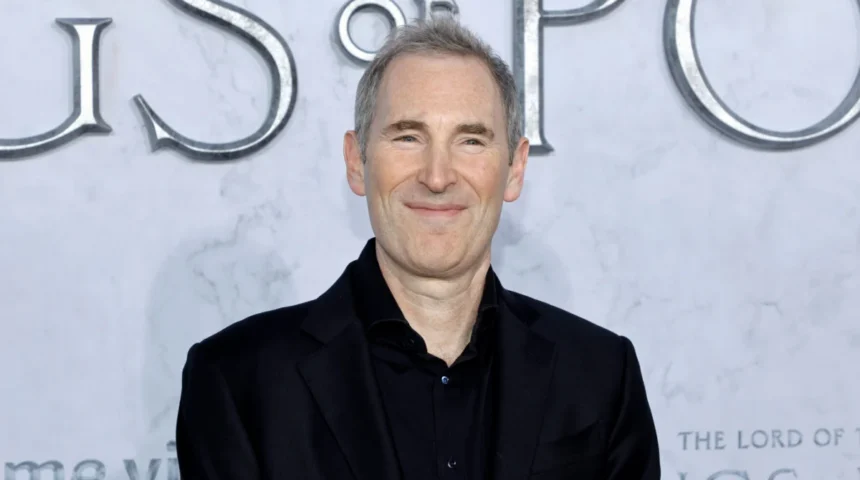
"What we’re building at Amazon is unlike anything that’s ever been seen before. There has never been a business with a trillion dollars of annual revenue," Jassy said during the call, emphasizing the unprecedented scale of the corporate milestone the e-commerce and cloud titan is actively chasing.
However, before AWS can reach that stratospheric valuation and revenue tier, Amazon is going to have to significantly ramp up its capital expenditures. The company must aggressively build out the massive physical and digital infrastructure necessary to support that rapidly blossoming, AI-driven business. Jassy revealed during Thursday’s financial briefing that the corporation still expects its cash capital expenditures for 2026 to hit approximately $220 billion, with the vast majority of that monumental sum earmarked directly for AWS. Furthermore, he warned stakeholders that Amazon expects to spend meaningfully more in 2027, though he maintained that leadership has a clear line of sight to attract robust financial returns on those heavy investments.
Amazon’s massive spending spree on its artificial intelligence infrastructure buildout has been an ongoing source of concern and debate for investors throughout the year. During Thursday’s conference call, Wall Street analysts repeatedly pressed Jassy to explain the rationale behind the eye-watering expenditures. They sought concrete signals that the projected growth will materialize as promised, and questioned what kind of profit margins the company realistically expects to yield once the dust settles.
In response, Jassy told analysts that every dollar is money well spent. He explained that the e-commerce and cloud giant is aggressively positioning itself to capitalize on a historic moment in global cloud demand, which is being supercharged by the explosive rise of generative artificial intelligence and enterprise machine learning workloads. The numbers underlying this demand remain striking. AWS revenue increased by 39 percent from the same period a year ago, marking a steady, impressive trend of growth for the cloud division for the sixth consecutive quarter. Looking ahead, the CEO forecast during the call that this revenue growth rate would actually accelerate to 40 percent not just next year, but in 2028 as well.
"AWS is a $184 billion annualized revenue run-rate business, and yet the opportunity remains extraordinary," the CEO enthused to listeners on the call. "With our continued pace of innovation, new core and AI functionality, enterprises wanting to run their core and AI workloads in AWS, and the amount of capacity that we’re adding each year, we believe that AWS can grow north of 40 percent in each 2027 and in 2028, and be a trillion-dollar revenue business in the next five to 10 years."
Jassy added context to the hyper-growth phase by noting that the company is still "in the very early days" of enterprise AI adoption. So far, he asserted, the overarching strategy is clearly working and resonating with corporate customers worldwide.
Later in the call, when questioned again about why the capital investment required to grow AWS must be so substantial, Jassy characterized the current AI boom as a "once-in-a-lifetime opportunity." He argued that this monumental market shift required, and was entirely worth, such a massive financial commitment right now to secure long-term market dominance.
"We’re going to invest to continue being the leader," he stated firmly. "We can fund this plan, and I think it will forever change the size of Amazon. It will forever change our revenue."
Despite Jassy’s bullish long-term outlook and the impressive revenue expansion of his cloud unit, investors remained deeply concerned about the immediate financial burn. Shares of Amazon were down about 6 percent on Thursday in after-market trading following the earnings report and the capital expenditure forecasts.
The broader AI boom has proven to be a complex, mixed blessing for the entire cloud computing industry. Because the sophisticated AI services that underpin the current technological revolution rely entirely on robust underlying cloud infrastructure, providers are caught in a massive capital race. Like Amazon, rival cloud giants are spending unprecedented amounts of money while simultaneously bringing in record-breaking earnings. Microsoft, for instance, recently posted yet another quarter of record-breaking revenue growth, driven largely by the surging demand for its own cloud business. Yet, like Amazon, Microsoft has also spent a massive bundle of cash to build out the required data centers and specialized hardware to keep pace with the market.

Related News