Lazarus Group Adopts Post-Quantum Cryptography in Advanced "FlashHole" Cyberattacks Against South Korean Organizations
North Korean state-sponsored threat actors have integrated advanced post-quantum cryptographic mechanisms into their latest malware delivery operations, marking a notable evolution in the technical sophistication of nation-state cyber espionage. Cybersecurity researchers have uncovered a complex, multi-stage campaign targeting high-value sectors in South Korea, employing a hybrid approach that blends legacy malware families with cutting-edge encryption standards designed to shield command-and-control communications and obscure malicious payloads from modern security monitoring tools.
The sophisticated offensive campaign, which security analysts at Kaspersky have designated under the moniker "FlashHole," has been attributed with high confidence to the notorious Lazarus Group. According to the research findings, the activity commenced as early as July 2025, systematically targeting organizations operating in critical economic sectors. Investigators have formally identified at least three prominent South Korean companies affected by the operation, spanning the software development, construction, and wired communication equipment manufacturing industries, though researchers strongly suspect that the true scope of the campaign encompasses a broader array of unconfirmed victims.
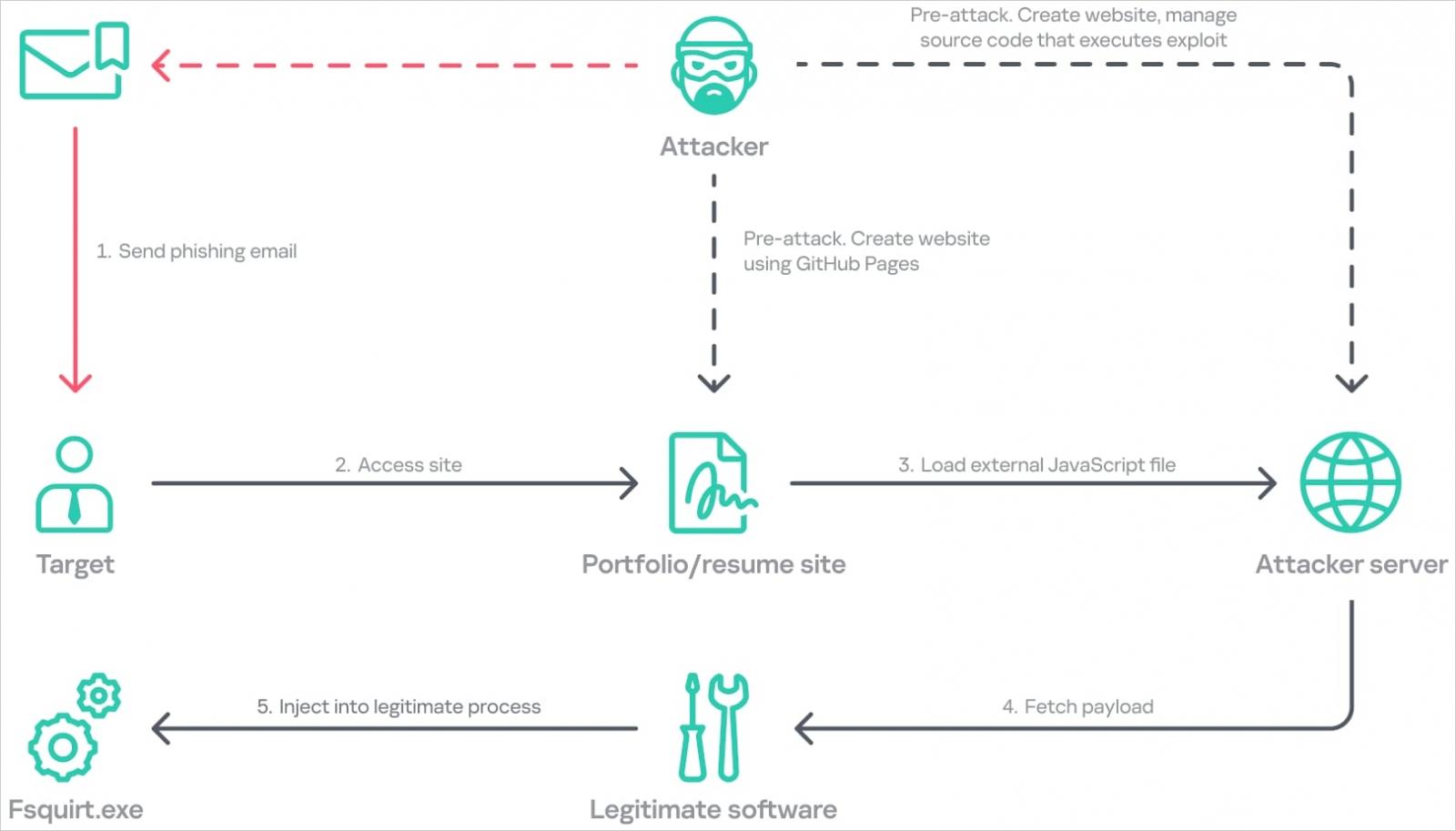
The operational infrastructure behind FlashHole utilizes a remarkably convoluted infection chain that heavily leverages trusted platforms and legitimate administrative binaries to achieve stealth and persistence. The initial compromise vector typically relies on strategically deployed phishing pages designed to lure unsuspecting targets toward specially crafted, malicious GitHub repositories. Once a user navigates to these compromised repositories, the landing pages execute external JavaScript code from remote domains, triggering an in-memory execution sequence that exploits popular local software infrastructure.
The Multi-Stage Infection Chain
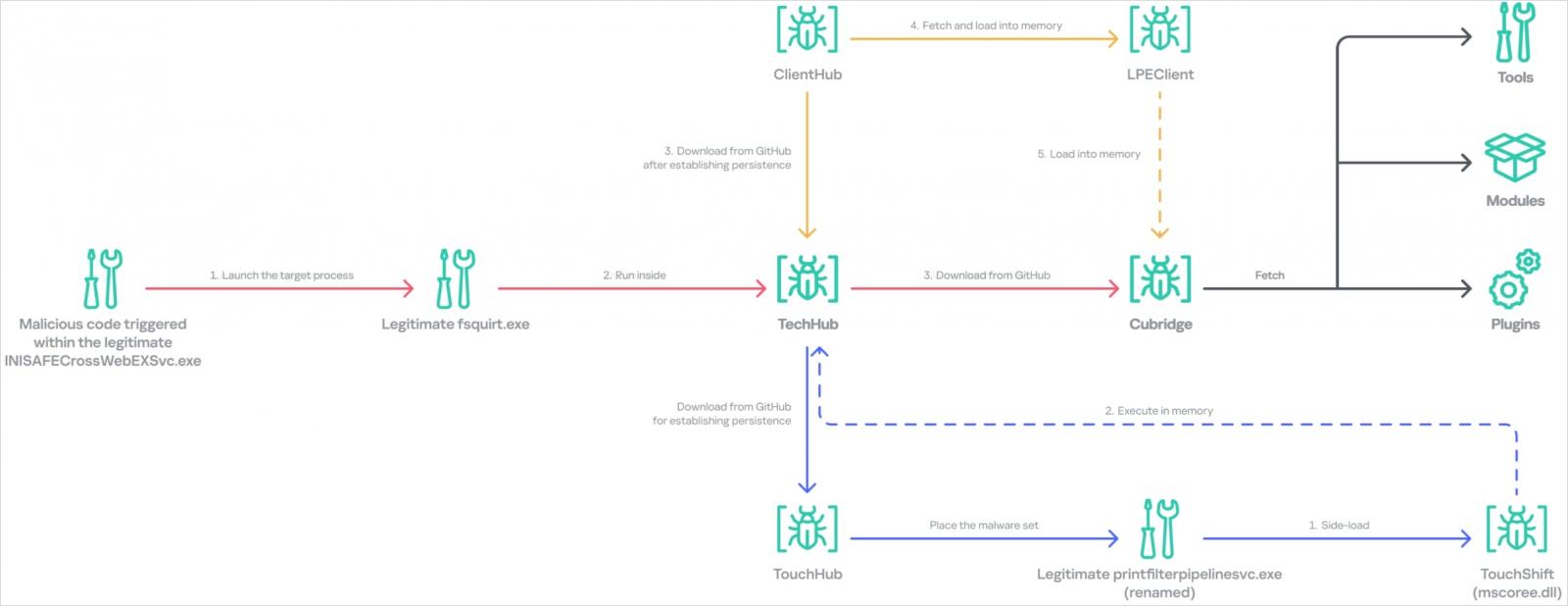
Central to the initial execution phase of the FlashHole campaign is the abuse of INISAFE CrossWeb EX, a widely utilized security and authentication tool deeply embedded within the South Korean digital ecosystem. By manipulating this legitimate software tool, the attackers force the underlying system processes to execute fsquirt.exe, a standard, legitimate Windows binary typically associated with Bluetooth file transfers. This living-off-the-land technique allows the threat actors to silently run custom shellcode without immediately raising the alarms of endpoint detection and response systems.
The executed shellcode subsequently installs a custom downloader known as TechHub. The primary responsibility of TechHub is to query private GitHub repositories controlled by the Lazarus Group, retrieving additional modular payloads and staging them directly within the system memory of the host machine.
To manage communication and handle post-compromise activities, the operators deploy an array of specialized tools, most notably ClientHub. This versatile loader functions as a bridge within the environment, supporting secondary communications through legitimate cloud infrastructure such as Dropbox while simultaneously facilitating direct, localized data exchange with older, trusted malware families utilized by the Lazarus Group, specifically a reconnaissance and privilege-escalation tool known as LPEClient.
LPEClient serves a critical function in the victim profiling phase. It acts as the primary vehicle for receiving heavily encrypted payloads relayed through ClientHub, systematically mapping the compromised network while evading active security telemetry. Alongside LPEClient, researchers observed the deployment of Cubridge, a highly modular backdoor designed to grant the attackers extensive capabilities over the infected machine. Cubridge provides comprehensive file management, remote command execution, and detailed system reconnaissance, while also supporting advanced surveillance features such as capturing screenshots and fetching additional operational tools on demand. Furthermore, the toolkit incorporates specialized modules specifically engineered to target Chromium-based web browsers, systematically harvesting stored user account credentials, session cookies, and extensive browsing histories.
Despite the utilization of various disk-based persistence mechanisms required to maintain access across reboots, the vast majority of the Lazarus Group’s operational code executes entirely within the volatile memory of the host system. This fileless operational philosophy drastically reduces the forensic footprint left behind on infected endpoints, complicating traditional incident response investigations.
Implementing Post-Quantum Cryptography
The most technically significant aspect of Operation FlashHole is the Lazarus Group’s implementation of the standardized ML-KEM post-quantum cryptographic mechanism. ML-KEM, a National Institute of Standards and Technology (NIST)-approved encryption standard, has been increasingly adopted across various mainstream software projects and internet protocols as a vital defense mechanism against prospective "harvest now, decrypt later" cyberattacks, wherein threat actors intercept and store encrypted data today with the intention of deciphering it once cryptographically relevant quantum computers become commercially viable.
However, in the context of the FlashHole campaign, the Lazarus Group has repurposed this advanced standard not for long-term data archiving protection, but as an immediate operational shield to safeguard active command-and-control communications and obfuscate the live delivery of malicious payloads from automated inspection systems.
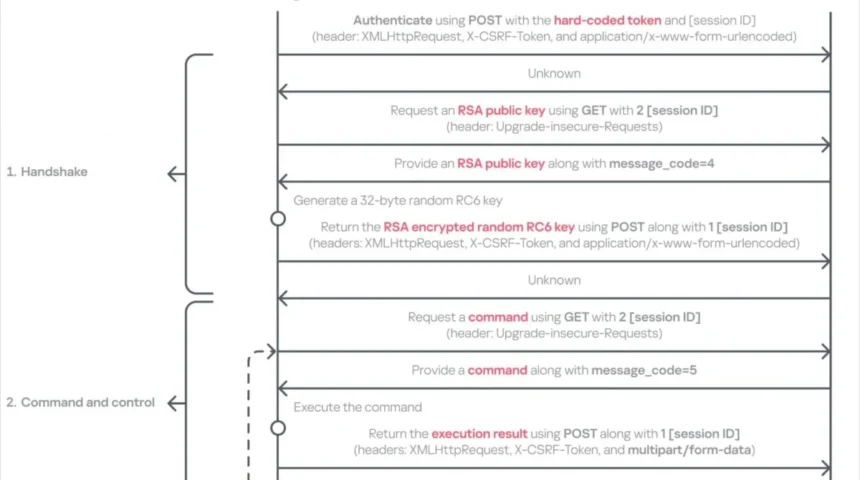
Technical analysis conducted by Kaspersky indicates that during the execution cycle, LPEClient requests and receives a specific byte array from the command-and-control infrastructure. This array comprises four distinct 1,568-byte blocks, each containing a valid ML-KEM-1024 public key. Utilizing these blocks, LPEClient generates four separate pairs of shared cryptographic keys and corresponding ciphertexts.
Following this generation phase, the malware encrypts the resulting ciphertexts using the GOST encryption algorithm before transmitting them securely back to the command-and-control server via the ClientHub loader. The newly established shared secrets subsequently supply the necessary cryptographic key material for the Threefish encryption algorithm, which is employed to finally decrypt the incoming server response containing operational parameters and the core executable payload.
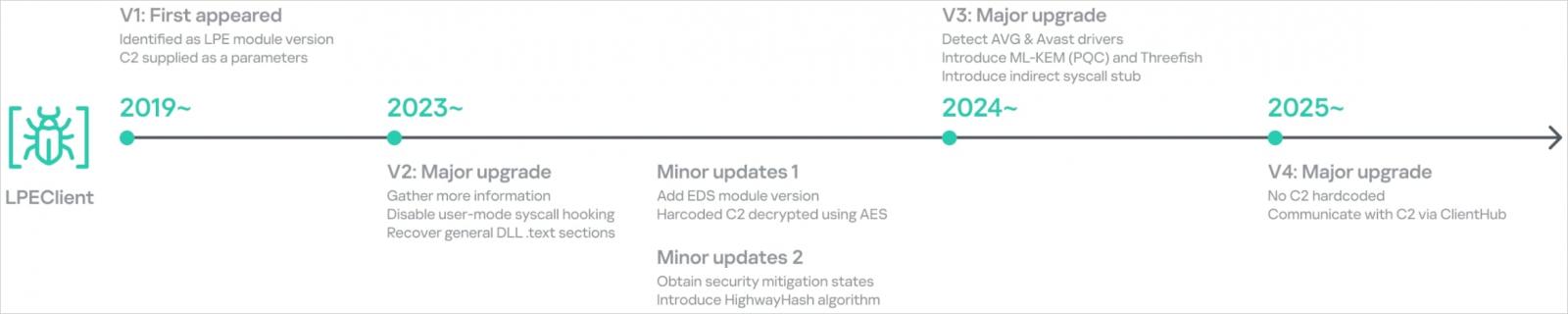
The ultimate payload delivered through this intricate cryptographic handshake is Cubridge, which LPEClient then reflectively injects and executes directly within the host’s memory space. Security researchers emphasize that combining an in-memory execution chain with NIST-approved post-quantum cryptography represents a calculated effort by the threat actors to minimize detection risks and thoroughly confuse security analysts attempting to intercept live network traffic.
The adoption of post-quantum cryptography in this capacity underscores a shifting paradigm in advanced persistent threat operations, where nation-state actors are swiftly incorporating cutting-edge cryptographic research into active cyber espionage toolkits to protect their operational infrastructure. Kaspersky researchers have formally contextualized Operation FlashHole within a broader, ongoing initiative designated as Cascade Hole activity, linking the campaign with moderate-to-high confidence to earlier Lazarus operations, including the previously documented Operation SyncHole watering hole attacks.

Related News