Trump admits war on Iran led to election wipeout but he ‘had to do it’
In remarks addressing the fallout from the election, the president conceded that the armed confrontation heavily alienated voters and "largely" caused what political analysts have characterized as a sweeping electoral wipeout for the GOP. Despite the devastating impact at the ballot box, Trump defended the administration’s strategic decisions regarding Tehran, insisting that national security imperatives left him with no alternative. "We had to do it," Trump stated, framing the military escalation as an essential action despite the immediate political repercussions.
The admission brings into sharp focus the heavy political costs associated with the administration’s foreign policy maneuvers in the Middle East. The military engagement with Iran, which has dominated the global geopolitical landscape and heightened domestic anxieties, quickly became the central issue for American voters. As election results rolled in, laying bare significant losses for Republican candidates across multiple key races, the toll of the conflict on the party’s standing became unmistakably clear.
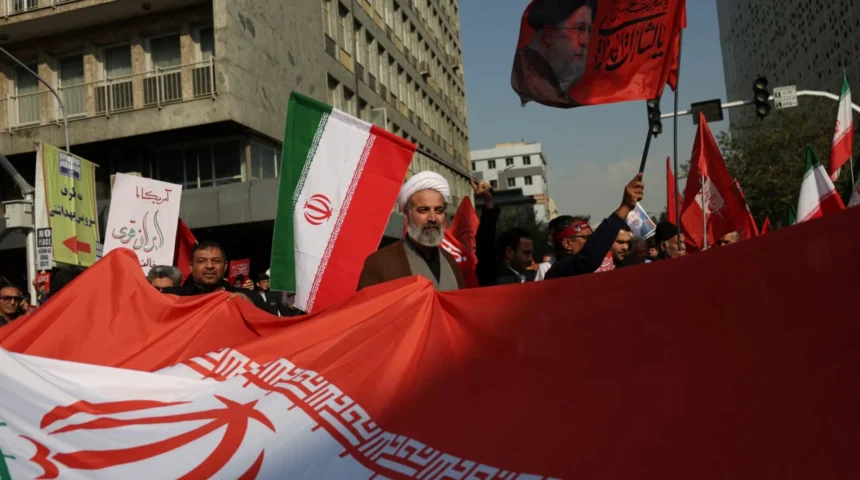
The political fallout coincides with heightened tensions overseas. In Tehran, citizens recently marked the 47th anniversary of the historic expulsion of the United States from the country, a sombre and defiant commemoration that underscores the deep-seated and enduring hostility between the two nations. Events in the Iranian capital reflected the volatile atmosphere that has persisted for decades, now exacerbated by the recent military flare-ups and strategic confrontations that ultimately reverberated through the American domestic political sphere.
For the administration, the electoral defeat represents a severe legislative and political hurdle. Lawmakers from both sides of the aisle have spent months grappling with the ramifications of the confrontation with Iran, balancing strategic objectives against mounting public fatigue over foreign entanglements. While supporters of the administration have argued that decisive action against Tehran was critical to safeguarding American interests and allies in the region, critics have consistently pointed to the escalation as a reckless gamble that isolated international partners and triggered domestic economic and political turbulence.
The president’s frank assessment acknowledges a reality that political strategists have analyzed in the wake of the vote: foreign policy crises, particularly those involving active military conflict and the specter of prolonged escalation, rarely leave domestic political landscapes unscathed. Voters facing economic uncertainties at home proved deeply sensitive to the broader instability associated with the conflict, translating their anxieties into a decisive rebuke at the polls.
As the administration looks toward the remainder of its term, the political landscape has been fundamentally reshaped by the electoral losses. The domestic chessboard now requires a delicate navigation of diminished legislative leverage, even as the international arena continues to demand constant attention regarding the ongoing situation with Iran. Whether the strategic rationale provided by the White House will resonate with a public and a Congress chastened by the electoral wipeout remains one of the defining questions of the current political era.
The convergence of high-stakes foreign policy and domestic electoral accountability highlights the immediate pressures facing political leaders when military actions intersect with the ballot box. With the president himself drawing a direct line from the conflict in the Middle East to the heavy losses suffered by his party, the debate over the true cost of the confrontation—both in geopolitical terms and in domestic political capital—will undoubtedly continue to shape the national conversation for the foreseeable future.

Related News