U.S. Agencies Issue Urgent Warning as Hackers Target Global Industrial Refrigeration and Cold-Chain Systems
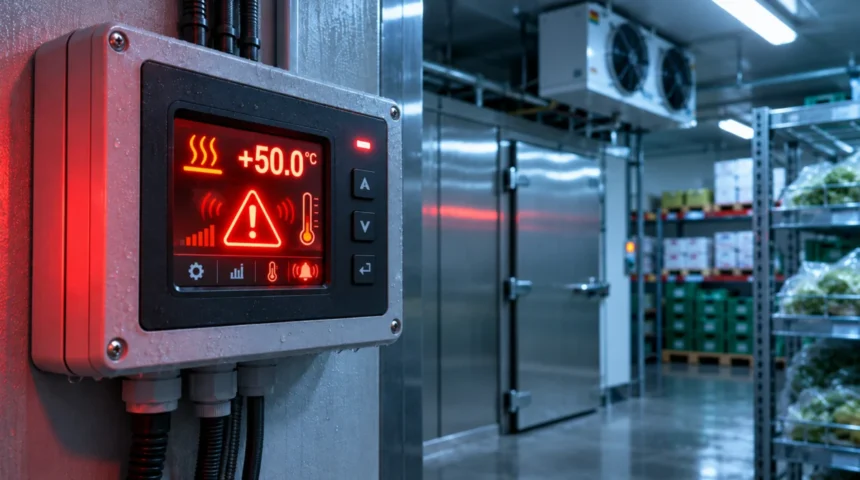
The United States government has issued an urgent, coordinated warning to critical infrastructure operators worldwide, cautioning that malicious cyber actors are actively targeting industrial refrigeration and cold-chain monitoring systems. The joint advisory, published on Thursday, outlines a severe and growing threat landscape where digital compromises of cooling infrastructure could lead to catastrophic consequences, including widespread food spoilage, severe equipment damage, hazardous chemical releases, and even life-threatening fire hazards across multiple vital sectors.
The cybersecurity alert was issued collectively by the Federal Bureau of Investigation (FBI) and the Cybersecurity and Infrastructure Security Agency (CISA). They were joined by the U.S. Departments of Health and Human Services (HHS), Agriculture (USDA), and Transportation (DOT). Together, these federal agencies are pressing operators responsible for critical infrastructure—ranging from healthcare facilities and food production plants to chemical manufacturing operations and international supply chain transportation networks—to immediately secure vulnerable refrigeration controllers that currently lack adequate defenses.
"Every organization that depends on refrigeration and monitoring systems should assume it could be a target," said Chris Butera, CISA’s Acting Executive Assistant Director for Cybersecurity, emphasizing the pervasive and indiscriminate nature of the ongoing cyber campaign.
According to the official advisory, threat actors are systematically exploiting critical security weaknesses found in unpatched, legacy, or internet-accessible electronic temperature controllers and commercial refrigeration management systems. These specialized digital devices play an indispensable role in modern industrial and commercial operations, allowing facilities personnel to monitor internal temperatures remotely, manage automated defrost cycles, and precisely control heavy-duty cooling equipment.
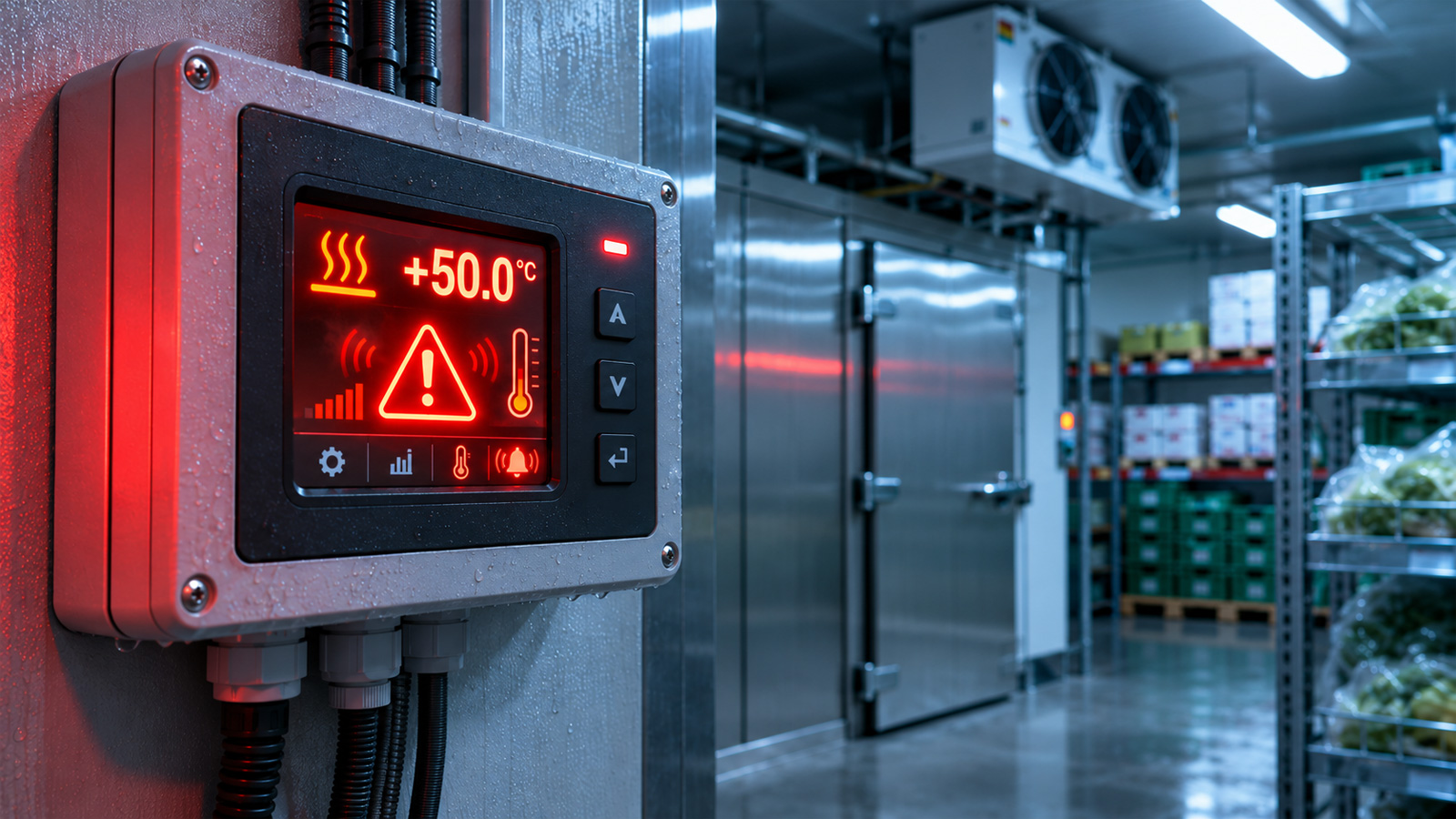
However, when these systems are improperly exposed to the public internet or left running on outdated, unpatched firmware, they become prime entry points for malicious actors seeking to inflict physical and economic disruption.
"Globally, malicious cyber actors are targeting vulnerabilities and weaknesses in unpatched or internet-accessible electronic temperature controllers and commercial refrigeration controllers in retail grocery and cold storage facilities," CISA warned in its detailed breakdown of the threat.
Federal security investigators noted that attackers are leveraging a variety of known vulnerabilities to compromise these industrial control environments. These methods include exploiting authentication bypass vulnerabilities, deploying arbitrary code injection flaws, and taking advantage of weak administrative configurations. Once inside the network, hackers can manipulate temperature settings at will, forcing sensitive refrigeration and freezing equipment into continuous, unmitigated heating or extreme defrost cycles.
The physical fallout from such attacks can be devastating. Successful compromises can trigger massive inventory losses through unchecked food and pharmaceutical spoilage, drastically reduce the operational lifespan of expensive commercial machinery, and create severe fire hazards by pushing electrical heating elements beyond their safe operating tolerances. Furthermore, attackers can deliberately blind operators by cutting off visibility into real-time temperature telemetry, preventing facility personnel from detecting anomalies before irreversible damage is done.
This sweeping U.S. government warning does not arise in a vacuum; rather, it follows a troubling wave of real-world cyberattacks that have already struck European refrigeration systems, causing tangible disruptions across supermarkets and critical blood storage facilities.
In October, cybercriminals compromised refrigeration controllers at an estimated 250 to 350 French supermarkets. During that incident, the hackers remotely activated unauthorized defrost functions, dangerously raising internal temperatures within commercial refrigerators and freezers and ruining large volumes of perishable goods.
Shortly after that initial wave, a second series of attacks was reported in November, impacting more than 115 retail stores spread across six different European countries. While some of these targeted refrigeration systems shut down entirely and abruptly, others experienced malicious temperature spikes, driving internal conditions as high as 50 degrees Celsius, or 122 degrees Fahrenheit, completely destroying the cold chain required to keep products safe for consumption.
The threat has also crossed the line from commercial retail disruption into the healthcare sector with alarming implications. On November 3, the French Blood Establishment, known locally as the EFS, formally confirmed that a serious cybersecurity incident had struck one of its primary refrigeration equipment providers. The breach successfully altered critical temperature and defrost settings across three specialized facilities dedicated to the storage of vital blood products and biological reserves, forcing emergency responses to safeguard public health assets.
In direct response to this escalating global threat, U.S. federal agencies are strongly urging organizations across the critical infrastructure sectors to take immediate defensive action. Operators are advised to disconnect refrigeration controllers from the public internet entirely, implement robust and secure methods for any necessary remote administrative access, replace all default factory passwords with strong credentials, and apply all available manufacturer security updates without delay.
Additionally, cybersecurity authorities recommend physically or logically isolating operational technology networks from standard business and corporate IT networks. Implementing strict, fail-safe temperature limits is also advised to prevent controllers from operating outside of predefined, acceptable thermal ranges, ensuring that even if a system is compromised, automated safeguards will step in to prevent physical disaster.

Related News