#193 – David Goodhart – AI Is Coming For The Graduate Elite | The Peter McCormack Show
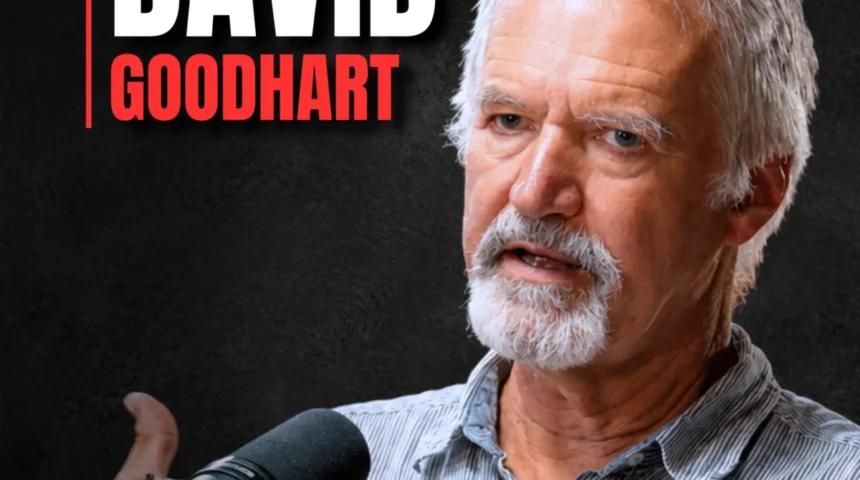
As artificial intelligence rapidly transforms the modern workplace, a pressing question looms over the white-collar economy: is AI about to do to the graduate class what globalisation did to factory workers a generation ago? This is the central thesis explored in a compelling new discussion between host Peter McCormack and prominent social commentator and author David Goodhart. In a wide-ranging conversation, the two unpack the deep-seated structural issues fracturing Britain’s political and economic landscape, examining why the nation’s traditional settlement appears to be breaking apart at the seams.
Goodhart, a leading voice on modern British politics and society, breaks down how the United Kingdom has systematically overproduced individuals with generalist academic skills. For decades, the prevailing economic and cultural narrative dictated that university degrees were the ultimate passport to success, driving millions of young people down a singular academic route while undervaluing vocational and technical expertise. However, as advanced language models and automated systems begin to encroach on tasks traditionally reserved for university-educated professionals, the vulnerabilities of this strategy are becoming glaringly apparent. The discussion suggests that the comfortable security of the graduate elite may soon be upended, much like the manufacturing hubs that bore the brunt of overseas competition and deindustrialization in the late 20th century.
At the heart of Goodhart’s socio-political framework is the well-known cultural divide between the "Anywheres" and the "Somewheres"—two distinct groups that view Britain through fundamentally different lenses. The Anywheres, typically defined by portable, university-acquired credentials and urban mobility, came to dominate politics, culture, and the economy over the past few decades. Their worldview is global, interconnected, and comfortable with rapid change. Conversely, the Somewheres are more rooted in local communities, place, and traditional ways of life. According to Goodhart, the dominance of the Anywhere class alienated the Somewheres, who have increasingly turned toward populist political movements, Brexit, and newer political entities like Reform and Restore as a visceral reaction against a country they feel no longer represents them or reflects their values.
This cultural and economic friction naturally begs a broader question that resonates with millions of citizens across the UK: has anything actually gotten better in Britain over the last 15 years? Goodhart and McCormack tackle this pessimism head-on, examining why the modern British state seems increasingly incapable of getting things done. From infrastructure projects that stall for decades to public services creaking under immense pressure, the machinery of government appears paralyzed. This administrative inertia has directly fueled a catastrophic collapse of trust in politicians, leaving voters feeling disenfranchised and cynical about the prospects of meaningful reform through conventional political channels.
The conversation also navigates the complex terrain of immigration and multiculturalism, exploring how two different experiences of cultural integration have played out across the country. Goodhart highlights the tensions that arise when rapid demographic shifts are mismanaged by political leadership that fails to understand or address community anxieties. Closely tied to these demographic shifts is Britain’s looming care dilemma. As the population ages, the demand for care work—a sector historically undervalued, underpaid, and heavily reliant on both domestic and migrant labor—continues to surge, exposing the deep contradictions in how the economy values essential work versus purely financialized wealth.
Economic grievances extend far beyond social policy, touching upon the mechanics of running a modern enterprise in the UK. Business leaders frequently argue that establishing and growing a company in Britain currently feels nearly impossible, hampered by an escalating tax burden, excessive regulation, and a general lack of economic dynamism. Goodhart draws a sharp distinction between productive wealth, which builds long-term economic capacity and innovation, and unproductive wealth, which often manifests in asset bubbles and rent-seeking behavior that fails to benefit the wider population.
Amidst these economic anxieties, the discussion turns to the evolving battles over free speech, online safety, and the regulatory overreach of the state. As policymakers grapple with how to police digital spaces, concerns continue to grow regarding civil liberties and the state’s capacity to balance public safety with fundamental democratic freedoms. These friction points highlight a deeper truth identified by Goodhart: politics requires far more than just economic management. A successful political settlement must account for identity, belonging, and moral purpose—elements that purely technocratic governance has consistently failed to provide.
Despite the litany of challenges facing the nation—from the erosion of trust and the burden of taxation to the impending disruption of the graduate labor market by AI—Goodhart maintains a measure of cautious optimism. He asserts that Britain still possesses the fundamental ingredients necessary for a national recovery. The country retains historic strengths in innovation, institutional resilience, and cultural capital. However, whether the political class possesses the vision and courage to harness these assets and bridge the deep divides separating the Anywheres from the Somewheres remains the defining question for the country’s future.

Related News