Ten Years of Resistance: How the Global Movement Against Internet Shutdowns is Fighting Back
Internet shutdowns have long been recognized by human rights organizations and international bodies as a direct assault on fundamental freedoms. Yet, a decade ago, the systematic weaponization of network disruptions was rarely addressed with a unified global response. What began ten years ago as a fragmented collection of civil society groups has since evolved into a formidable international resistance. As Access Now and the global #KeepItOn campaign mark their landmark tenth anniversary, advocates are pausing to reflect on a decade of hard-fought victories, escalating challenges, and the ongoing struggle to keep the world connected.
The landscape of digital rights has transformed dramatically since the coalition’s inception. Over the past ten years, the #KeepItOn community has expanded from a small group of visionary organizations into a massive, worldwide network dedicated to exposing the devastation caused by internet blackouts and holding authoritarian regimes accountable. While governments continue to rely on connectivity blockades to stifle political dissent, manipulate electoral outcomes, and obscure human rights atrocities, the global pushback has established vital legal, diplomatic, and technical defenses.
How it Started: The Birth of a Global Coalition
A decade ago, the international community lacked robust global norms explicitly condemning internet shutdowns. Organizations fighting against localized network interference operated in relative isolation, making it profoundly difficult to capture the true global scale of the crisis. Without centralized coordination, the severe repercussions of deliberate disconnections—ranging from paralyzed economies and fractured healthcare systems to compromised elections and hidden atrocities—often went undocumented and unpunished.
Recognizing the urgent need for a cohesive strategy, Access Now and its partners convened a pivotal session at RightsCon Silicon Valley in 2016. The primary objective was to establish a universally accepted definition for an internet shutdown, laying the groundwork for a systematic, standardized method of tracking network disruptions across borders. This foundational meeting culminated in a public commitment by Access Now and nearly 70 civil society organizations to formally launch the #KeepItOn campaign. The coalition’s core mission was clear: unite fragmented resistance efforts, elevate public awareness regarding the severe harms of digital blackouts, and ultimately bring an end to the practice entirely.
The momentum generated by the launch yielded rapid results. By July 2016, the United Nations Human Rights Council heeded the coalition’s appeals by adopting a landmark resolution that formally denounced internet shutdowns as violations of human rights. This historic measure affirmed the principle that human rights must be protected online just as fiercely as they are offline. Shortly thereafter, the African Commission on Human and Peoples’ Rights passed its own resolution urging member states of the African Union to guarantee continuous internet access and establish accountability mechanisms for unauthorized disruptions.
Simultaneously, Access Now laid the groundwork for an advanced tracking system designed to serve as an authoritative accountability tool. In 2017, the organization officially launched the Shutdown Tracker Optimization Project, introducing a pioneering database that today enables comprehensive analysis and reporting on data gathered from across the entire #KeepItOn coalition. Year after year, as these reports have detailed the evolving status of global connectivity, they have charted both the persistence of the threat and the steady consolidation of the movement against it.
How It’s Going: Escalating Threats and Expanding Resistance
While the international community has made substantial strides in delegitimizing internet shutdowns, the practice remains distressingly prevalent. Far from fading into history, network disruptions have grown more frequent and complex. Recent data compiled by the #KeepItOn coalition reveals that governments increasingly deploy shutdowns not only to suppress internal dissent and influence elections, but also as explicit weapons of war. This dangerous militarization of telecommunications underscores an urgent demand for a formal digital ceasefire process to protect civilian infrastructure during conflicts.
In 2025 alone, the coalition documented a staggering 313 internet shutdowns across 52 countries. This figure represents an alarming increase of more than 300 percent compared to the 78 shutdowns recorded during the campaign’s launch year in 2016. These aggressive tactics continue to disrupt livelihoods, endanger lives during humanitarian crises, and deny communities access to life-saving information.
Faced with this escalating reality, the #KeepItOn coalition has grown into an indispensable shield for human rights and public safety. What began as a modest alliance of 70 organizations has blossomed into a diverse network of more than 370 local, national, regional, and international groups operating across 106 countries.
This expansive coalition has successfully pushed internet shutdowns onto the official agendas of major international institutions and multistakeholder forums. Global norms against network disruptions have been reinforced through a series of UN resolutions, expert reports from UN special rapporteurs, and landmark policy frameworks such as the UN Global Digital Compact and the World Summit on the Information Society +20 Outcomes Document. Similar condemnations have been issued by influential bodies including the Global Network Initiative and the Freedom Online Coalition.
Legal advocacy has proven to be another powerful weapon in the coalition’s arsenal. Strategic litigation spearheaded by #KeepItOn partners has resulted in significant victories in both domestic and regional courts. Judges have increasingly stepped in to declare network blockades unlawful, forcing governments and telecommunications companies to curtail, explain, or entirely reverse restrictive connectivity policies.
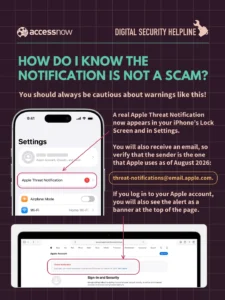
Furthermore, the coalition has dedicated significant resources to equipping vulnerable communities with the practical knowledge and digital security tools needed to withstand blackouts. Access Now has upgraded its tracking database by launching a public dashboard, providing journalists, researchers, and policymakers with verified data essential for advocacy and accountability. Concurrently, the Digital Security Helpline educates individuals on maintaining communication during blocks, while specialized monitoring efforts target high-risk periods such as national elections and academic examinations. Projects like Shutdown Stories continue to amplify the voices of individuals whose fundamental well-being and physical safety are jeopardized whenever the internet goes dark.
What Comes Next for the Global Movement
The ultimate vision of the #KeepItOn campaign remains clear: a world where universal access to a free, secure, and open internet is guaranteed, and where authorities universally reject digital authoritarianism in favor of respecting freedom of expression and access to information. Achieving this vision requires sustained collaboration among coalition members, international partners, and supporters worldwide.
As the movement commemorates its tenth anniversary throughout 2026 and beyond, organizers are focusing on honoring the resilience of impacted communities, deepening strategic partnerships, and renewing the collective pledge to eradicate internet shutdowns globally. Organizations interested in contributing to this mission are encouraged to explore opportunities to engage with the #KeepItOn coalition and join the ongoing fight for digital rights.

Related News