Crypto Markets Rebound After Tariff Pivot as BitGo Announces $2.1B IPO and Regulatory Landscapes Shift Globally
Cryptocurrency markets staged a notable recovery across major assets following a swift pivot by President Donald Trump regarding proposed international tariffs, injecting renewed optimism into digital asset trading floors. The broader market rebound unfolded alongside a flurry of major macroeconomic, regulatory, and corporate developments, including institutional milestones, protocol-level upgrades, legislative momentum in Washington, and innovative corporate adoption strategies.
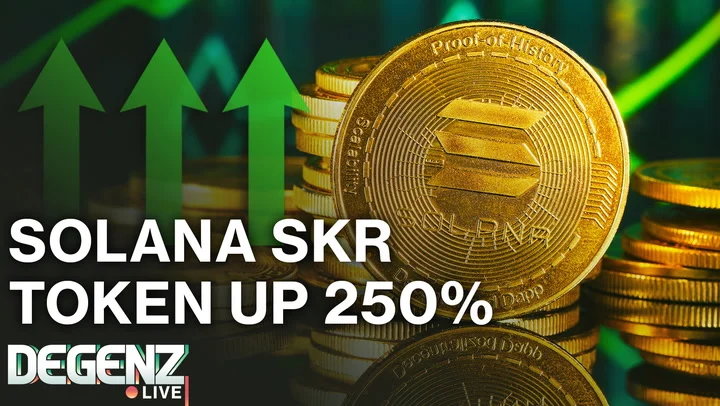
Major digital assets turned green as markets absorbed the latest policy shifts. Bitcoin climbed roughly 2 percent to trade around $89,900, while Ethereum matched the momentum with a 2 percent gain to reach $2,995. Solana also advanced 2 percent to $130, and XRP recorded a 3 percent increase, pushing its price to $1.94. Among the top-performing altcoins, CC surged 15 percent, SKY gained 11 percent, and SAND advanced 10 percent, reflecting revived risk appetite across various sectors of the crypto economy. Meanwhile, Solana’s ecosystem saw aggressive speculative activity as the SKR token soared an eye-catching 250 percent in fully diluted valuation terms.
The dramatic market turnaround was not without turbulence. Volatility preceding the recovery triggered massive liquidations across derivatives exchanges, with traders wiping out more than $1 billion in positions. Market analysts noted that the intense wave of liquidations was closely tied to macroeconomic jitters stemming from trade policy uncertainties. However, sentiment shifted rapidly after President Trump signaled a tactical retreat from previously threatened tariff measures targeting the European Union, easing fears of an immediate escalation in global trade tensions and allowing risk assets, including cryptocurrencies, to regain lost ground.
Beyond macroeconomics, the corporate and technological landscapes of the industry advanced significantly. Custodial infrastructure provider BitGo officially announced its initial public offering, pricing its shares at $18 apiece and pegging the company’s valuation at approximately $2.1 billion. The move represents a major milestone for digital asset infrastructure firms seeking public market validation, bridging traditional equity markets with crypto-native custody and financial services.
On the development front, Ethereum co-founder Vitalik Buterin proposed the introduction of native Distributed Validator Technology staking. The architectural enhancement is designed to bolster Ethereum’s underlying security framework and enhance overall network decentralization by mitigating single points of failure in validator operations, signaling continued dedication to protocol-level experimentation and resilience. However, the ecosystem also experienced security setbacks, as Saga’s EVM-compatible blockchain was forced to halt operations following a security breach resulting in the theft of approximately $7 million. Stolen funds from the incident were subsequently tracked as they were bridged over to the Ethereum network, underscoring ongoing security challenges within interoperable blockchain architectures.
Legislative and regulatory developments continued to shape the domestic and international playing fields. In the United States, the Senate Agriculture Committee confirmed that its distinct version of the Clarity Act will advance to a markup session next week, despite a notable lack of bipartisan support. The legislative push comes as President Trump voiced his hope to sign a comprehensive crypto market structure bill into law soon, navigating ongoing legislative roadblocks, intense lobbying efforts, and persistent disagreements among lawmakers regarding the precise scope of federal regulatory oversight.
Traditional financial sectors also demonstrated evolving intersections with digital assets. Major mortgage lender Newrez initiated exploration into incorporating Bitcoin and Ethereum into mortgage qualification processes. Under the conceptual framework being reviewed, the lender would apply discounted valuations to crypto holdings to account for historical price volatility, potentially opening new avenues for crypto-wealth integration into traditional housing finance. Meanwhile, everyday commerce and corporate compensation models saw unique adaptations, highlighted by restaurant chain Steak ’n Shake rolling out a novel Bitcoin bonus program that allows hourly employees to voluntarily elect to receive a portion of their compensation in BTC.
Regulatory frameworks internationally continued to evolve with varying degrees of strictness and clarity. In Asia, financial authorities in Hong Kong moved forward to formally issue stablecoin licenses under a newly established regulatory framework. The regime imposes stringent compliance, reserve backing, and operational mandates on issuers operating within the jurisdiction, aiming to foster innovation while protecting investors against systemic risks. In Europe, the legal status of digital assets received further clarification as Russian courts formally ruled that cryptocurrencies qualify as property under domestic law. The legal precedent is expected to establish a foundational framework for future civil litigation and criminal proceedings involving digital assets within the country.

Related News