The Resurgence of At-Home Bitcoin Mining: From Early Hobbyists to Solo Lottery Miners
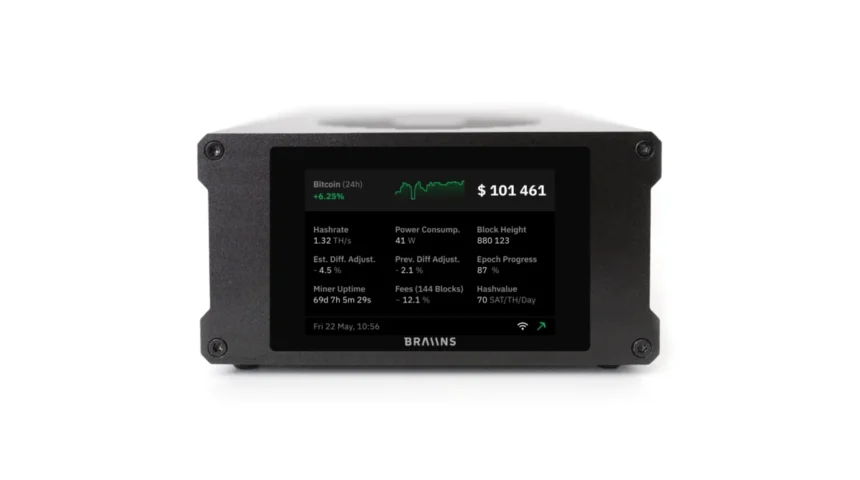
Bitcoin mining has evolved dramatically since its inception, transforming from a casual hobby for tech enthusiasts into a multi-billion-dollar global industry dominated by publicly traded corporations and massive industrial data centers. Yet, despite the professionalization of the network and the rise of sophisticated hardware, a dedicated subculture of individual enthusiasts—affectionately known in the community as "plebs"—continues to secure the world’s strongest computer network from the comfort of their own homes.
The historical roots of at-home mining date back to an era when block rewards stood at 50 BTC, allowing early participants to accumulate significant volume with relative ease and high profitability. The enduring legacy of these early days was recently highlighted when a miner wallet from April 2010 woke up after remaining dormant for nearly 14 years, depositing 50 BTC worth millions of dollars to Coinbase. Such stories serve as a reminder of how early hobbyists inadvertently secured their retirements while simply participating in a novel digital experiment.
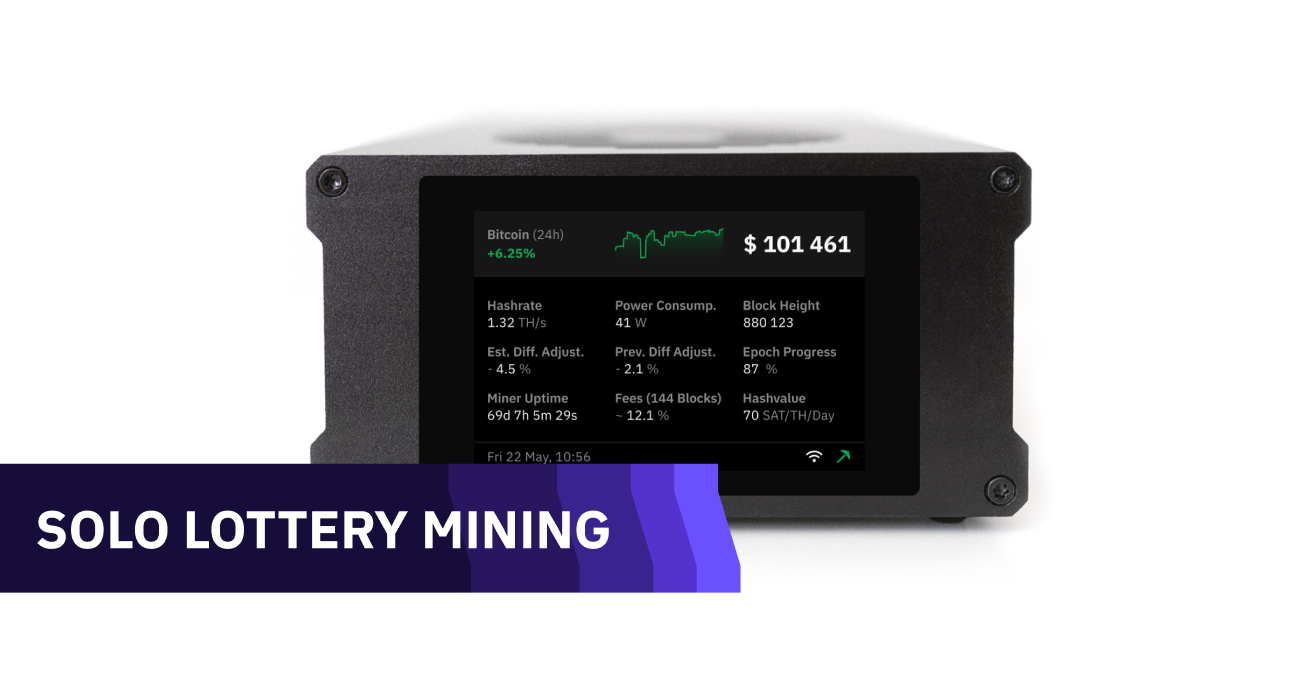
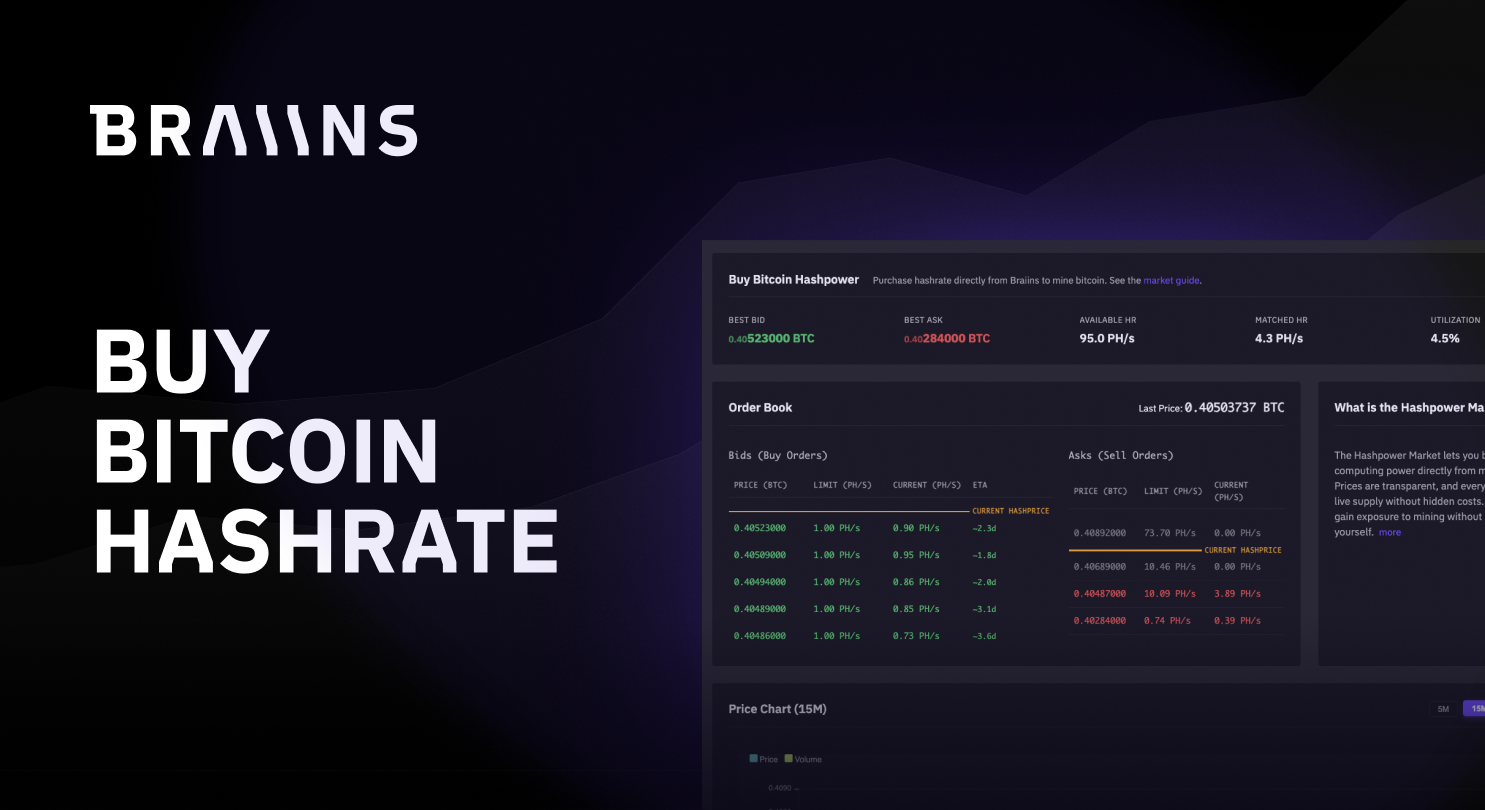
As technology advanced and mining difficulty scaled exponentially, individual operators could no longer compete with industrial-grade application-specific integrated circuits (ASICs) running in specialized facilities. However, bitcoiners have consistently demonstrated a capacity for innovation and adaptation. While many have transitioned away from loud, power-hungry physical hardware to streamlined solutions like virtual hashrate platforms—which grant users direct exposure to mining power without the logistical burdens of physical maintenance or electricity bills—others have taken a different, more unconventional path.
Understanding the Mechanics of Bitcoin Mining
To appreciate the modern phenomenon of at-home mining, it is essential to understand the underlying mechanics of the network. Bitcoin mining relies on thousands of distributed supercomputers worldwide that constantly compete and cooperate to compile and verify transactions. Miners race to solve an extremely complex cryptographic puzzle, guessing a massive target number. The first miner to successfully solve the puzzle is rewarded with newly minted bitcoin and the transaction fees collected since the previous block, a cycle that repeats roughly every ten minutes.
Historically, as difficulty increased, solo mining became practically unviable for individuals, leading to the creation of mining pools. In a mining pool, participants combine their computational power and split the block rewards proportionally based on the share of hashrate they contribute. While pooling provides steady, predictable payouts, it lacks the thrilling, high-risk, high-reward nature of solo mining.
Despite the dominance of large pools and corporate mining farms, individual enthusiasts have refused to step aside. Driven by a fundamental love for Bitcoin and a desire to contribute to network decentralization, smaller participants have breathed new life into older, seemingly obsolete hardware, transforming retired ASICs into efficient space heaters while embarking on a high-stakes modern treasure hunt.

The Rise of At-Home Solo Lottery Mining
For everyday enthusiasts who lack the capital or infrastructure to build massive data center operations, solo lottery mining has emerged as a compelling alternative. Instead of contributing fractional power to a massive pool for small, incremental returns, solo lottery miners deploy modest hardware—often older machines operating at roughly 1 TH/s, such as the Bitmain Antminer S9—to take a direct, unshared chance at finding an entire block.
The odds of success in solo lottery mining are undeniably slim. According to data from tracking platforms, running a single 1 TH/s miner over the course of a year yields roughly a 1 in 11,921 chance of discovering a valid block. When calculated per block, the odds at current network difficulties sit around 1 in nearly 250 million, translating to roughly a 1 in 4,750 chance annually.
Critics often point out these astronomical odds, yet participants frequently draw comparisons to traditional state lotteries. The odds of winning major national lotteries like Powerball or Mega Millions are roughly 1 in 300 million, with drawings occurring only a few times a week. In contrast, the Bitcoin network generates a new block every ten minutes, allowing solo miners to participate in an automated, cryptographic lottery hundreds of times a day using a specialized computer rather than purchasing physical tickets with far worse statistical prospects.
Furthermore, proponents argue that solo lottery mining offers value far beyond the remote possibility of a life-changing financial payout. Operating an ASIC at home serves as a powerful educational tool, offering participants a firsthand look at the operational dynamics that drive industrial-scale facilities. It also addresses ongoing concerns regarding network centralization. While critics occasionally raise the specter of governments attempting to ban Bitcoin mining, such regulatory efforts would prove exceedingly difficult to enforce against thousands of independent individuals running a machine or two in their private residences. Even adding a single terahash of computing power to the network contributes marginally to its overall security, reinforcing the ideological pillars of sovereignty and decentralization.

Real-World Success Stories and Network Participation
While the probabilities lean heavily against the individual, the theoretical possibility of success is occasionally transformed into reality. Over the years, multiple documented instances have captured headlines when solo bitcoin miners successfully solved a block independently, reaping massive rewards without the backing of a major mining pool.
Finding a valid block independently remains the ultimate achievement within the community, offering a permanent, verifiable stamp on the public ledger that solidifies a miner’s status. Beyond the financial windfall, the practice embodies the grassroots ethos that has sustained the network through various market cycles.

As the ecosystem continues to mature, pathways for participation have diversified. Platforms offering virtual hashrate allow users to gain exposure to computing power starting with minimal capital allocations, removing traditional hardware hurdles. Concurrently, educational initiatives, literature such as industry guidebooks, and open-source solo pool infrastructure continue to lower the barrier to entry for newcomers seeking to understand the foundational layers of the digital economy. Through a combination of historical persistence, technical adaptation, and ideological dedication, at-home participants ensure that the foundational spirit of Bitcoin mining remains deeply rooted in individual sovereignty.

Related News