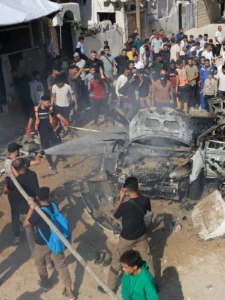
Israel says ‘targeted’ operation begun in Hebron after two soldiers killed
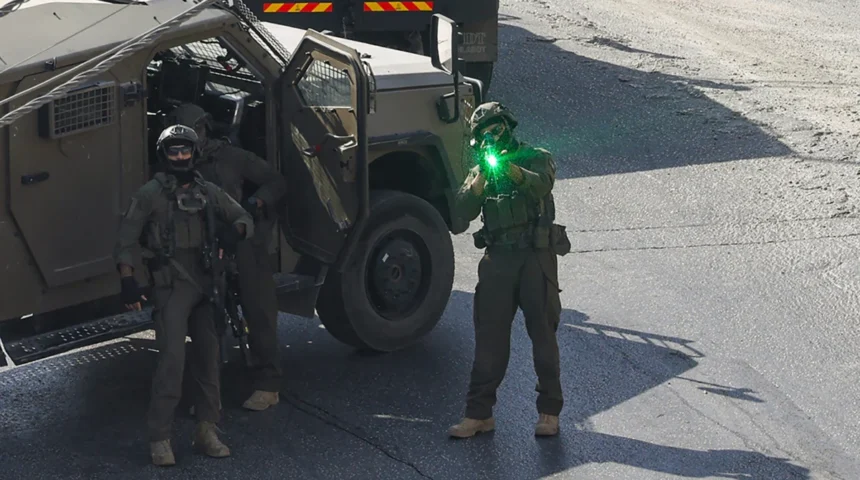
The mounting economic fallout from the shadow war and regional instability comes against a backdrop of acute domestic and security crises on the ground. In the Israeli-occupied West Bank, the security situation deteriorated sharply following a deadly escalation in the southern sector of the territory. Israeli security forces launched what officials described as a "targeted" military operation in the flashpoint city of Hebron, deploying heavy reinforcements and sealing off neighborhoods in the wake of a lethal attack that targeted military personnel.
The operation in Hebron follows a high-casualty ambush that left two Israeli soldiers dead and three others wounded. According to military and security reports, the incident unfolded near Hebron when two Palestinian gunmen opened fire on security forces in an attack that immediately reverberated across the political landscape. Israeli security forces subsequently tracked down and shot dead the two suspected attackers near a local petrol station. Journalists on the scene later documented heavily armed Israeli patrols moving through the area, securing the perimeters surrounding the homes of the slain gunmen as military authorities weighed broader punitive measures.
The timing of the attack and the subsequent military crackdown has cast a long shadow over domestic politics, occurring just days before crucial national elections. Prime Minister Benjamin Netanyahu responded to the bloodshed with severe warnings, threatening a military operation in the occupied West Bank on a scale not witnessed in decades. The prospect of a sweeping, large-scale incursion into West Bank urban centers has heightened fears of an even broader conflagration, compounding the existing anxieties tied to the regional confrontation with Iran.
The convergence of escalating violence in the West Bank and the looming specter of a resumed U.S.-Israeli military campaign against Iran has created a volatile cocktail of geopolitical risks. Energy analysts note that the oil market is exceptionally sensitive to any disruptions or anticipated conflicts in the Middle East, particularly given the critical shipping lanes and production facilities located within the broader region. As Brent crude sustains its march well past the $117 threshold, consumers and industries worldwide are beginning to feel the pinch through rising fuel costs, transportation expenses, and broader inflationary pressures.
Financial institutions and commodity trading desks are closely monitoring developments out of both the West Bank and Middle Eastern diplomatic capitals. With national elections imminent in Israel and the rhetoric surrounding potential military actions against Iran reaching a fever pitch, market volatility remains exceptionally high. The unfolding events in Hebron, coupled with the broader macroeconomic tremors being felt across global oil exchanges, underscore a precarious period where local security incidents and international strategic confrontations are inextricably linked.

Related News