Gaza Death Toll Rises to 1,538 as Israeli Military Operations and Territorial Expansion Continue
Gaza hospitals have reported four more deaths resulting from ongoing Israeli attacks over a 24-hour period, bringing the total death toll to 1,538 since the October ceasefire agreement took effect last year. The latest fatalities underscore the continuous military pressure and expanding territorial control exerted by the Israeli military inside the densely populated and heavily damaged enclave, where remaining residents face severe humanitarian challenges, restricted mobility, and ongoing displacement.
According to the Palestinian news agency Wafa and local health reports, the recent casualties included a young girl who was shot and killed by Israeli gunfire in northern Gaza, near the volatile Jabalia refugee camp. The area has repeatedly been a focal point of intense military activity, leaving vast tracts of residential infrastructure obliterated and forcing families into prolonged displacement.
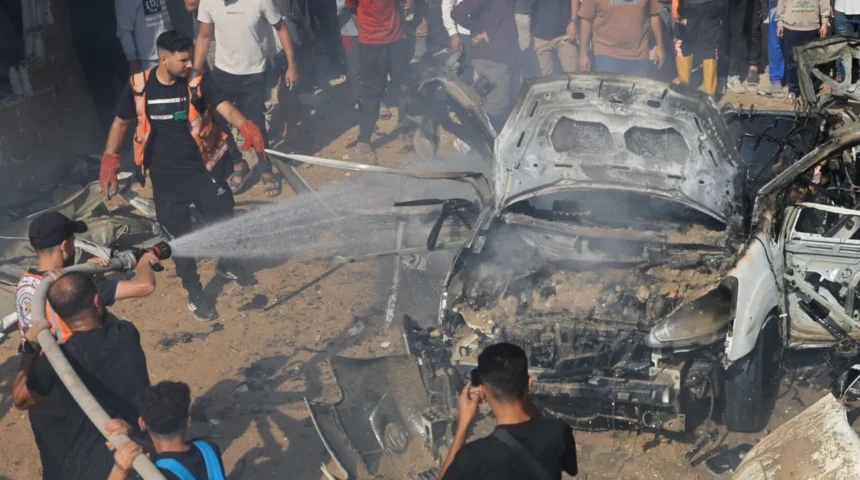
Reporting from Gaza City, Al Jazeera journalist Hani Mahmoud detailed additional strikes across the territory, including a targeted attack on a vehicle in the central Tal al-Hawa neighborhood. That strike resulted in the immediate death of one person and left another individual with severe, life-threatening injuries. In a separate incident in the southern city of Khan Younis, an airstrike or targeted fire killed a man who was riding a bicycle, highlighting the persistent dangers faced by civilians attempting to navigate even short distances within the besieged territory.
Meanwhile, the Gaza Health Ministry confirmed that a fourth person succumbed to injuries on Thursday. This individual had been receiving treatment for wounds sustained during an earlier Israeli military strike before eventually passing away from complications related to those injuries.

These latest fatalities add to a staggering cumulative humanitarian cost. According to official figures from the Gaza Health Ministry, at least 1,538 Palestinians have been killed and 5,498 others have been injured since the October "ceasefire" went into effect. Furthermore, broader historical figures compiled by health authorities indicate that more than 74,400 Palestinians have been killed in Gaza since the wider escalation began in October 2023.
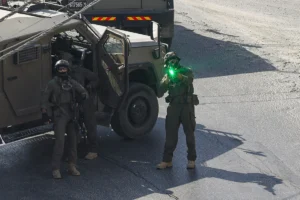
Alongside the persistent military strikes, the Israeli military has continued to systematically expand its physical control over land inside Gaza. Close to two million displaced Palestinians currently live crammed into what remains of the shrinking territory, an environment dominated by thousands of tonnes of concrete rubble, mangled steel, and twisted debris.
"Israel is expanding their control inside Gaza," Mahmoud explained during his ground report, noting that Israeli ground forces have been steadily taking more land since the formal onset of the ceasefire period. This expansion has seen military positions push inward from northern sectors toward the center and westward across the coastal strip.
The territorial encroachment has had devastating humanitarian consequences for local families. "People cannot return to their homes, and most buildings in the areas Israel controls have been left in ruins," Mahmoud said. Comprehensive mapping data, including analyses produced by Al Jazeera, indicates that nearly two-thirds of the entire Gaza Strip is now either directly under the control of the Israeli military or subject to severe access restrictions, further compressing the humanitarian space available to civilians.
The combination of shrinking geographic boundaries, active military operations, and extensive infrastructural destruction has deeply compounded the crisis for Gaza’s civilian population. With essential services shattered, ongoing food shortages, soaring prices, and vital humanitarian aid restricted or cut off entirely, the daily reality for millions of residents remains one of immense survival challenges amid unrelenting violence.

Related News