The Evolving Landscape of Bitcoin Mining: A Comprehensive Guide for New Entrants and Industry Enthusiasts
Bitcoin mining has rapidly established itself as one of the most critical foundational pillars within the broader Bitcoin ecosystem. Beyond securing the network and validating transactions, mining operations represent a significant share of capital formation in the cryptocurrency space. Furthermore, miners have emerged as some of the most politically active participants in the industry, frequently leading advocacy efforts at both local and federal levels to promote favorable policies and educate lawmakers about Proof-of-Work systems.
This growing prominence has generated substantial interest from within the Bitcoin community and adjacent traditional industries, with many individuals and institutions looking to integrate themselves into the mining sector. Whether participants aim to deepen their technical understanding, network with established operators, deploy their own hardware, or pursue a complete career pivot into the industry, the ecosystem offers numerous entry points for newcomers.
Get Informed
For anyone looking to navigate the sector, the essential first step involves acquiring a robust comprehension of what Bitcoin mining entails and how it functions mechanically, economically, and logistically. Navigating this landscape requires leveraging a diverse array of educational materials, ranging from foundational literature to specialized analytical publications.
Written resources provide an ideal baseline for beginners. Introductory texts such as the Bitcoin Mining Handbook—which is available as a complimentary digital download and in physical print formats—were specifically designed to distill complex technical and operational concepts into accessible material. The handbook synthesizes core educational content from industry blogs, making it a valuable asset for novices. Concurrently, industry blogs frequently balance beginner-friendly explanations with granular deep dives into prevailing trends, hardware efficiencies, and macroeconomic factors influencing the mining market.

Additional web-based resources offer specialized insights. Platforms dedicated to Bitcoin mining aggregate valuable directories of industry tools, while specialized intelligence newsletters deliver institutional-grade analysis regarding hash rate distributions, energy markets, and corporate mining strategies. Fundamental education remains incomplete without reviewing the original Bitcoin Whitepaper by Satoshi Nakamoto, which outlines the theoretical framework behind Proof-of-Work consensus mechanisms.
Beyond written content, audio and video media serve as powerful mediums for absorbing industry knowledge. Specialized podcasts hosted by prominent community figures feature recurring interviews with veteran operators, hardware manufacturers, and energy experts, alongside weekly news roundups. General Bitcoin podcasts frequently dedicate segments or entire episodes to the intersection of mining, energy grid stabilization, and hardware logistics.
Video creators have similarly documented the practical realities of entering the space. Independent channels showcase personal journeys into home mining, tutorials on repurposing mining rigs as domestic space heaters, and experiments with advanced cooling methodologies such as immersion technology. Major crypto news outlets also maintain dedicated coverage streams, tracking corporate developments, regulatory shifts, and technological breakthroughs across the global mining landscape.
Get Involved
Transitioning from passive learning to active participation involves engaging with the community, acquiring operational hardware, or securing professional employment within the sector. Engaging with the broader ecosystem allows newcomers to build valuable relationships with veteran operators who frequently share insights and operational assistance.

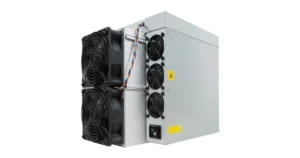
Acquiring physical hardware represents a tangible milestone for prospective miners. Numerous trusted vendors supply both newly manufactured Application-Specific Integrated Circuit (ASIC) rigs and secondhand equipment to accommodate varying operational scales, ranging from home enthusiasts utilizing single units to large-scale industrial facilities deploying containerized setups.
For professionals seeking to build a career in the sector, the industry offers a diverse range of opportunities spanning multiple disciplines. As mining operations scale into sophisticated industrial enterprises, companies actively recruit talent across electrical engineering, software development, data analysis, marketing, finance, and human resources. While established mining firms maintain dedicated careers pages, dedicated employment boards aggregate openings across the broader Bitcoin economy, facilitating career transitions for professionals eager to exit traditional corporate environments.
Get Connected
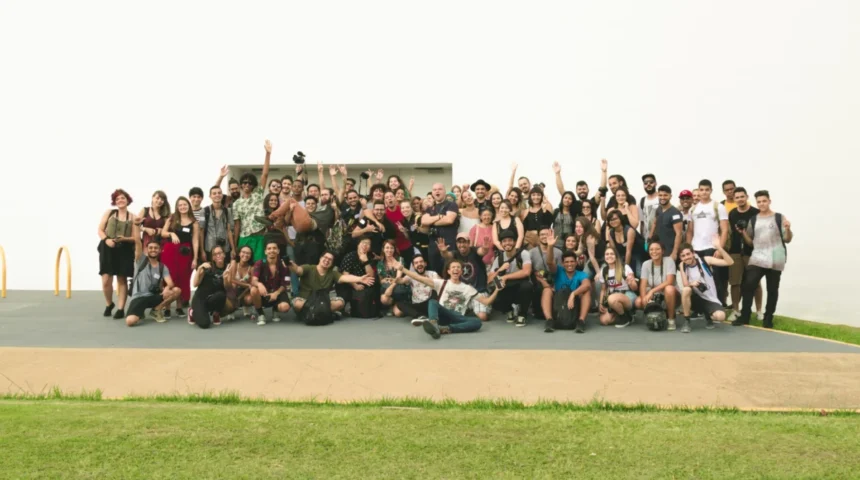
Networking remains an instrumental component of long-term success within the mining community. Attending specialized conferences allows operators, developers, and investors to connect in person, exchange operational knowledge, and stay abreast of emerging hardware and energy trends. Dedicated mining summits, alongside major global Bitcoin conferences, increasingly prioritize mining tracks to reflect the sector’s macroeconomic importance.
Regional meetups provide another vital avenue for localized connection. Geographic regions characterized by heavy mining activity, such as Texas, host regular gatherings where local miners, energy developers, and enthusiasts discuss grid integration, curtailment strategies, and hardware maintenance. These localized communities foster strong bonds of camaraderie within a notoriously competitive industry, proving that collaboration often outweighs rivalry among operators.

As participants embark on their respective journeys into the Bitcoin mining ecosystem, maintaining a commitment to continuous learning, active community engagement, and relationship building will remain essential for navigating this dynamic and rapidly evolving sector.

Related News