Understanding Bitmain ASIC Hardware: The Critical Difference Between PIC and noPIC Miner Models
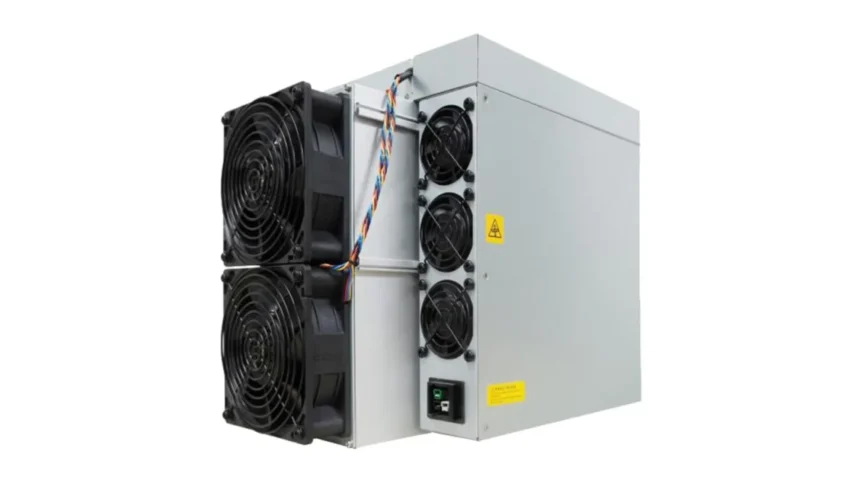
As the landscape of Bitcoin mining hardware continues to evolve, operators must navigate an increasingly complex array of technical specifications to keep their fleets profitable. While the variety of Bitmain miner models available on the market may seem limited at first glance, a vital distinction quietly divides the entire ecosystem into two distinct groups: machines equipped with a Programmable Integrated Circuit, commonly known as a PIC unit, and those manufactured without one. This single hardware difference dictates how miners communicate, how they handle power distribution, and how operators must respond when hardware failures inevitably occur.
The PIC unit serves as a crucial intermediary bridge operating directly between the control board—which executes the firmware—and the ASIC hashboards. Its primary responsibility involves managing chip-to-control board communication, ensuring that the main controller can accurately and efficiently interact with the individual mining chips across the hardware architecture. Equipment manufacturers generally do not explicitly state whether a specific miner model contains a PIC component, meaning operators must carefully examine the physical hashboard architecture or review stock firmware logs to properly identify their devices. Furthermore, hardware distinctions extend to power supply units; specifically, models lacking a PIC unit typically rely exclusively on APW121215 power supply variants, providing an initial visual indicator for mining operations managing mixed hardware fleets.
Why Knowing Your Miner’s Hardware Architecture Matters
Understanding whether a Bitmain ASIC falls into the PIC or noPIC category is far from an academic exercise; it directly defines an operator’s ability to control individual hashboards within a running machine. PIC miners feature a fundamentally different hashboard architecture compared to their noPIC counterparts, incorporating an additional PIC controller alongside Metal-Oxide-Semiconductor Field-Effect Transistors, or MOSFETs, positioned strategically in the electrical circuit right before the chip chain. These MOSFETs perform two essential functions within the hardware ecosystem, most notably enabling the firmware to isolate and control power delivery at the individual board level.
Advanced aftermarket firmware solutions, such as Braiins OS, empower users to dynamically enable and disable specific hashboards based on their operational status. However, this capability relies entirely on the physical presence of the PIC component and associated MOSFETs on the hardware. On PIC-enabled miners, the MOSFETs act as direct switches integrated into the electrical power path. When an operator chooses to disable a malfunctioning board via the miner’s graphical user interface, the firmware signals the PIC unit to shut off the corresponding MOSFETs, interrupting the power flow exclusively to that specific board while leaving the rest of the machine functioning. Conversely, on a noPIC miner, these components are entirely absent. Power flows directly from the power supply unit straight to the ASIC chips without any intermediate mechanism capable of interrupting or regulating power delivery at the individual board level. The ultimate operational difference between PIC and noPIC miners rests entirely on this hardware-level capability to control power distribution to individual hashboards.

Managing Hashboard Damage and System Protection Mechanisms
The absence of discrete power interruption mechanisms on noPIC miners introduces significant operational challenges when hardware components begin to fail. In a standard operating environment, if a single hashboard encounters a critical error or physical damage, continuous power delivery can exacerbate the problem and destroy vulnerable silicon components. To safeguard the hardware, both stock firmware and advanced third-party solutions like Braiins OS incorporate automated protection protocols designed to immediately cut power when a fault is reported.
When a PIC miner experiences a localized board failure, the system’s PIC component responds by turning off the MOSFET switches associated exclusively with the compromised board. This localized shutdown allows the remaining two healthy hashboards to continue receiving power and hashing uninterrupted, minimizing downtime and hash rate loss for the mining facility. In stark contrast, when a noPIC machine detects a critical issue on even a single hashboard, the firmware lacks the hardware architecture to isolate the damaged component. As a result, the system is forced to cut power at the power supply level, shutting down the entire machine and halting all mining operations until manual intervention or repairs can be performed.

While this aggressive shutdown behavior on noPIC miners is an essential safety measure designed to prevent catastrophic hardware destruction, facility operators frequently desire the flexibility to keep healthy boards running. Recognizing this operational need, firmware developers have introduced features that permit users to override default safety protocols and re-enable functional boards on noPIC hardware. However, making the decision to override these built-in protections requires caution, precise technical execution, and strict adherence to safety procedures to avoid permanently ruining compromised equipment.
Safe Handling of Hashboard Failures on noPIC Hardware
Running specialized aftermarket firmware provides distinct advantages when troubleshooting complex hardware issues across large Bitcoin mining fleets. Braiins OS is widely recognized for helping operators maximize Bitcoin production through advanced power target management, but its utility is equally evident when managing troubled noPIC hardware. Under default configurations, Braiins OS mirrors the behavior of stock firmware by completely shutting down power to all hashboards the moment a single board reports a critical fault.

This comprehensive shutdown is crucial because maintaining continuous power to a compromised hashboard inevitably leads to further thermal stress and permanent hardware degradation. When this protective shutdown occurs on a noPIC machine running Braiins OS, system logs typically display an H1 error code, alerting the operator to a specific hardware fault requiring attention. Technicians can cross-reference these error codes with established documentation resources to diagnose the root cause of the failure.
To address situations where operators wish to continue mining on the remaining functional boards of a noPIC machine, firmware configurations allow for specific parameter adjustments within designated system files. Executing this modification instructs the power supply to resume sending electrical current to all boards simultaneously, including the one reporting the active error. Because power continues flowing into the damaged board, it remains susceptible to elevated temperatures and compounding physical damage unless proper physical precautions are taken.

Industry experts strongly advise operators to follow a comprehensive physical isolation procedure before enabling experimental firmware overrides on noPIC hardware. Simply modifying the configuration files to restore hash rate without physically addressing the compromised board invites further hardware destruction. In a properly executed workaround, technicians manually disconnect or isolate the problematic board while leaving it physically housed within the machine, effectively mimicking the isolation achieved automatically by PIC hardware via firmware controls. When all recommended physical precautions are observed, mining operations can safely resume hashing across all healthy boards while preventing catastrophic failure on damaged components.
Maximizing Fleet Efficiency and Hardware Longevity
Dealing with failing hashboards and intricate hardware discrepancies remains an inevitable reality for commercial and residential Bitcoin miners alike. Because these technical challenges cannot be entirely avoided, understanding the underlying architecture of mining ASICs and utilizing sophisticated management tools is imperative for long-term operational success. Selecting the appropriate firmware plays a central role in unlocking the true potential of any mining infrastructure, allowing operators to navigate hardware limitations and extend the productive lifespan of their equipment.

Industry-leading aftermarket solutions continue to deliver substantial operational benefits beyond basic troubleshooting and error management. Advanced features such as automated chip tuning and dynamic performance scaling enable mining operations to maximize profitability across any power target while maintaining strict temperature controls. By optimizing thermal performance and reducing unnecessary hardware stress, operators can significantly improve uptime and protect their capital investments against premature hardware failure. As the Bitcoin mining sector matures, leveraging deep technical knowledge and advanced firmware capabilities will remain a cornerstone for maintaining competitive efficiency across fleets of all sizes.

Related News