El Salvador Advances Major Energy Sector Modernization Driven by Multi-Billion-Dollar Investments and Strategic Grid Upgrades
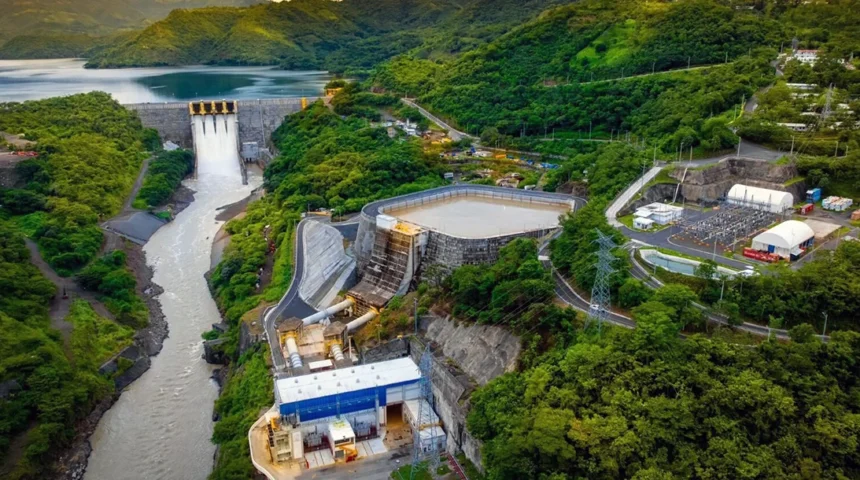
El Salvador is making significant strides in modernizing its national energy sector through targeted investments in electricity generation, advanced transmission infrastructure, and an expanded renewable energy portfolio. As the administration of President Nayib Bukele continues to prioritize national development, these sweeping initiatives are designed to fundamentally strengthen the country’s long-term energy security while aggressively attracting new foreign and domestic investment.
The comprehensive strategy reflects a concerted effort by the Salvadoran government to future-proof its economy by ensuring a stable, reliable, and scalable supply of electricity. In an increasingly competitive global economic landscape, modern infrastructure is widely recognized as a critical foundation for sustained industrial growth, commercial expansion, and overall societal well-being.
Edwin Núñez, president of the Salvadoran Transmission Company, known locally as ETESAL, recently highlighted the administration’s forward-looking strategy to diversify the nation’s energy mix. Speaking on the broader goals of the government’s energy policy, Núñez pointed to the ongoing integration of diverse power sources, specifically emphasizing the development of solar and wind power projects. These renewable initiatives are being paired strategically with substantial investments in natural gas infrastructure, a combination meticulously engineered to dramatically improve the overall reliability and load-balancing capacity of electricity supplies across the country.
A cornerstone of this ambitious modernization agenda is a recently announced landmark investment by Grupo Cox totaling an impressive $2.9 billion. Núñez described this massive financial commitment as a transformative contribution to the ongoing development of El Salvador’s critical infrastructure, spanning both the energy and water management sectors. The multi-billion-dollar injection of capital is allocated across several vital projects aimed at reinforcing the nation’s infrastructural backbone.
The financial breakdown of the Grupo Cox initiative highlights a diverse approach to infrastructural development. The largest single component of the investment dedicates $1.8 billion toward the construction and operation of advanced natural gas power plants, providing a crucial baseload and flexible energy generation capacity. Additionally, the plan earmarks $300 million for cutting-edge energy storage projects, which will play an essential role in stabilizing the grid, managing peak demand, and smoothing out the intermittent nature of renewable energy sources.

Furthermore, the investment incorporates $200 million dedicated specifically to the expansion of solar installations, further cementing the country’s commitment to clean energy transition pathways. Beyond the energy sector proper, a substantial $600 million of the total investment is designated for comprehensive water resource management projects. This dual focus on both energy and water underscores the interconnected nature of modern infrastructure development and addresses vital environmental and municipal resource needs within the country.
According to the ETESAL president, the realization of such large-scale investments is not accidental but is the direct result of a deliberate economic climate fostered by the current administration. Investor confidence, robust legal certainty, and highly favorable business conditions were cited as indispensable factors in convincing major international conglomerates to deploy capital on this scale in El Salvador. The government’s emphasis on maintaining a stable regulatory environment and transparent business procedures continues to pay dividends, positioning the country as an increasingly attractive destination for international project finance and engineering partnerships.
However, attracting new generation capacity and attracting foreign investment represent only one side of the equation. Núñez also stressed the parallel, equally critical need to expand and modernize the national electricity transmission network. As new industrial zones emerge and commercial and residential electricity consumption grows, the existing transmission grid must evolve to accommodate higher capacity, prevent bottlenecks, and support emerging economic activities across all regions of the country.
To meet these rising demands, targeted transmission improvements are currently underway in both eastern and western El Salvador. These localized enhancements, alongside the construction of entirely new high-voltage power lines, are intended to substantially strengthen the overall capacity of the national grid. By reinforcing these critical transmission pathways, the country can ensure a more efficient and balanced distribution of electricity from generation sites to consumption centers, minimizing transmission losses and enhancing overall grid resilience.
Through these coordinated initiatives, El Salvador is systematically addressing historical vulnerabilities within its power sector. A primary objective of the modernization campaign is to significantly reduce the country’s exposure to climate-related disruptions, which have traditionally posed risks to hydroelectric generation and conventional distribution networks during extreme weather events. By diversifying the generation mix, upgrading physical assets, and fortifying transmission lines, the government aims to dramatically improve the operational stability of its electricity supply.
Ultimately, these concerted infrastructural advancements are designed to build the robust foundation required to support broad industrial development and secure long-term economic growth for El Salvador. By ensuring a dependable energy supply capable of meeting the demands of a modern economy, the nation is positioning itself to foster new industries, create sustainable employment opportunities, and enhance the quality of life for its citizens for decades to come.

Related News