U.S. Offers Full Support for El Salvador’s Operation to Rescue Missing Military Personnel in Haiti
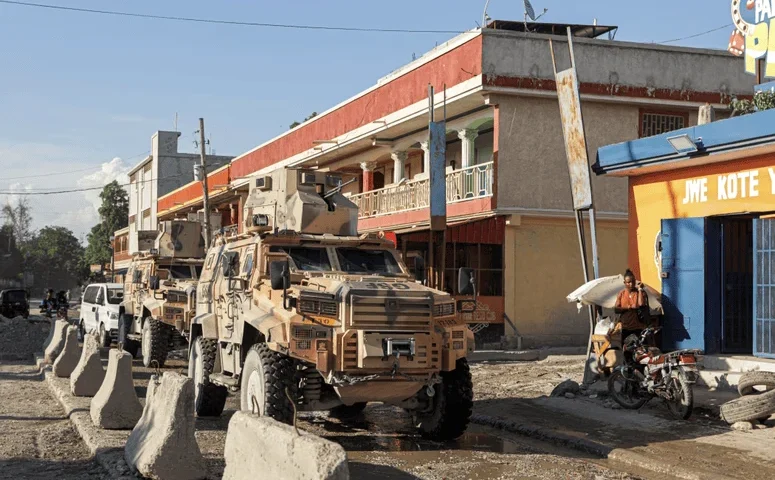
The United States has reportedly offered its full backing to El Salvador as the Central American nation conducts an intensive operation on the ground in Haiti to locate and recover four missing military aviation technicians. According to reports originating from the Faytuks Network and citing detailed coverage by The Wall Street Journal, the American commitment underscores a deepening international security partnership aimed at stabilizing the Caribbean nation amid a persistent wave of severe gang violence.
The unfolding crisis and subsequent rescue mission stem from a violent October 18 ambush in the Haitian capital of Port-au-Prince. During the incident, heavily armed criminal gangs launched a coordinated attack on an armored vehicle transporting members of the UN-backed Gang Suppression Force. In the chaos and aftermath of the assault, the four Salvadoran military aviation technicians assigned to support the multinational security mission went missing, triggering an immediate and urgent international response.
In reaction to the disappearance of its service members, the government of El Salvador rapidly mobilized specialized tactical units. Salvadoran authorities have deployed approximately 100 special forces personnel directly to Haiti to spearhead the search-and-rescue operation on the ground. Furthermore, military and government officials have indicated that additional troops are expected to deploy to the region in the near term to bolster the search efforts, expand the operational footprint, and secure dangerous areas within the capital where criminal syndicates maintain a strong foothold.

The situation has also drawn a stern, uncompromising response from the highest levels of the Salvadoran government. President Nayib Bukele has vowed that El Salvador will dramatically intensify its military and security response if the four missing aviation technicians are not returned safely, alive and unharmed. Salvadoran authorities have repeatedly emphasized their unwavering determination to recover their personnel, operating against the backdrop of a deeply fractured security landscape in Haiti, where heavily armed criminal networks continue to challenge state authority, terrorize local populations, and threaten international peacekeepers.
The reported offer of logistical, intelligence, and operational support from the United States builds seamlessly upon a foundation of prior bilateral cooperation between Washington and San Salvador regarding the security situation in Haiti. Previous collaborative efforts have included strategic asset transfers, such as the provision of specialized helicopters designed to enhance operational mobility and facilitate critical medical evacuations for wounded personnel operating in high-risk zones across Haiti. Such cooperative measures highlight the vital role that international coordination plays in sustaining complex security operations, protecting peacekeepers, and responding to urgent humanitarian and tactical needs amid an ongoing state of institutional collapse and instability.
El Salvador’s active participation in the broader multinational effort in Haiti also underscores the country’s significantly expanding role in regional and international security initiatives. While San Salvador has previously garnered global attention for its aggressive domestic campaigns against domestic gangs, its deployment of military aviation personnel and elite special forces to the Caribbean represents a major step into multilateral peacekeeping and stabilization operations. However, despite these broader strategic implications, Salvadoran and international officials alike maintain that the immediate, non-negotiable priority remains singular: locating and safely recovering the four missing aviation technicians before the situation deteriorates further.

Related News